

10 cents – Straits Settlements
Add to wishlist
Malaysia
Context
Years: 1871–1901
Country: Malaysia
Issuer: Straits Settlements
Ruler: Victoria
Currency:
(1845—1939)
Demonetized: Yes
Total mintage: 28,714,000
Material
References
KM: #
Numista: #11570
Value
Bullion value: $5.55
Obverse
Description:
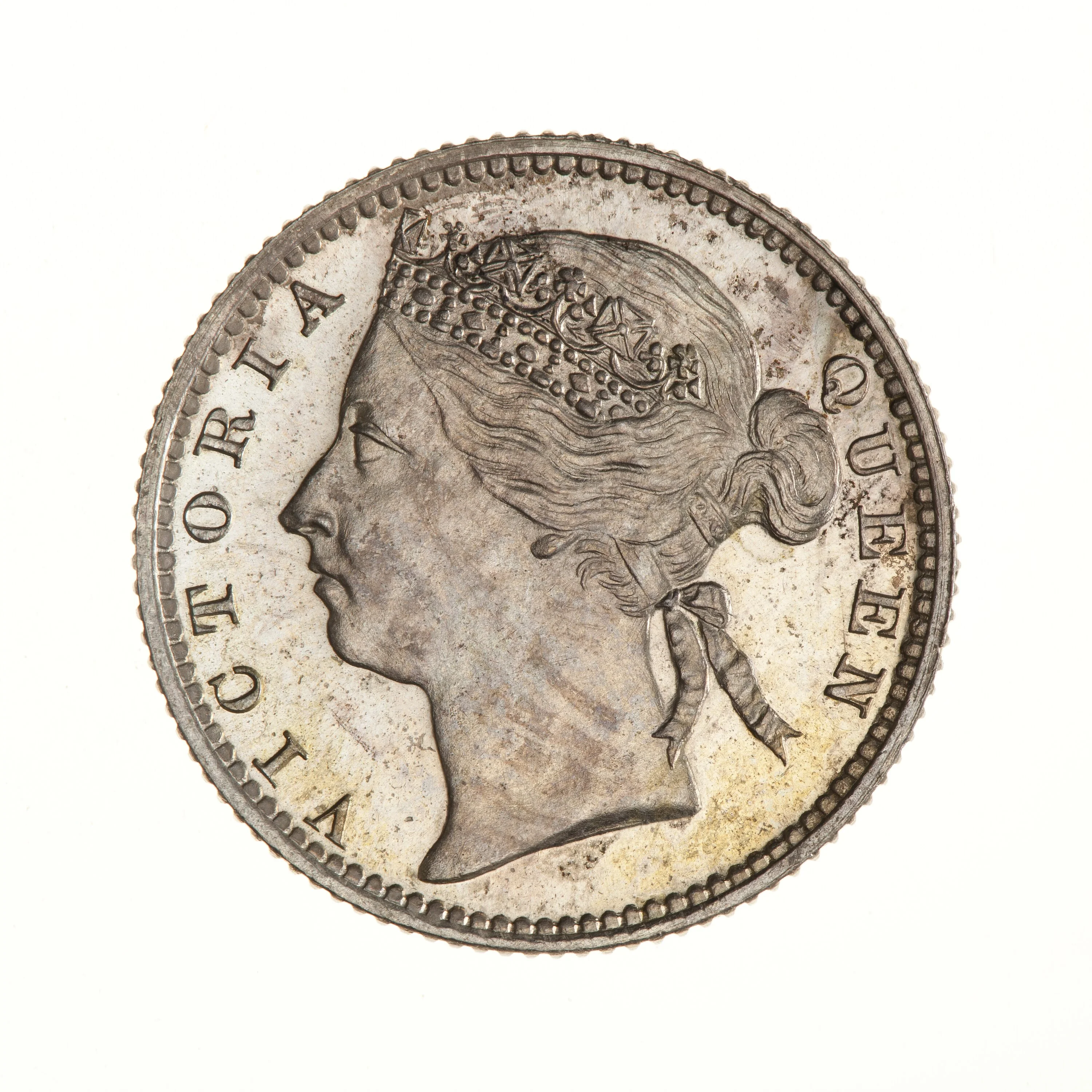
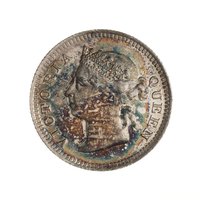
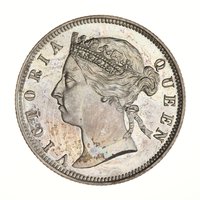
Crowned left-facing bust.
Inscription:
VICTORIA QUEEN
Script: Latin
Engraver: Leonard Charles Wyon
Reverse
Description:
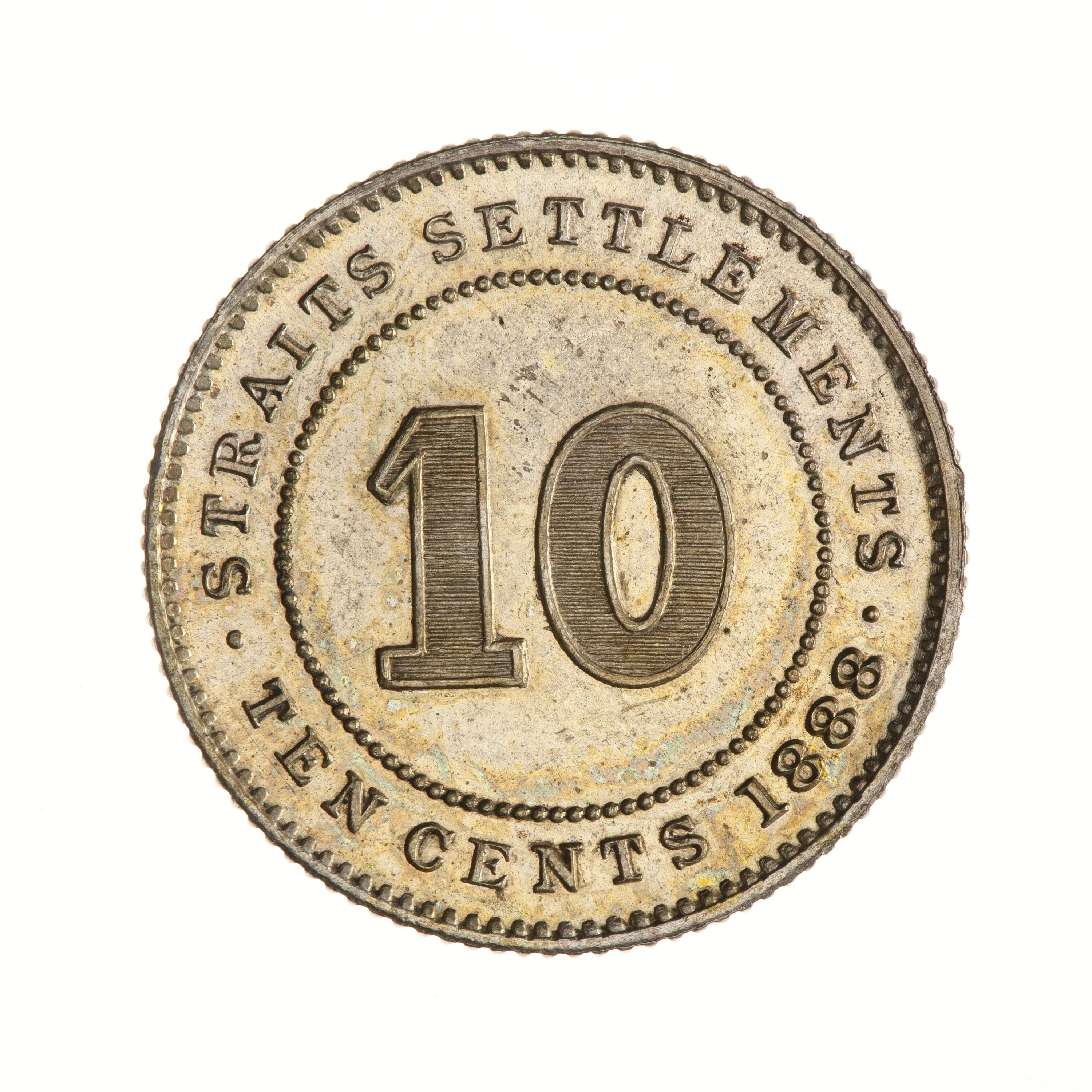
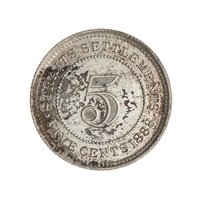
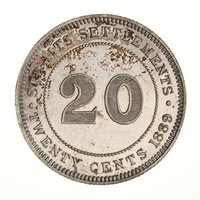
Denomination in beaded circle, date at lower right.
Inscription:
STRAITS SETTLEMENTS
10
·TEN CENTS 1893·
10
·TEN CENTS 1893·
Script: Latin
Edge
Reeded
Mints
| Name | Mark |
|---|---|
| Royal Mint (Tower Hill) | — |
| Heaton and Sons / The Mint Birmingham | H |
Mintings
| Year | Mint Mark | Mintage | Quality | Collection |
|---|---|---|---|---|
| 1871 | — | 248,000 | ||
| 1871 | — | — | Proof | |
| 1872 | H | 230,000 | ||
| 1872 | H | — | Proof | |
| 1873 | — | 210,000 | ||
| 1874 | H | 180,000 | ||
| 1876 | H | 120,000 | ||
| 1877 | — | 160,000 | ||
| 1878 | — | — | Proof | |
| 1878 | — | 470,000 | ||
| 1879 | H | 250,000 | ||
| 1879 | H | — | Proof | |
| 1880 | H | 235,000 | ||
| 1881 | — | 460,000 | ||
| 1881 | — | — | Proof | |
| 1882 | H | 430,000 | ||
| 1882 | H | — | Proof | |
| 1883 | — | 160,000 | ||
| 1883 | H | 610,000 | ||
| 1883 | H | — | Proof | |
| 1884 | — | 1,240,000 | ||
| 1884 | — | — | Proof | |
| 1885 | — | 400,000 | ||
| 1885 | — | — | Proof | |
| 1886 | — | 790,000 | ||
| 1886 | — | — | Proof | |
| 1887 | — | 640,000 | ||
| 1887 | — | — | Proof | |
| 1888 | — | 1,075,000 | ||
| 1888 | — | — | Proof | |
| 1889 | — | 1,500,000 | ||
| 1889 | — | — | Proof | |
| 1890 | H | 730,000 | ||
| 1890 | H | — | Proof | |
| 1891 | — | 1,380,000 | ||
| 1891 | — | — | Proof | |
| 1893 | — | 980,000 | ||
| 1893 | — | — | Proof | |
| 1894 | — | 1,640,000 | ||
| 1895 | — | 2,324,460 | ||
| 1896 | — | 2,255,540 | ||
| 1897 | — | 700,000 | ||
| 1897 | H | 390,000 | ||
| 1898 | — | 1,960,000 | ||
| 1899 | — | 286,000 | ||
| 1900 | — | — | Proof | |
| 1900 | — | 2,960,000 | ||
| 1900 | H | 1,000,000 | ||
| 1900 | H | — | Proof | |
| 1901 | — | 2,700,000 |
Historical background
In 1871, the Straits Settlements (comprising Singapore, Penang, and Malacca) operated under a complex and often chaotic currency system, a direct legacy of its role as a major entrepôt. The official currency was the Indian Rupee, due to the Settlements' administration by the British East India Company until 1858 and subsequently as a Crown Colony under the jurisdiction of British India. However, this official standard clashed with commercial reality. The Spanish Silver Dollar (and its descendant, the Mexican Dollar) remained the dominant medium for large transactions and regional trade, trusted for its consistent silver content and wide acceptance across Southeast Asia and China.
This duality created significant practical problems. Exchange rates between the Rupee and the various silver dollars in circulation fluctuated with the volatile global price of silver, causing uncertainty for merchants and government accounts alike. Furthermore, a multitude of other coins circulated freely, including Dutch guilders, Chinese copper cash, and tokens issued by local merchants, leading to confusion and inefficiency. The colonial government attempted to peg the Rupee to a sterling value, but this only exacerbated the strain as the silver dollars continued to be driven by their bullion value.
Consequently, 1871 fell within a period of intense debate and transition. Pressure from the mercantile community in Singapore, which strongly favoured the dollar as the unit of account, was mounting. The year preceded a critical shift: in 1874, the Straits Settlements would finally break from the Indian currency system, making the silver dollar its sole standard. Thus, the situation in 1871 was one of a strained and failing monetary order, poised on the brink of a major reform that would better align the colony's currency with its commercial geography.
This duality created significant practical problems. Exchange rates between the Rupee and the various silver dollars in circulation fluctuated with the volatile global price of silver, causing uncertainty for merchants and government accounts alike. Furthermore, a multitude of other coins circulated freely, including Dutch guilders, Chinese copper cash, and tokens issued by local merchants, leading to confusion and inefficiency. The colonial government attempted to peg the Rupee to a sterling value, but this only exacerbated the strain as the silver dollars continued to be driven by their bullion value.
Consequently, 1871 fell within a period of intense debate and transition. Pressure from the mercantile community in Singapore, which strongly favoured the dollar as the unit of account, was mounting. The year preceded a critical shift: in 1874, the Straits Settlements would finally break from the Indian currency system, making the silver dollar its sole standard. Thus, the situation in 1871 was one of a strained and failing monetary order, poised on the brink of a major reform that would better align the colony's currency with its commercial geography.
🌱 Common