

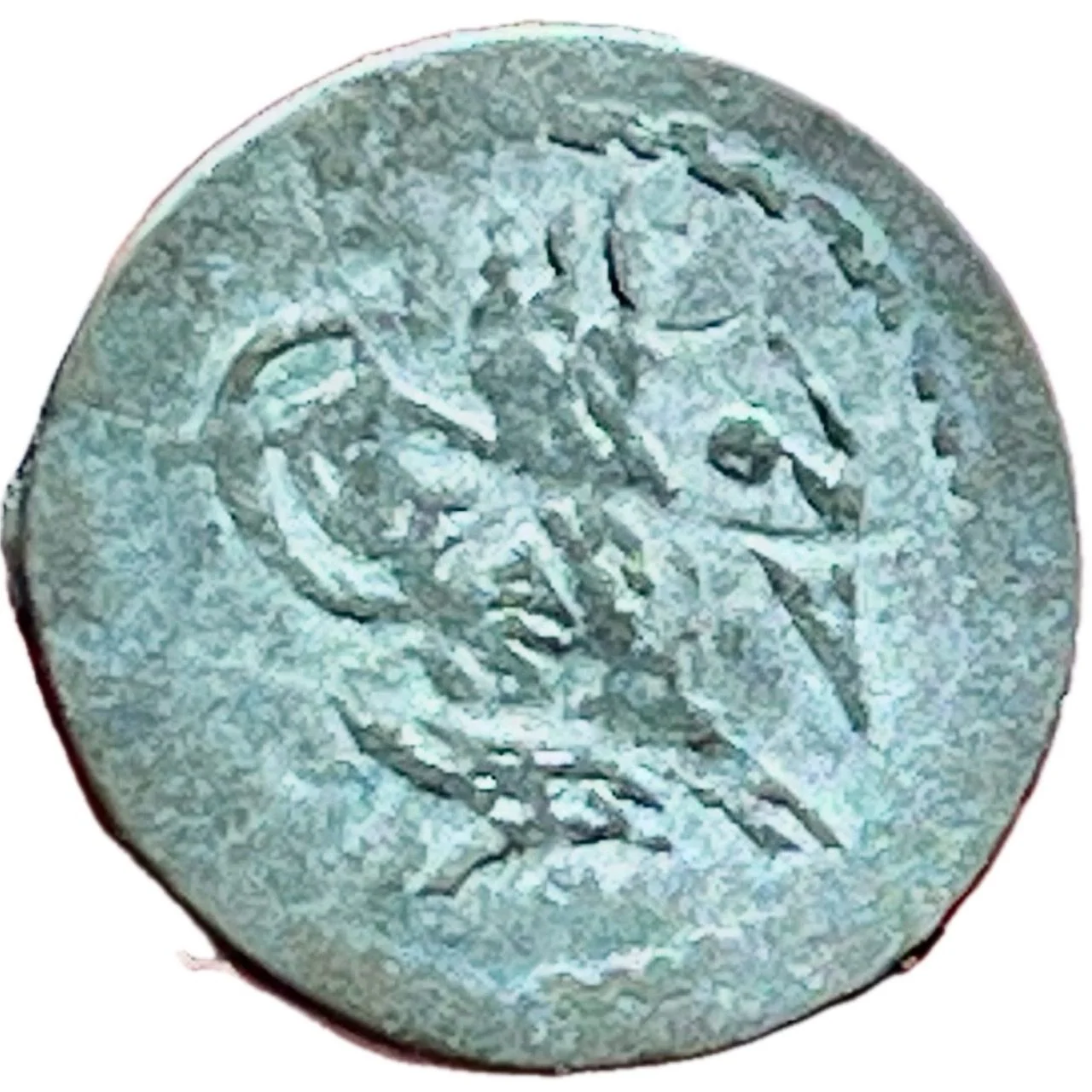
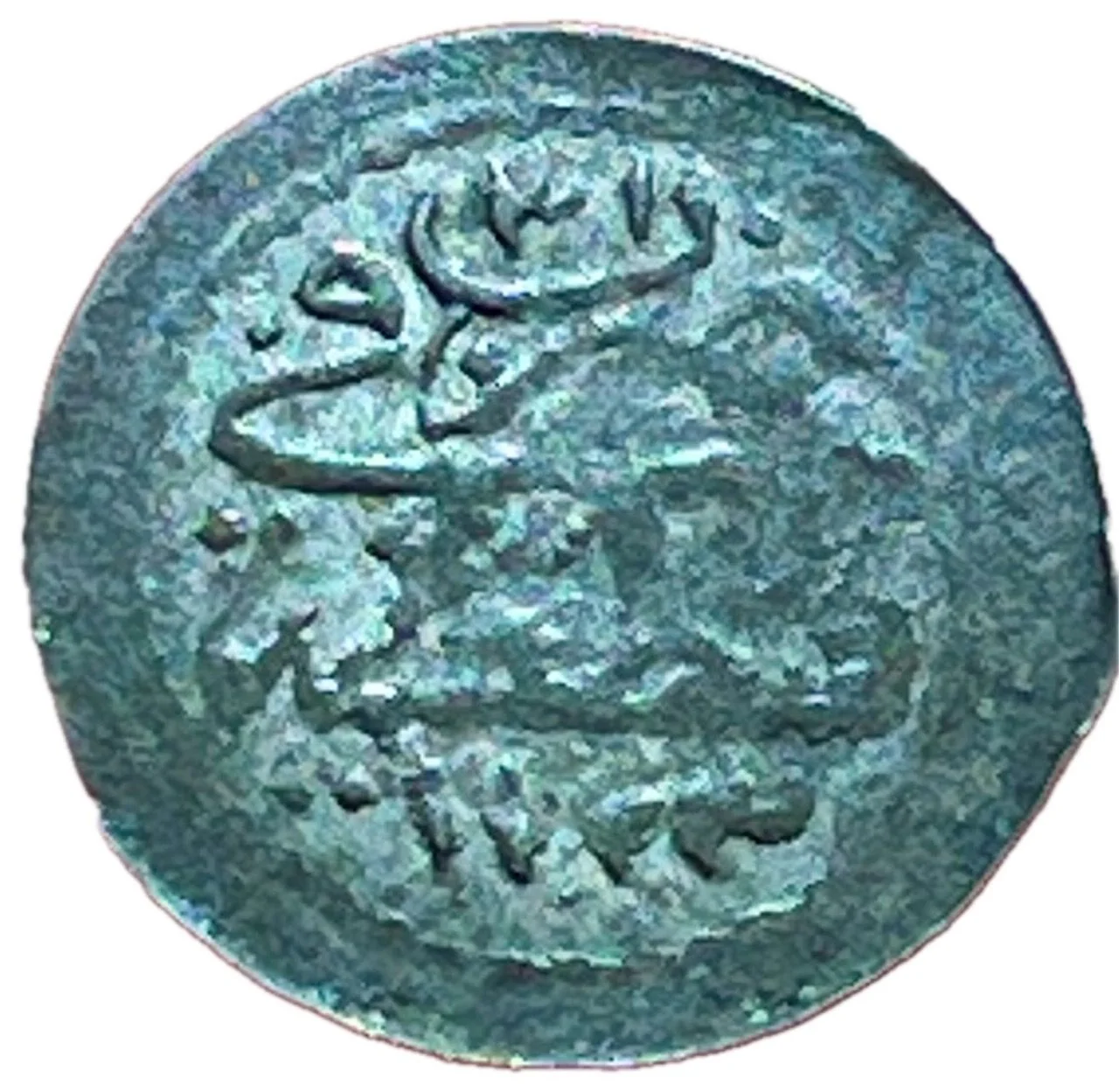
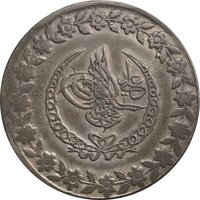
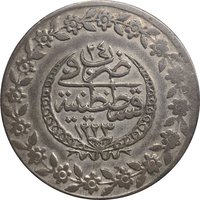
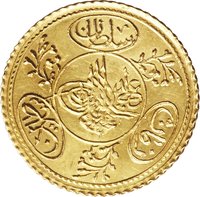
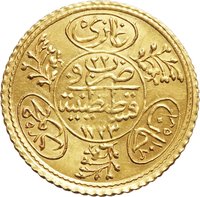
1 Para – Ottoman Empire
Turkey
Context
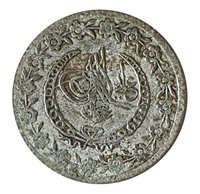
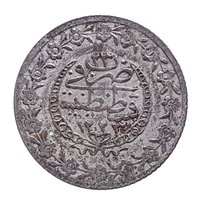
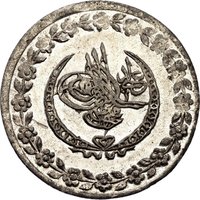
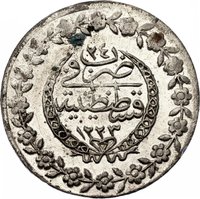
Years: 1829–1832
Islamic (Hijri) Year: 1223
Country: Turkey 
Issuer: Ottoman Empire
Ruler: Mahmud II
Currency:
(1688—1844)
Demonetized: Yes
References
KM: #Click to copy to clipboard586
Numista: #46485
Mints
| Name | Mark |
|---|---|
| Constantinople | — |
Mintings
| Year | Mint Mark | Mintage | Quality | Collection |
|---|---|---|---|---|
| 1829 | — | — | ||
| 1830 | — | — | ||
| 1831 | — | — | ||
| 1832 | — | — |
Historical background
By 1829, the Ottoman Empire’s currency system was in a state of profound crisis, characterized by severe debasement and instability. For decades, the central government in Constantinople, facing relentless fiscal pressures from wars, internal rebellions, and a growing trade deficit with Europe, had repeatedly resorted to clipping the silver content of the primary coin, the kuruş (piastre). This practice, intended to create short-term revenue, led to rampant inflation, a loss of public confidence, and a chaotic multiplicity of coins in circulation, where older, purer coins were hoarded while newer, debased coins were heavily discounted.
The situation was exacerbated by the near-complete loss of monetary control in the provinces. Local governors and powerful figures often struck their own crude and irregular coins, while a multitude of foreign currencies—including Austrian thalers, British sovereigns, French francs, and Spanish dollars—circulated freely, especially in port cities and for large transactions. This effectively created a dual system: foreign gold and silver coins served as a stable store of value and medium for international trade, while the official Ottoman coinage, increasingly unreliable, was used for daily small-scale transactions and tax payments, often at fluctuating exchange rates.
The year 1829 itself was a pivotal moment within this ongoing deterioration. It marked the end of the disastrous Russo-Turkish War (1828-29), concluded with the Treaty of Adrianople, which imposed a massive indemnity on the exhausted Ottoman treasury. This financial blow intensified the urgency for monetary reform. Consequently, 1829 is often seen as the immediate prelude to Sultan Mahmud II’s ambitious but only partially successful monetary reforms of the early 1830s, which aimed to introduce a new, standardized silver kuruş and eventually the gold lira, in a belated attempt to restore confidence and central control over the empire’s fractured economy.
The situation was exacerbated by the near-complete loss of monetary control in the provinces. Local governors and powerful figures often struck their own crude and irregular coins, while a multitude of foreign currencies—including Austrian thalers, British sovereigns, French francs, and Spanish dollars—circulated freely, especially in port cities and for large transactions. This effectively created a dual system: foreign gold and silver coins served as a stable store of value and medium for international trade, while the official Ottoman coinage, increasingly unreliable, was used for daily small-scale transactions and tax payments, often at fluctuating exchange rates.
The year 1829 itself was a pivotal moment within this ongoing deterioration. It marked the end of the disastrous Russo-Turkish War (1828-29), concluded with the Treaty of Adrianople, which imposed a massive indemnity on the exhausted Ottoman treasury. This financial blow intensified the urgency for monetary reform. Consequently, 1829 is often seen as the immediate prelude to Sultan Mahmud II’s ambitious but only partially successful monetary reforms of the early 1830s, which aimed to introduce a new, standardized silver kuruş and eventually the gold lira, in a belated attempt to restore confidence and central control over the empire’s fractured economy.
💎 Very Rare