

10 Para – Ottoman Empire
Turkey
Context
Years: 1832–1839
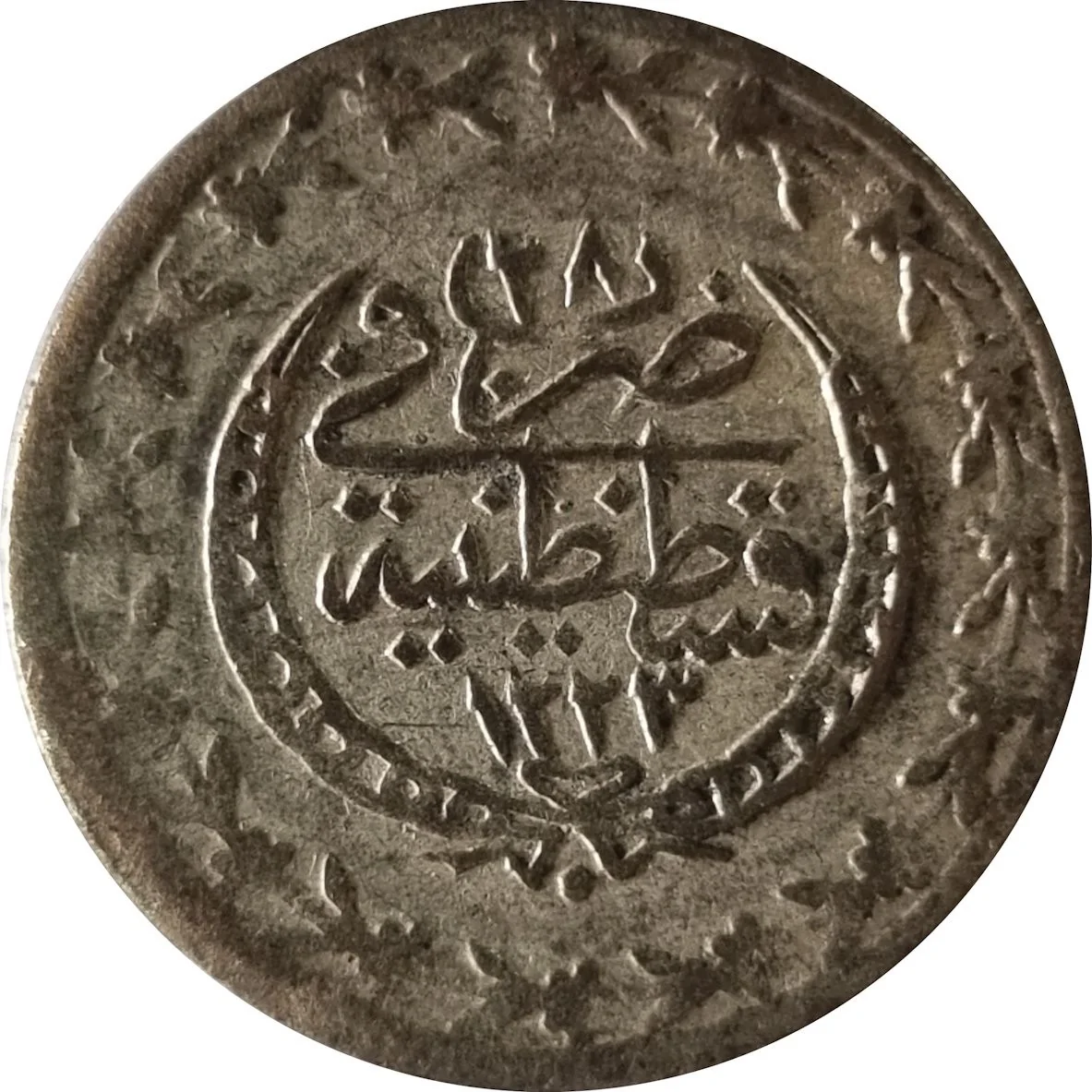
Islamic (Hijri) Year: 1223
Country: Turkey 
Issuer: Ottoman Empire
Ruler: Mahmud II
Currency:
(1688—1844)
Demonetized: Yes
Material
References
KM: #Click to copy to clipboard595
Numista: #41366
Obverse
Description:
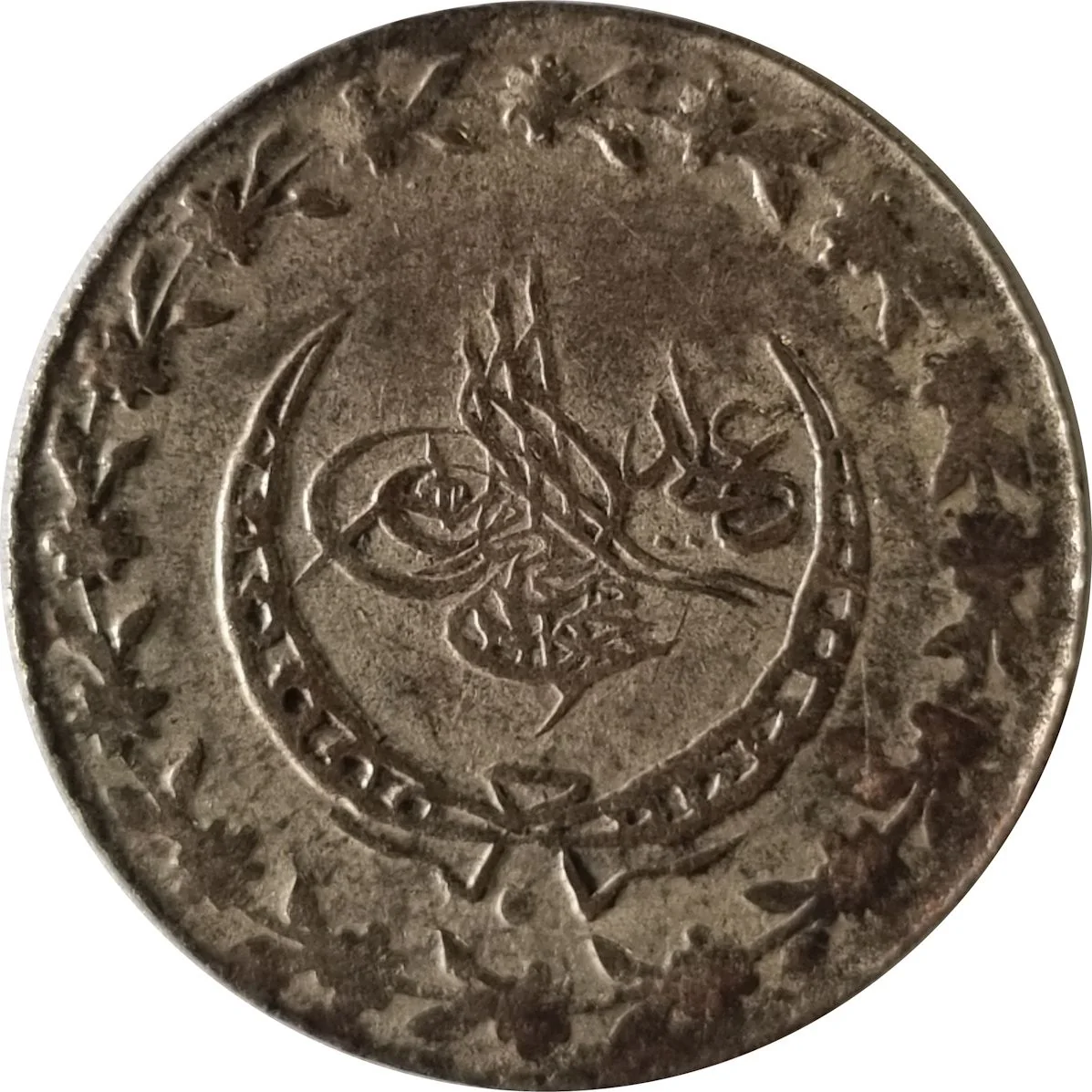
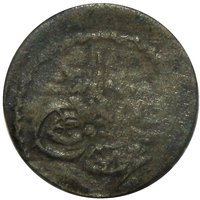
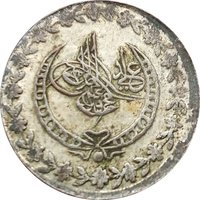
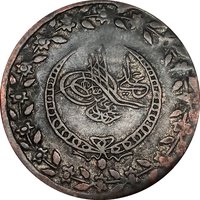
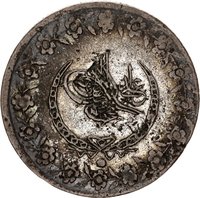
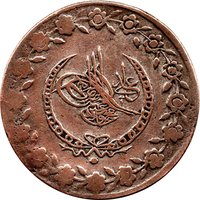
Toughra in open chain wreath, encircled by floral wreath.
Inscription:
[Tugra] Mahmud Han bin Abdulhamid, al-muzaffar daima - Adli
Translation:
Mahmud Khan son of Abdulhamid, the ever-victorious - Adli
Script: Arabic
Language: Ottoman Turkish
Reverse
Edge
Reeded
Mints
| Name | Mark |
|---|---|
| Constantinople | — |
Mintings
| Year | Mint Mark | Mintage | Quality | Collection |
|---|---|---|---|---|
| 1832 | — | — | ||
| 1833 | — | — | ||
| 1834 | — | — | ||
| 1835 | — | — | ||
| 1836 | — | — | ||
| 1837 | — | — | ||
| 1838 | — | — | ||
| 1839 | — | — |
Historical background
In 1832, the Ottoman Empire's currency system was in a state of profound crisis, characterized by severe depreciation and instability. The primary unit, the kuruş (piastre), had been drastically debased over decades to finance military defeats and administrative costs, leading to rampant inflation. By this year, the silver content of the kuruş had fallen to perhaps one-fifth of its 18th-century standard, and it circulated alongside a bewildering array of foreign coins—especially the Austrian thaler and Spanish/Mexican real—which were preferred for their reliable silver content. This created a dual system where domestic currency was used for small transactions while foreign coins dominated large trade, undermining state sovereignty.
The root causes were structural and political. The empire faced immense financial strain from the Greek War of Independence (1821-1832), which was concluding disastrously with international recognition of Greek sovereignty, and from the ongoing war with Muhammad Ali Pasha of Egypt, whose forces had just defeated the Ottoman army at Konya in December 1832. To meet these expenses, the state resorted to short-term measures like clipping coins, issuing heavily debased zolota and para, and borrowing from Galata bankers at exorbitant rates. The absence of a central bank or standardized minting further exacerbated the chaos, with various provincial mints producing coins of inconsistent weight and purity.
Consequently, the monetary disorder of 1832 severely disrupted the Ottoman economy, eroding public trust in government-issued currency and complicating tax collection, as the real value of revenues plummeted. This crisis was a direct catalyst for the sweeping reforms of the Tanzimat period, which would begin in 1839. The desperate financial situation underscored the necessity for modernizing the entire fiscal and monetary system, setting the stage for later 19th-century attempts to introduce a stable gold-based lira and establish a state bank to restore confidence and economic control.
The root causes were structural and political. The empire faced immense financial strain from the Greek War of Independence (1821-1832), which was concluding disastrously with international recognition of Greek sovereignty, and from the ongoing war with Muhammad Ali Pasha of Egypt, whose forces had just defeated the Ottoman army at Konya in December 1832. To meet these expenses, the state resorted to short-term measures like clipping coins, issuing heavily debased zolota and para, and borrowing from Galata bankers at exorbitant rates. The absence of a central bank or standardized minting further exacerbated the chaos, with various provincial mints producing coins of inconsistent weight and purity.
Consequently, the monetary disorder of 1832 severely disrupted the Ottoman economy, eroding public trust in government-issued currency and complicating tax collection, as the real value of revenues plummeted. This crisis was a direct catalyst for the sweeping reforms of the Tanzimat period, which would begin in 1839. The desperate financial situation underscored the necessity for modernizing the entire fiscal and monetary system, setting the stage for later 19th-century attempts to introduce a stable gold-based lira and establish a state bank to restore confidence and economic control.
🌟 Uncommon