

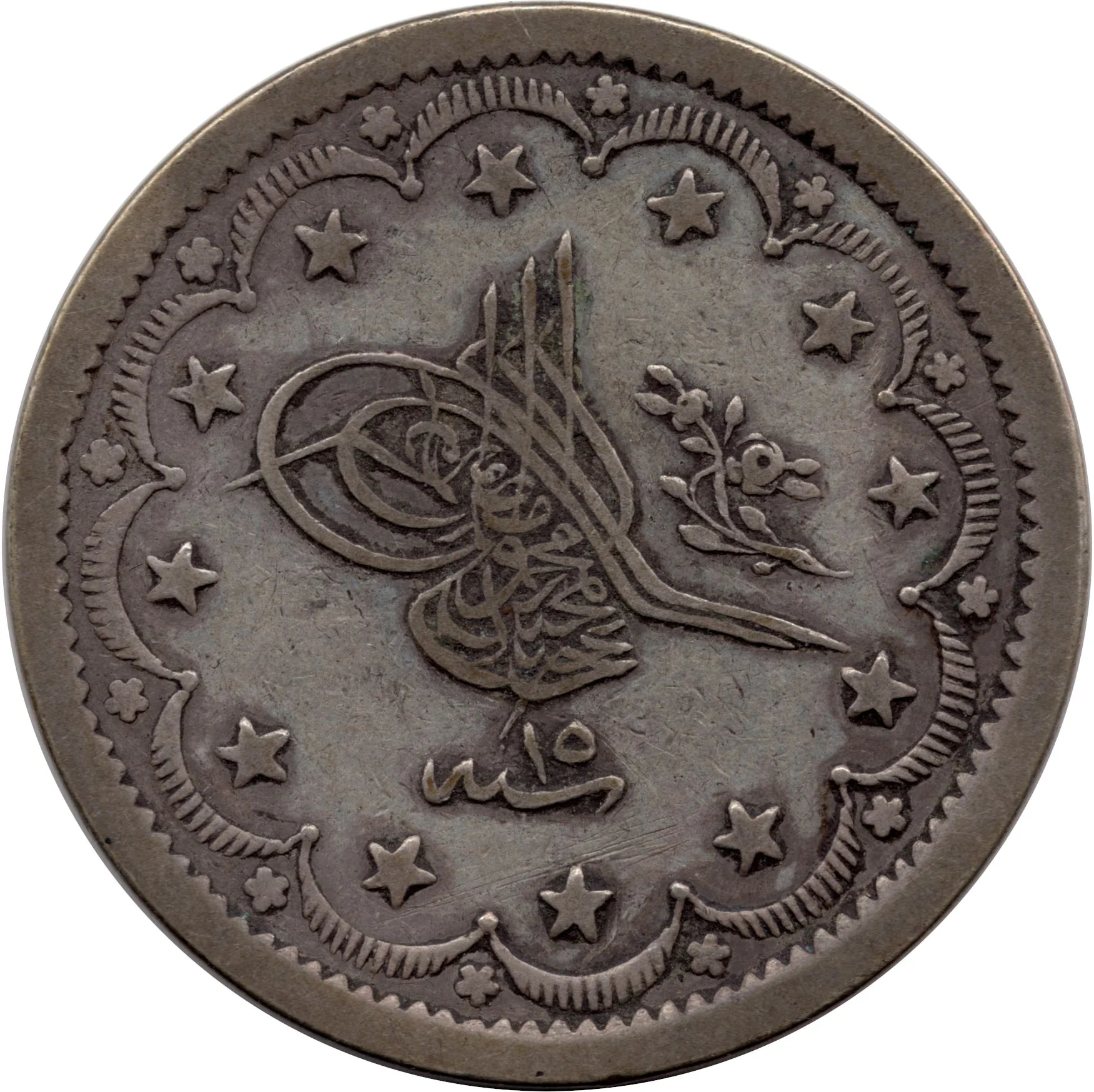
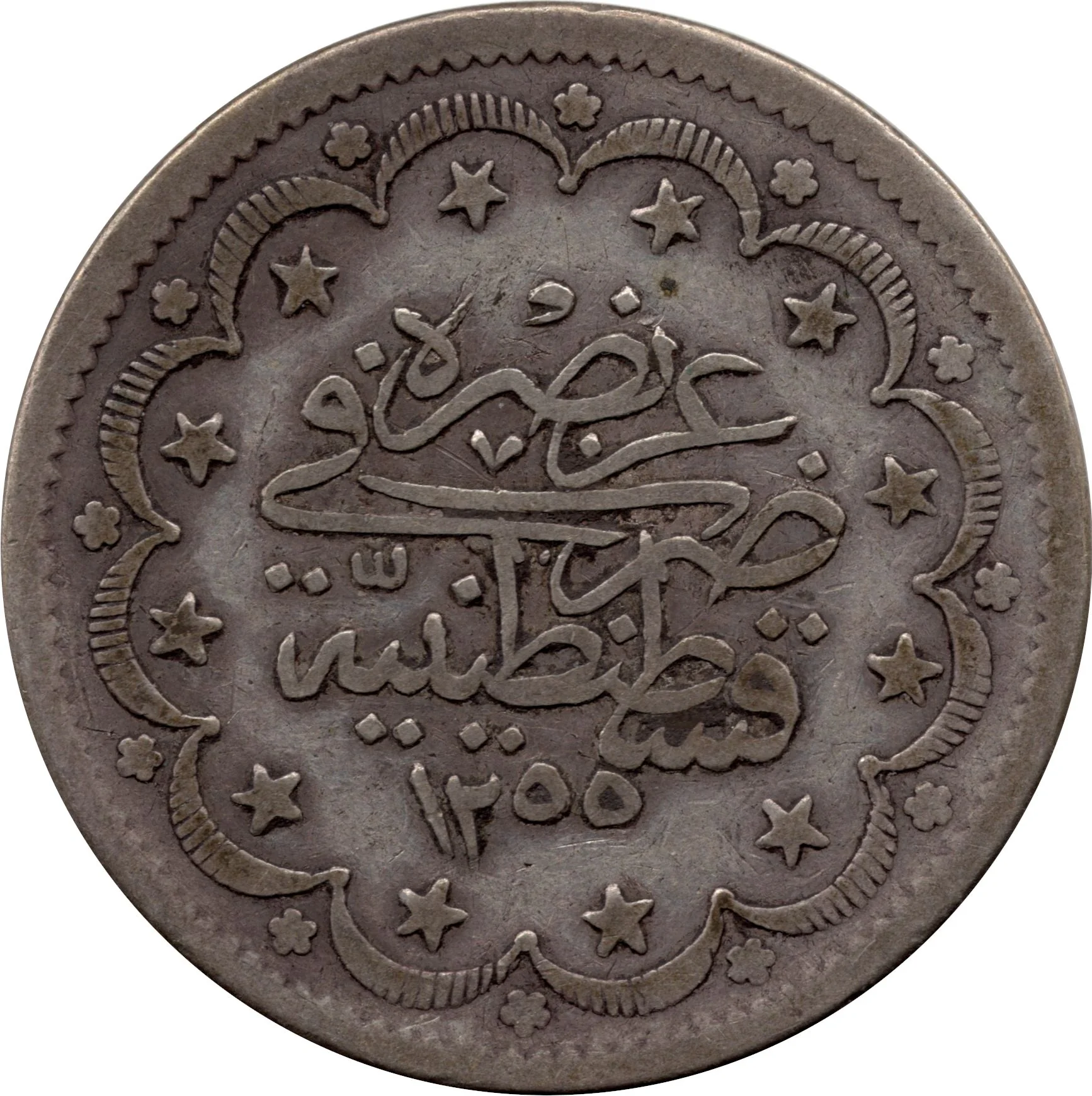
20 kurush – Ottoman Empire
Add to wishlist
Turkey
Context
Years: 1846–1861
Islamic (Hijri) Year:: 1255
Country: Turkey
Issuer: Ottoman Empire
Ruler: Abdulmejid I
Currency:
(1844—1923)
Demonetized: Yes
Total mintage: 2,828,000
Material
References
KM: #
Numista: #30907
Value
Bullion value: $50.71
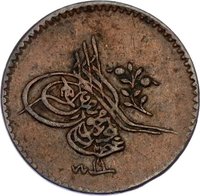
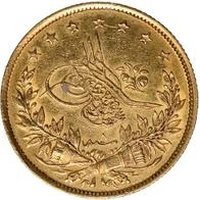
Obverse
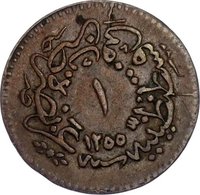
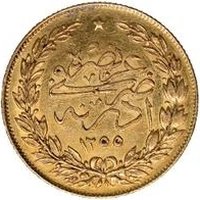
Reverse
Edge
Reeded
Mints
| Name | Mark |
|---|---|
| Constantinople | — |
Mintings
| Year | Mint Mark | Mintage | Quality | Collection |
|---|---|---|---|---|
| 1846 | — | — | ||
| 1853 | — | — | ||
| 1854 | — | 320,000 | ||
| 1855 | — | 410,000 | ||
| 1856 | — | 340,000 | ||
| 1857 | — | 201,000 | ||
| 1858 | — | 103,000 | ||
| 1859 | — | 513,000 | ||
| 1860 | — | 624,000 | ||
| 1861 | — | 317,000 |
Historical background
In 1846, the Ottoman Empire's currency system was in a state of profound disarray, characterized by a chaotic multiplicity of coins and severe depreciation. The primary unit, the kuruş (piastre), was a silver coin, but its value had been drastically eroded by decades of debasement, where the state reduced the silver content to finance budget deficits, particularly during the costly wars of the early 19th century. Alongside this, various foreign gold coins, especially the British sovereign and the French napoléon, circulated as a trusted store of value, while a plethora of older Ottoman and regional coins of uncertain worth remained in use. This created a complex and inefficient monetary environment where exchange rates fluctuated wildly, hampering both domestic trade and international commerce.
The root of the crisis was fundamentally fiscal. The Ottoman state, facing immense military and administrative expenses without a modernized tax system, relied heavily on seigniorage—the profit from minting coins. Each debasement provided short-term liquidity but further destroyed confidence in the currency, leading to inflation and Gresham’s Law in action, where "bad money drives out good." People hoarded the older, higher-silver content coins and foreign gold, conducting daily business with the newest, most debased issues. By 1846, the gap between the depreciated kuruş and the stable gold lira (a unit of account) had widened dramatically, causing price instability and economic uncertainty.
Recognizing the crisis, the Ottoman government under Sultan Abdülmecid I was actively seeking solutions in this period. The year 1846 fell within a crucial decade of reform known as the Tanzimat, and monetary stability was seen as essential for modernization. In 1844, a major but only partially successful reform had attempted to establish a bimetallic standard based on a new gold lira and a silver kuruş, but by 1846, the fixed ratio between gold and silver was already under pressure due to global market shifts. Thus, the situation in 1846 was one of transition—marked by the recent introduction of new coinage but still grappling with the deep-seated legacy of depreciation and the urgent need for stronger central control over the money supply to restore public trust.
The root of the crisis was fundamentally fiscal. The Ottoman state, facing immense military and administrative expenses without a modernized tax system, relied heavily on seigniorage—the profit from minting coins. Each debasement provided short-term liquidity but further destroyed confidence in the currency, leading to inflation and Gresham’s Law in action, where "bad money drives out good." People hoarded the older, higher-silver content coins and foreign gold, conducting daily business with the newest, most debased issues. By 1846, the gap between the depreciated kuruş and the stable gold lira (a unit of account) had widened dramatically, causing price instability and economic uncertainty.
Recognizing the crisis, the Ottoman government under Sultan Abdülmecid I was actively seeking solutions in this period. The year 1846 fell within a crucial decade of reform known as the Tanzimat, and monetary stability was seen as essential for modernization. In 1844, a major but only partially successful reform had attempted to establish a bimetallic standard based on a new gold lira and a silver kuruş, but by 1846, the fixed ratio between gold and silver was already under pressure due to global market shifts. Thus, the situation in 1846 was one of transition—marked by the recent introduction of new coinage but still grappling with the deep-seated legacy of depreciation and the urgent need for stronger central control over the money supply to restore public trust.
⭐ Somewhat Rare