

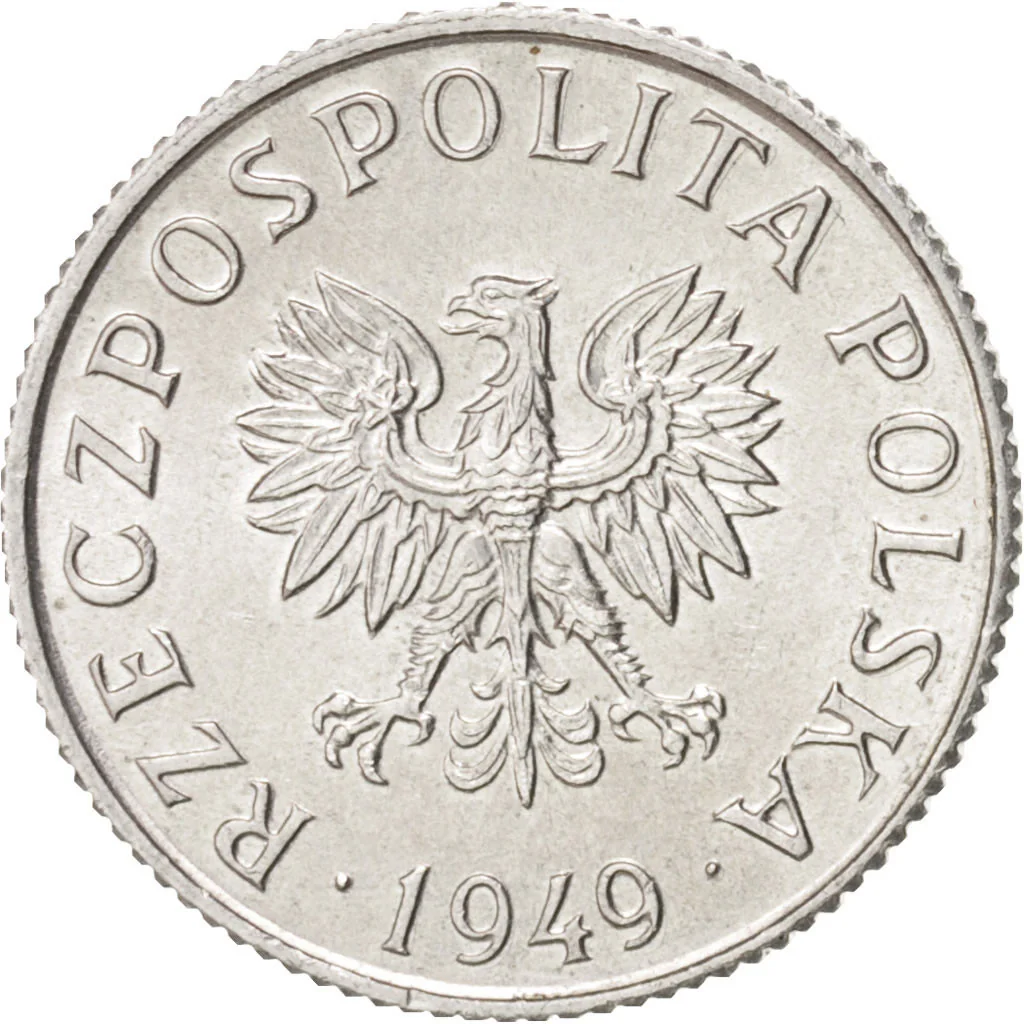
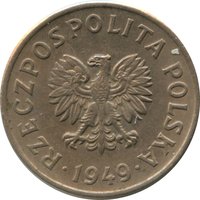
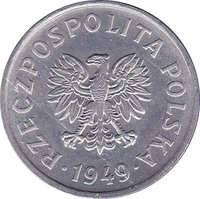
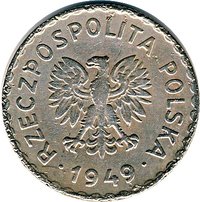
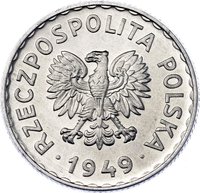
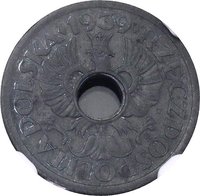
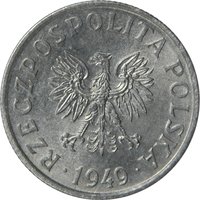
Obverse
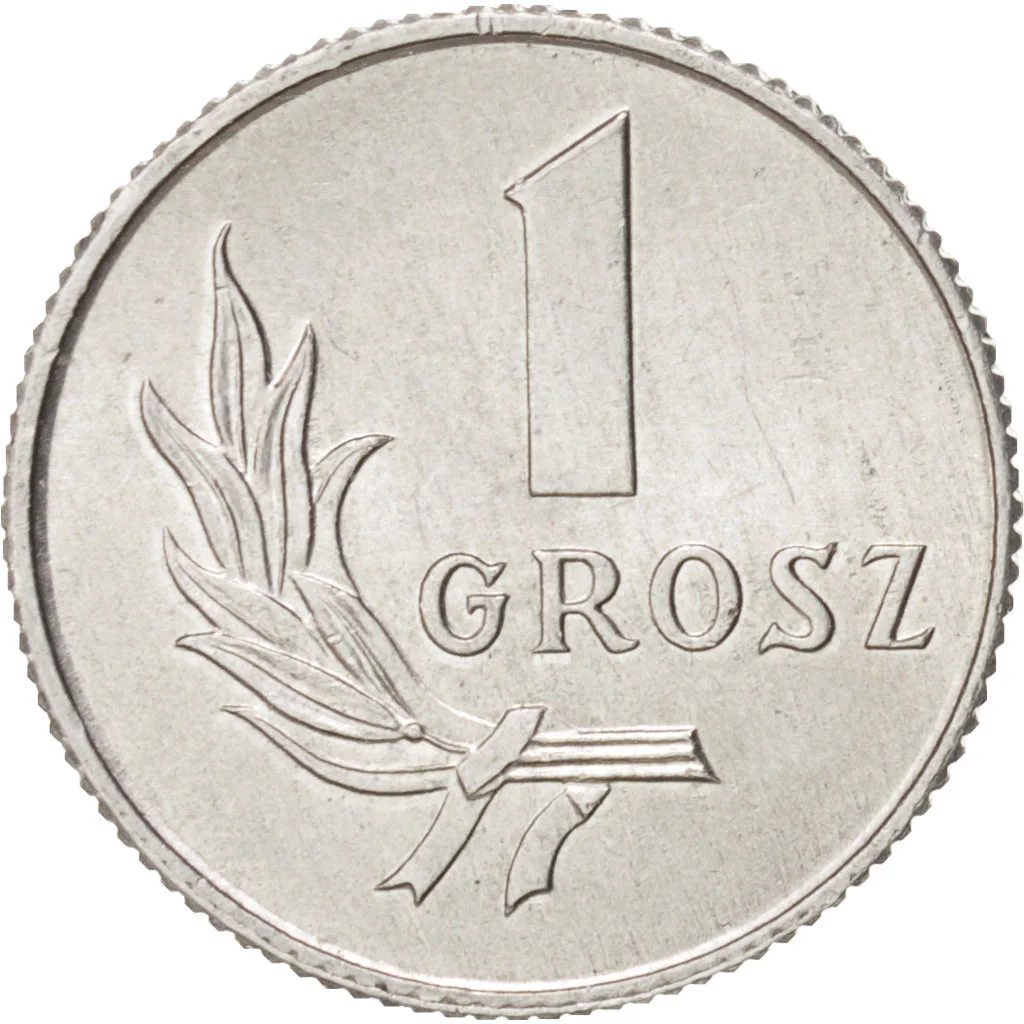
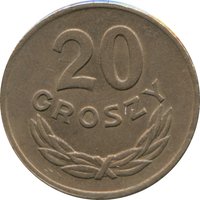
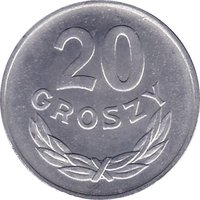
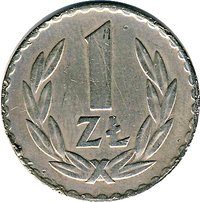
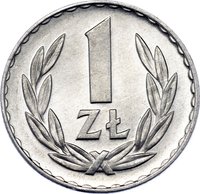
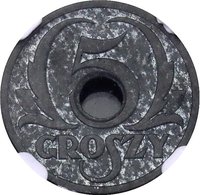
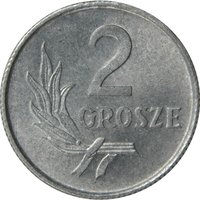
Reverse
Edge
Reeded
Mints
| Name | Mark |
|---|---|
| Hungarian mint | — |
| Mint of Poland | — |
Mintings
| Year | Mint Mark | Mintage | Quality | Collection |
|---|---|---|---|---|
| 1949 | 1949-1953 | 400,116,000 | ||
| 1949 | — | — |
Historical background
In 1949, Poland's currency situation was defined by the consolidation of communist power and the implementation of a Stalinist economic model. Following the devastation of World War II, the country operated with the post-war złoty (PLZ), introduced in 1945, but the economy was plagued by hyperinflation, a vast black market, and multiple circulating currencies. The government's primary goal was to establish full monetary control and fund a sweeping, state-led industrialization drive, which required severing ties with Western economic systems and aligning firmly with the Soviet bloc.
This culminated in the Currency Reform of October 28-30, 1950, which was planned in 1949 and executed the following year. The reform was not a simple redenomination but a confiscatory measure designed to wipe out private capital and savings. Old złoty notes were exchanged for new ones at drastically discriminatory rates: small amounts were swapped at 100:1, but larger holdings, primarily affecting entrepreneurs, farmers, and private savers, were exchanged at rates as severe as 100:3 or even rendered worthless. Simultaneously, the złoty was delinked from the US dollar and officially pegged to the Soviet ruble.
The 1949-50 reforms effectively completed the "monetary revolution," destroying the remaining wealth of the pre-war middle classes and private sector. It solidified a state monopoly over finance, eliminated the black market for currency, and created a stable, but non-convertible, currency fully controlled by the National Bank of Poland. This provided the regime with the controlled financial environment needed for its central planning, but at the cost of impoverishing many citizens and isolating Poland from the international monetary system for decades to come.
This culminated in the Currency Reform of October 28-30, 1950, which was planned in 1949 and executed the following year. The reform was not a simple redenomination but a confiscatory measure designed to wipe out private capital and savings. Old złoty notes were exchanged for new ones at drastically discriminatory rates: small amounts were swapped at 100:1, but larger holdings, primarily affecting entrepreneurs, farmers, and private savers, were exchanged at rates as severe as 100:3 or even rendered worthless. Simultaneously, the złoty was delinked from the US dollar and officially pegged to the Soviet ruble.
The 1949-50 reforms effectively completed the "monetary revolution," destroying the remaining wealth of the pre-war middle classes and private sector. It solidified a state monopoly over finance, eliminated the black market for currency, and created a stable, but non-convertible, currency fully controlled by the National Bank of Poland. This provided the regime with the controlled financial environment needed for its central planning, but at the cost of impoverishing many citizens and isolating Poland from the international monetary system for decades to come.
Series: 1949 Poland circulation coins
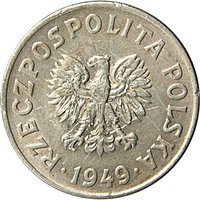
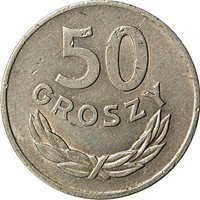
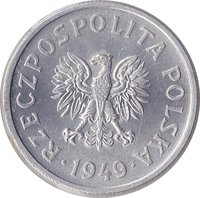
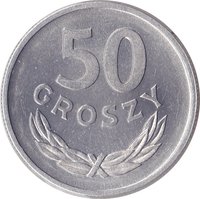
🌱 Very Common