

10 Centavos – Honduras
Honduras
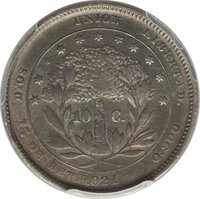
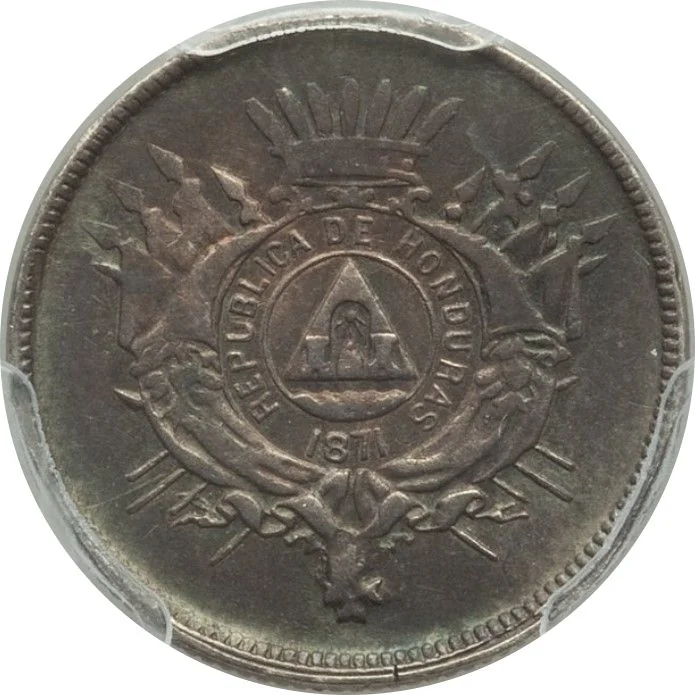
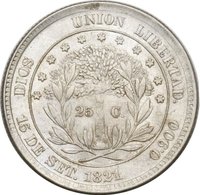
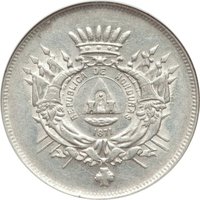
Obverse
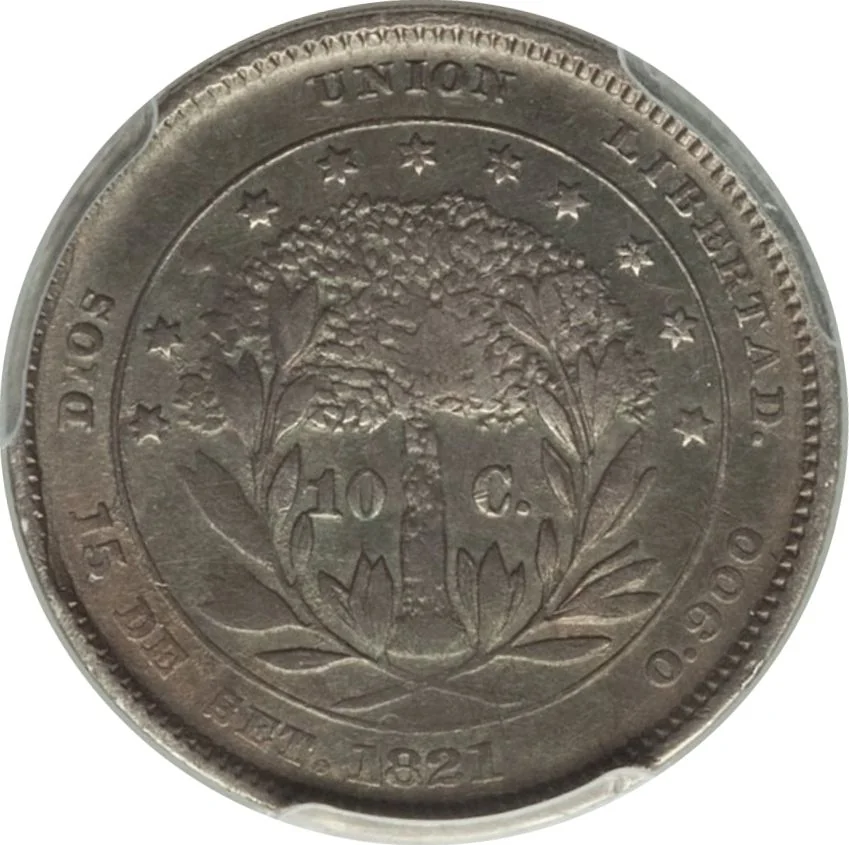
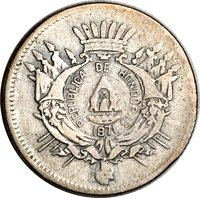
Reverse
Edge
Reeded
Categories
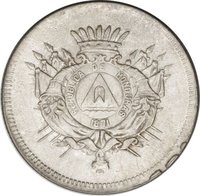
| Symbols> Coat of Arms |
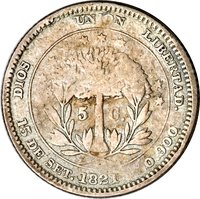
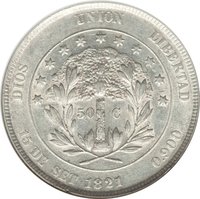
| Plant> Tree |
Mints
| Name | Mark |
|---|---|
| Casa Nacional de la Moneda | — |
Mintings
| Year | Mint Mark | Mintage | Quality | Collection |
|---|---|---|---|---|
| 1871 | 1879-1880 | 16,839 |
Historical background
In 1871, Honduras found itself in a complex monetary situation typical of a newly independent Central American republic. The country lacked a unified national currency and operated within a fragmented system. The primary circulating medium was the silver Peso, often cut into pieces for smaller transactions (giving rise to the term "piece of eight"). However, this coinage was predominantly foreign in origin, with Spanish, Mexican, Peruvian, and other Latin American coins circulating alongside a limited and inconsistent supply of locally minted coins from the Tegucigalpa mint.
This heterogeneity created significant problems for commerce and governance. The varying weight and purity of the different silver coins led to confusion and required constant assay, while widespread clipping and wear further eroded their value. Crucially, the government struggled with chronic fiscal deficits and lacked the institutional strength to impose a standardized monetary system. Attempts to contract with foreign companies for coinage had been made but were often mired in political instability and allegations of unfavorable terms, leaving the currency landscape disordered.
Consequently, the economy relied heavily on barter in rural areas, and foreign coins—particularly the British pound and the U.S. dollar—were often preferred for larger commercial transactions, especially in the burgeoning banana and mining sectors influenced by foreign investment. The year 1871 fell within a period of political turmoil, including the ongoing rivalry between Tegucigalpa and Comayagua, which further diverted attention from monetary reform. Thus, the currency situation remained an unresolved challenge, reflecting the broader struggles of state-building and economic integration in 19th-century Honduras.
This heterogeneity created significant problems for commerce and governance. The varying weight and purity of the different silver coins led to confusion and required constant assay, while widespread clipping and wear further eroded their value. Crucially, the government struggled with chronic fiscal deficits and lacked the institutional strength to impose a standardized monetary system. Attempts to contract with foreign companies for coinage had been made but were often mired in political instability and allegations of unfavorable terms, leaving the currency landscape disordered.
Consequently, the economy relied heavily on barter in rural areas, and foreign coins—particularly the British pound and the U.S. dollar—were often preferred for larger commercial transactions, especially in the burgeoning banana and mining sectors influenced by foreign investment. The year 1871 fell within a period of political turmoil, including the ongoing rivalry between Tegucigalpa and Comayagua, which further diverted attention from monetary reform. Thus, the currency situation remained an unresolved challenge, reflecting the broader struggles of state-building and economic integration in 19th-century Honduras.
💎 Extremely Rare