

25 fils – Bahrain
Add to wishlist
Bahrain
Context
Years: 1965–1976
Islamic (Hijri) Year:: 1385
Issuer: Bahrain
Ruler: Isa bin Salman Al Khalifa
Currency:
(since 1965)
Total mintage: 67,512,000
Material
References
KM: #
Numista: #979
Value
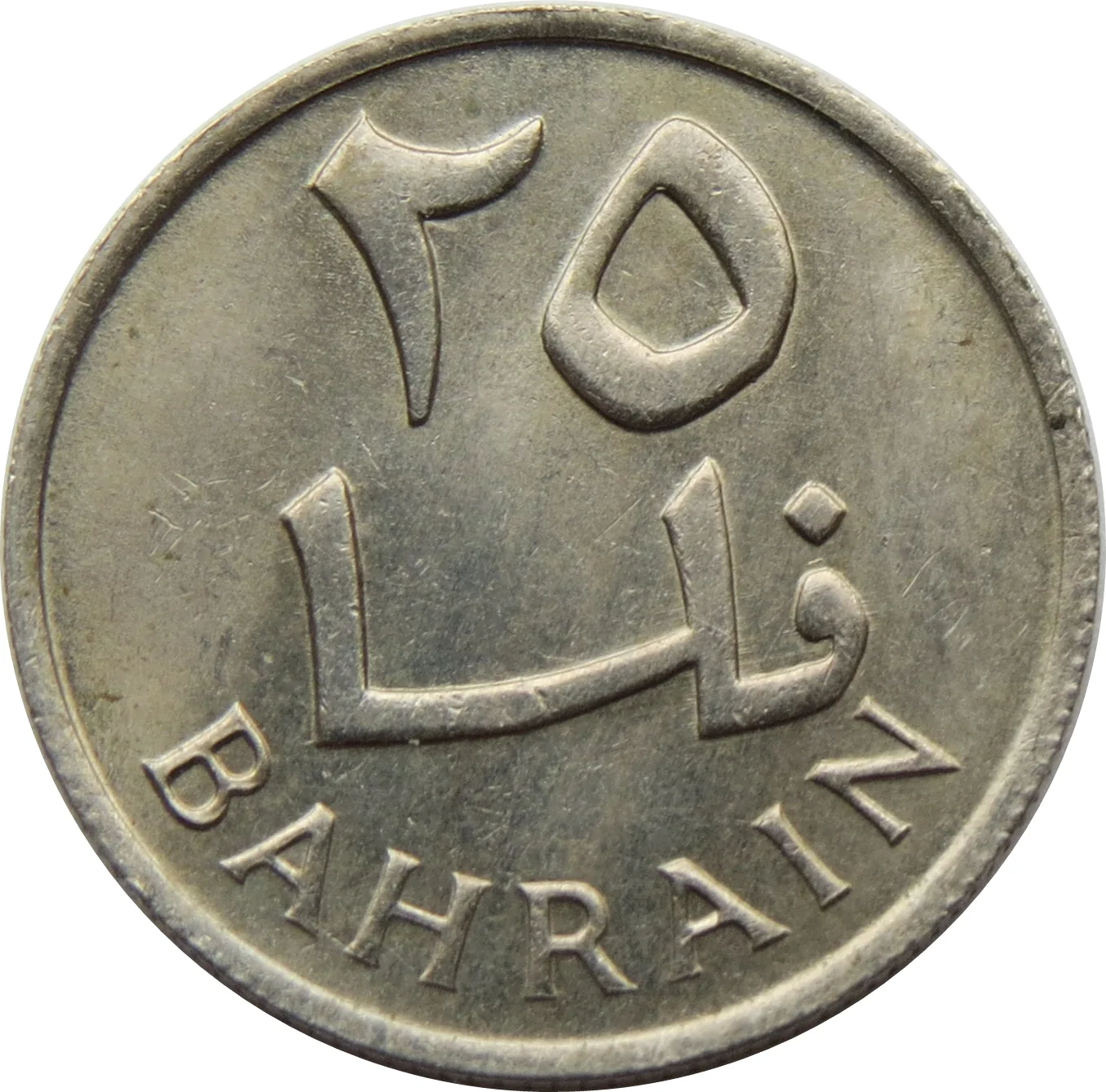
Exchange value: 0.025 BHD
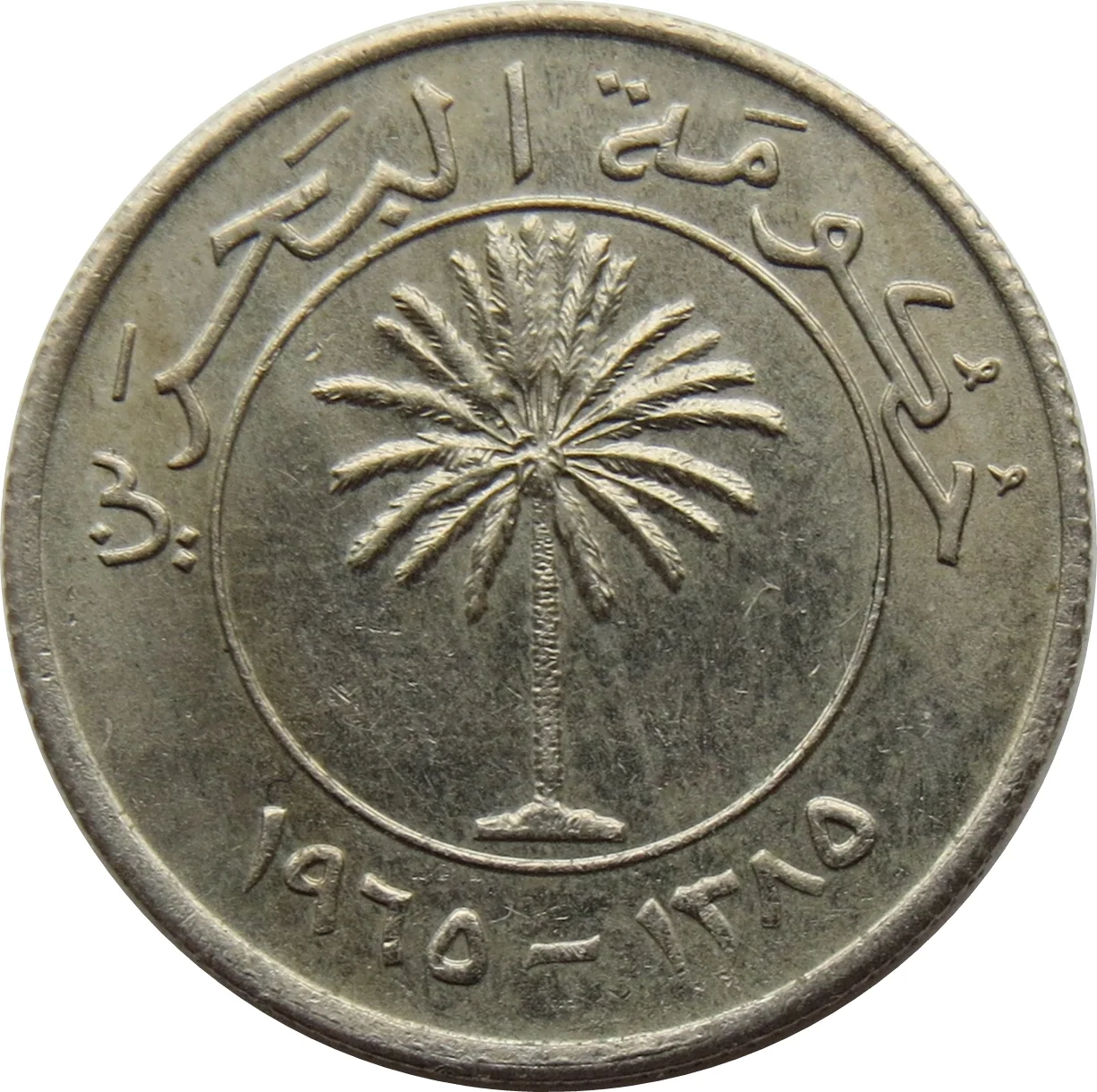
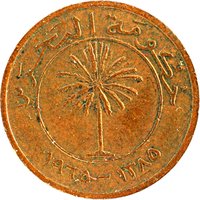
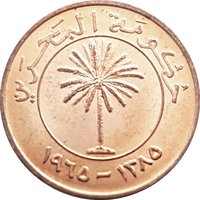
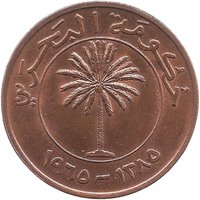
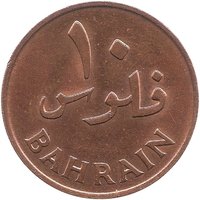
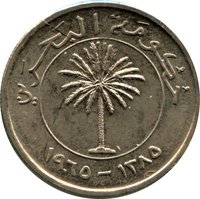
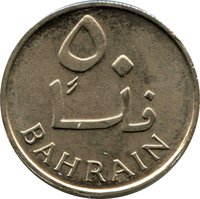
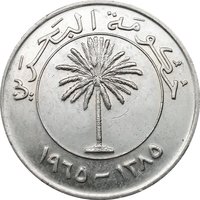
Obverse
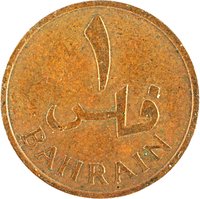
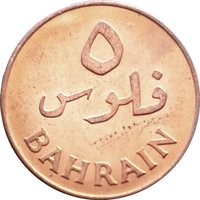
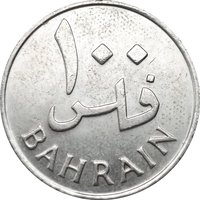
Reverse
Edge
Reeded
Mints
| Name | Mark |
|---|---|
| Royal Mint (Tower Hill) | — |
| Royal Mint | — |
Mintings
| Year | Mint Mark | Mintage | Quality | Collection |
|---|---|---|---|---|
| 1965 | ١٣٨٥ - ١٩٦٥; Minted in 1965-1976 | 11,250,000 | ||
| 1965 | ١٣٨٥ - ١٩٦٥; Minted in 1965-1976 | 11,250,000 | ||
| 1965 | — | 11,250,000 | ||
| 1965 | ١٣٨٥ - ١٩٦٥; Minted in 1965-1976 | 11,250,000 | ||
| 1965 | ١٣٨٥ - ١٩٦٥; Minted in 1965-1976 | 11,250,000 | ||
| 1965 | ١٣٨٥ - ١٩٦٥; Minted in 1965-1976 | 11,250,000 | ||
| 1966 | — | 12,000 | Proof |
Historical background
In 1965, Bahrain’s currency situation was defined by its participation in the Gulf Rupee system, a monetary arrangement established by the Government of India and administered by the Reserve Bank of India. This currency was the sole legal tender across the Persian Gulf states under British influence, including Bahrain, Qatar, and the Trucial States (now the UAE). The system was designed to control foreign exchange and prevent gold smuggling, but by the mid-1960s, it was becoming increasingly untenable. The primary pressure came from the devaluation fears surrounding the Indian Rupee itself, which threatened the stability of the Gulf Rupee and the economies dependent on it.
Recognizing this vulnerability, the Bahraini government, in consultation with British authorities, took decisive action. In 1965, Bahrain introduced its own national currency, the Bahraini Dinar (BHD), to replace the Gulf Rupee. The dinar was pegged at a rate of 1 dinar = 10 rupees and, more importantly, was explicitly pegged to the Pound Sterling at a parity of 1 dinar = £1 15s. (or 1.75 GBP). This move was a clear assertion of monetary sovereignty and a strategic step to insulate the Bahraini economy from the fiscal pressures of the Indian subcontinent.
The transition was smooth and successful, marking a critical moment in Bahrain’s economic development. The establishment of the Bahrain Currency Board to issue and manage the new currency provided a foundation of stability and confidence. By pegging to Sterling, Bahrain aligned itself with the major trading and financial currency of the region at the time, facilitating trade and investment. This reform in 1965 laid the essential groundwork for Bahrain’s future emergence as a leading financial hub in the Gulf, providing it with a strong, independent monetary identity well before its neighbours followed suit.
Recognizing this vulnerability, the Bahraini government, in consultation with British authorities, took decisive action. In 1965, Bahrain introduced its own national currency, the Bahraini Dinar (BHD), to replace the Gulf Rupee. The dinar was pegged at a rate of 1 dinar = 10 rupees and, more importantly, was explicitly pegged to the Pound Sterling at a parity of 1 dinar = £1 15s. (or 1.75 GBP). This move was a clear assertion of monetary sovereignty and a strategic step to insulate the Bahraini economy from the fiscal pressures of the Indian subcontinent.
The transition was smooth and successful, marking a critical moment in Bahrain’s economic development. The establishment of the Bahrain Currency Board to issue and manage the new currency provided a foundation of stability and confidence. By pegging to Sterling, Bahrain aligned itself with the major trading and financial currency of the region at the time, facilitating trade and investment. This reform in 1965 laid the essential groundwork for Bahrain’s future emergence as a leading financial hub in the Gulf, providing it with a strong, independent monetary identity well before its neighbours followed suit.
Series: 1965 Bahrain circulation coins
🌱 Very Common