

200 dollars – Canada
Add to wishlist
Canada
Context
Material
References
KM: #
Numista: #96848
Value
Exchange value: 200 CAD
Bullion value: $156.28
Inflation-adjusted value: 255.70 CAD
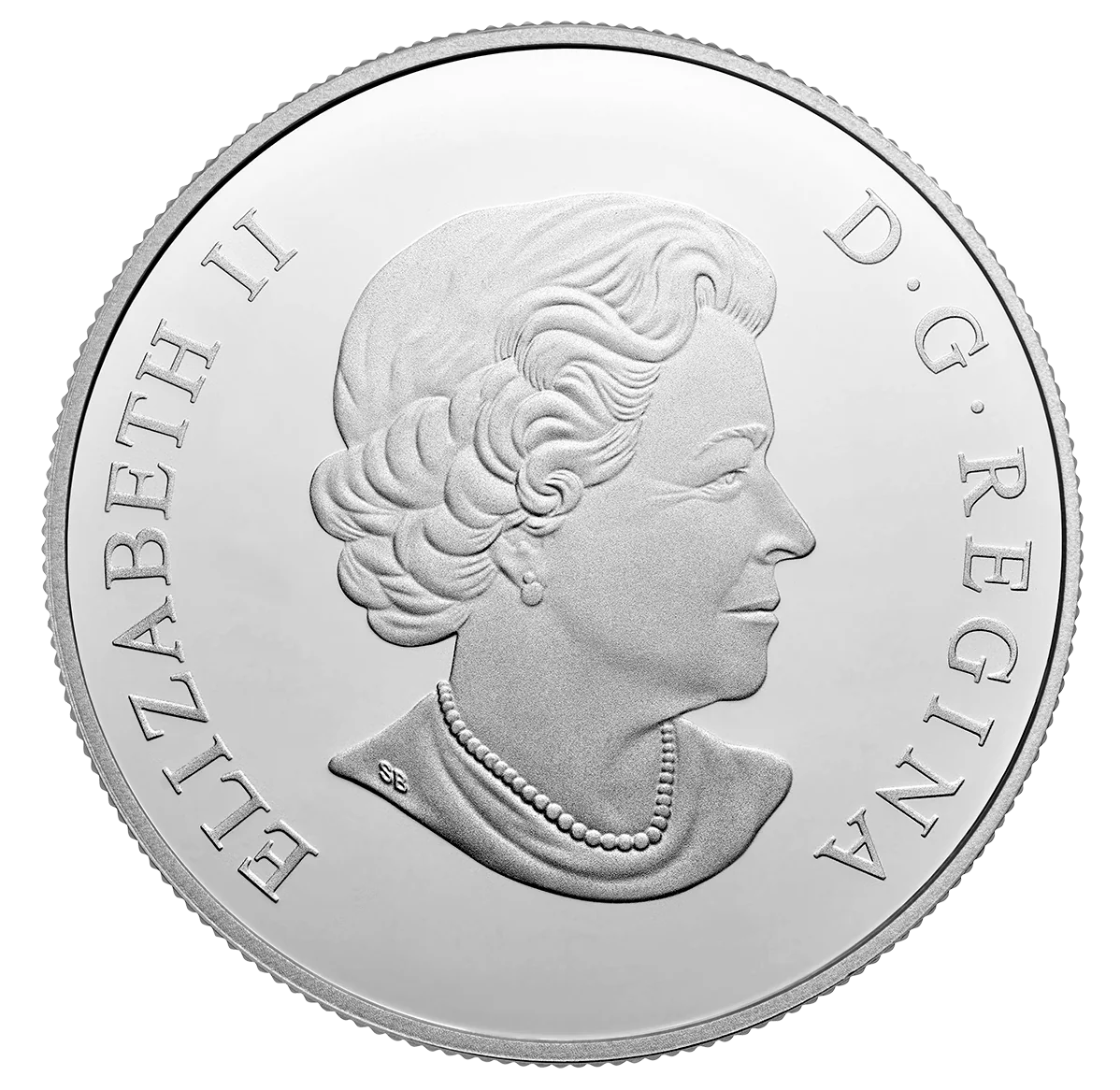
Obverse
Description:
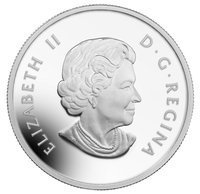
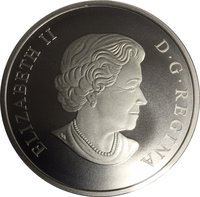
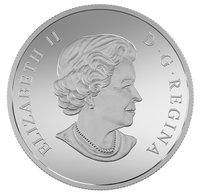
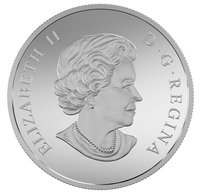
Queen Elizabeth II at 77, facing right, wearing a necklace and earrings.
Inscription:
ELIZABETH II D·G·REGINA
Translation:
Elizabeth II by the Grace of God Queen
Script: Latin
Engraver: Susan Taylor
Designer: Susanna Blunt
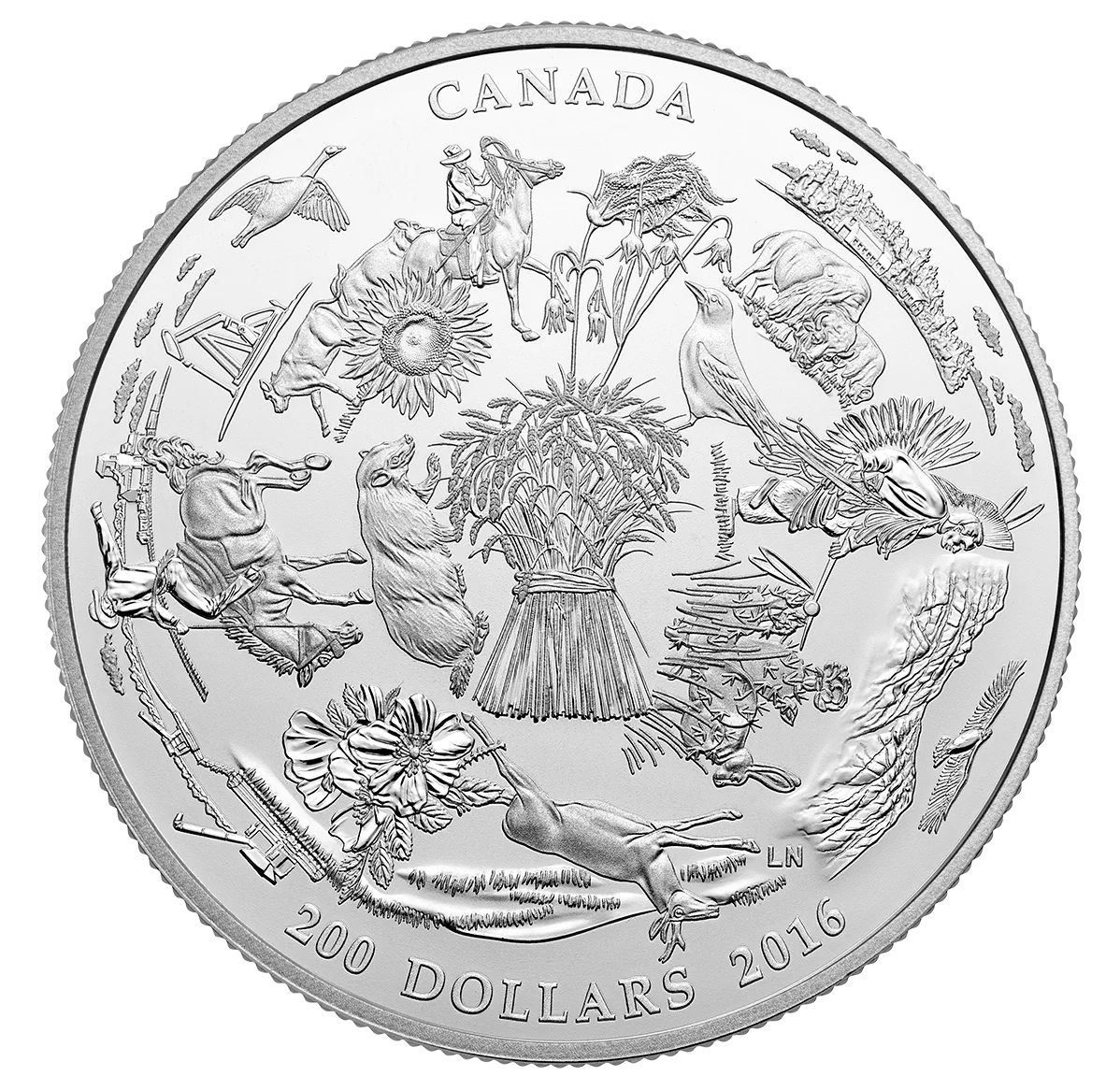
Reverse
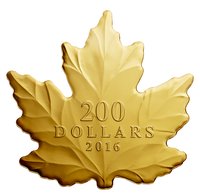
Description:
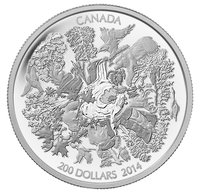
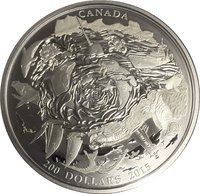
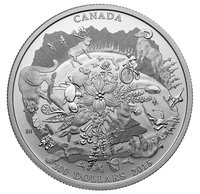
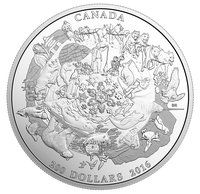
Canada's western prairie beauty.
Inscription:
CANADA
LN
200 DOLLARS 2016
LN
200 DOLLARS 2016
Script: Latin
Designer: Luc Normandin
Edge
Serrated
Categories
| Agriculture |
| Animal> Deer |
| Plants> Flower |
| Animal> Cow |
| Animal> Horse |
| Animal> Bird |
| Animal> Rodent |
Mints
| Name | Mark |
|---|---|
| Royal Canadian Mint of Ottawa | — |
Mintings
| Year | Mint Mark | Mintage | Quality | Collection |
|---|---|---|---|---|
| 2016 | — | 11,754 | Proof |
Historical background
In 2016, the Canadian economy and its currency, the Canadian dollar (CAD), were navigating a complex and challenging environment defined primarily by the prolonged slump in global oil prices. Having fallen sharply from over US$100 per barrel in mid-2014 to a low near US$26 in early 2016, the price shock created significant headwinds for Canada's resource-heavy economy. This directly pressured the loonie, which traded at multi-year lows, spending much of the year in a range between 68 and 77 US cents. The currency's weakness was a double-edged sword: it provided a crucial boost to non-energy exporters and the manufacturing sector, particularly in Central Canada, but also increased costs for imports and consumer goods.
Monetary policy from the Bank of Canada (BoC), under Governor Stephen Poloz, was cautiously accommodative in this context. Having cut its key overnight rate twice in 2015 to 0.50% to buffer the oil shock, the BoC held steady throughout 2016. Policymakers balanced concerns over weak business investment and inflationary pressures from the low dollar against growing household debt and a hot housing market, especially in Toronto and Vancouver. The U.S. Federal Reserve's decision to raise interest rates in December 2016, while the BoC remained on hold, further widened the interest rate differential, contributing to the Canadian dollar's relative weakness against its U.S. counterpart.
By year's end, the currency's situation showed tentative signs of stabilization as oil prices recovered to around US$50 per barrel. However, significant uncertainty remained due to volatile commodities, the unfolding economic policies of the newly elected U.S. President Donald Trump, and concerns over Canada's own domestic vulnerabilities. Thus, 2016 was a year where the low Canadian dollar acted as a critical, though imperfect, adjustment mechanism for an economy in transition, shielding it from the worst of the oil crash while presenting new policy challenges for the central bank and federal government.
Monetary policy from the Bank of Canada (BoC), under Governor Stephen Poloz, was cautiously accommodative in this context. Having cut its key overnight rate twice in 2015 to 0.50% to buffer the oil shock, the BoC held steady throughout 2016. Policymakers balanced concerns over weak business investment and inflationary pressures from the low dollar against growing household debt and a hot housing market, especially in Toronto and Vancouver. The U.S. Federal Reserve's decision to raise interest rates in December 2016, while the BoC remained on hold, further widened the interest rate differential, contributing to the Canadian dollar's relative weakness against its U.S. counterpart.
By year's end, the currency's situation showed tentative signs of stabilization as oil prices recovered to around US$50 per barrel. However, significant uncertainty remained due to volatile commodities, the unfolding economic policies of the newly elected U.S. President Donald Trump, and concerns over Canada's own domestic vulnerabilities. Thus, 2016 was a year where the low Canadian dollar acted as a critical, though imperfect, adjustment mechanism for an economy in transition, shielding it from the worst of the oil crash while presenting new policy challenges for the central bank and federal government.
Series: Landscapes of the North

💎 Extremely Rare