

50 centavos – Brazil
Add to wishlist
Brazil
Context
Material
Diameter: 23 mm
Weight: 7.81 g
Thickness: 2.85 mm
Shape: Round
Composition: Stainless steel
Standard: Silver quarter ounce
Technique: Milled
Alignment: Coin alignment
flip
References
KM: #
Numista: #94947
Value
Exchange value: 0.50 BRL
Inflation-adjusted value: 1.05 BRL
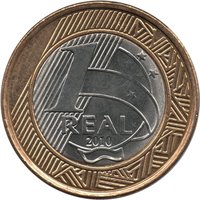
Obverse
Description:
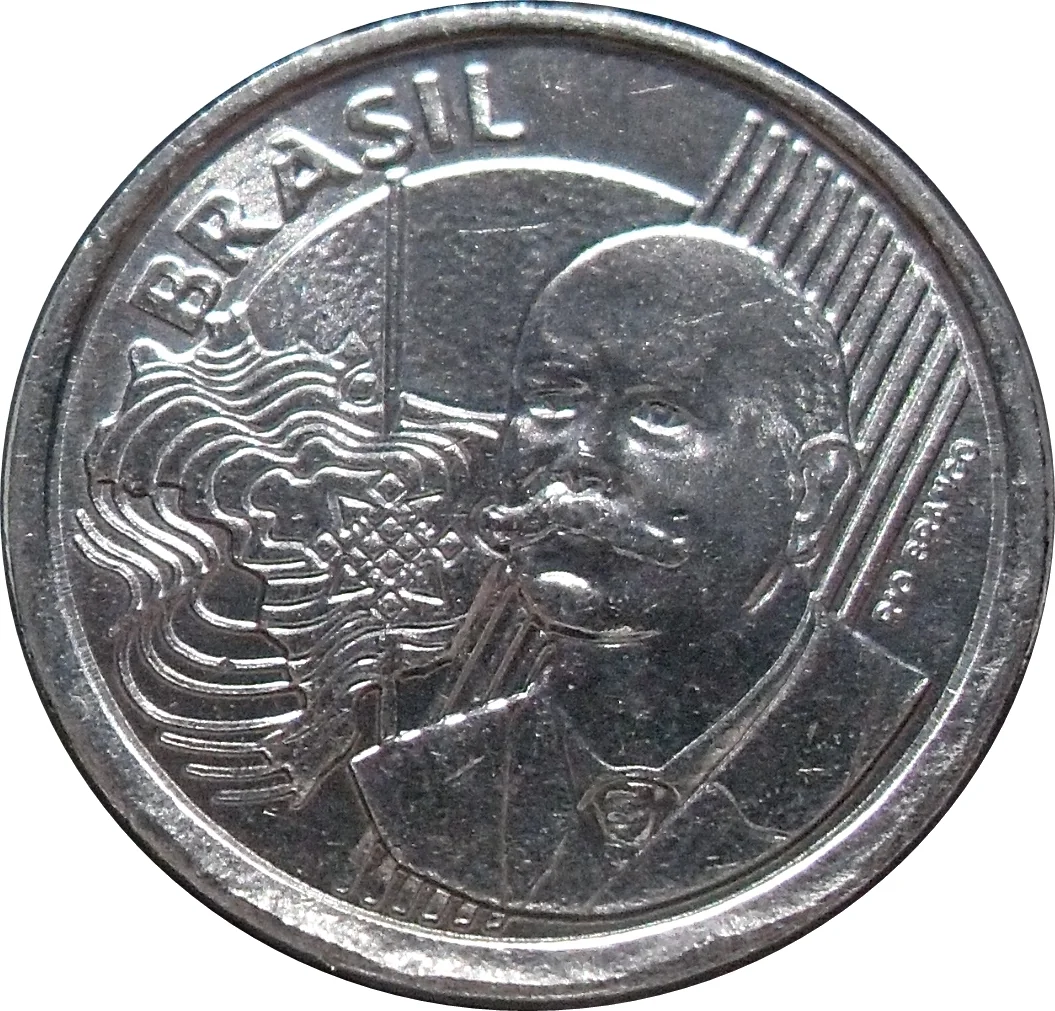
Portrait of Barão do Río Branco with a map of Brazil.
Inscription:
BRASIL
RIO BRANCO
RIO BRANCO
Translation:
Brazil
Rio Branco
Rio Branco
Script: Latin
Language: Portuguese
Engraver: Luciano Dias Araújo
Reverse
Edge
Smooth and inscripted
Legend:
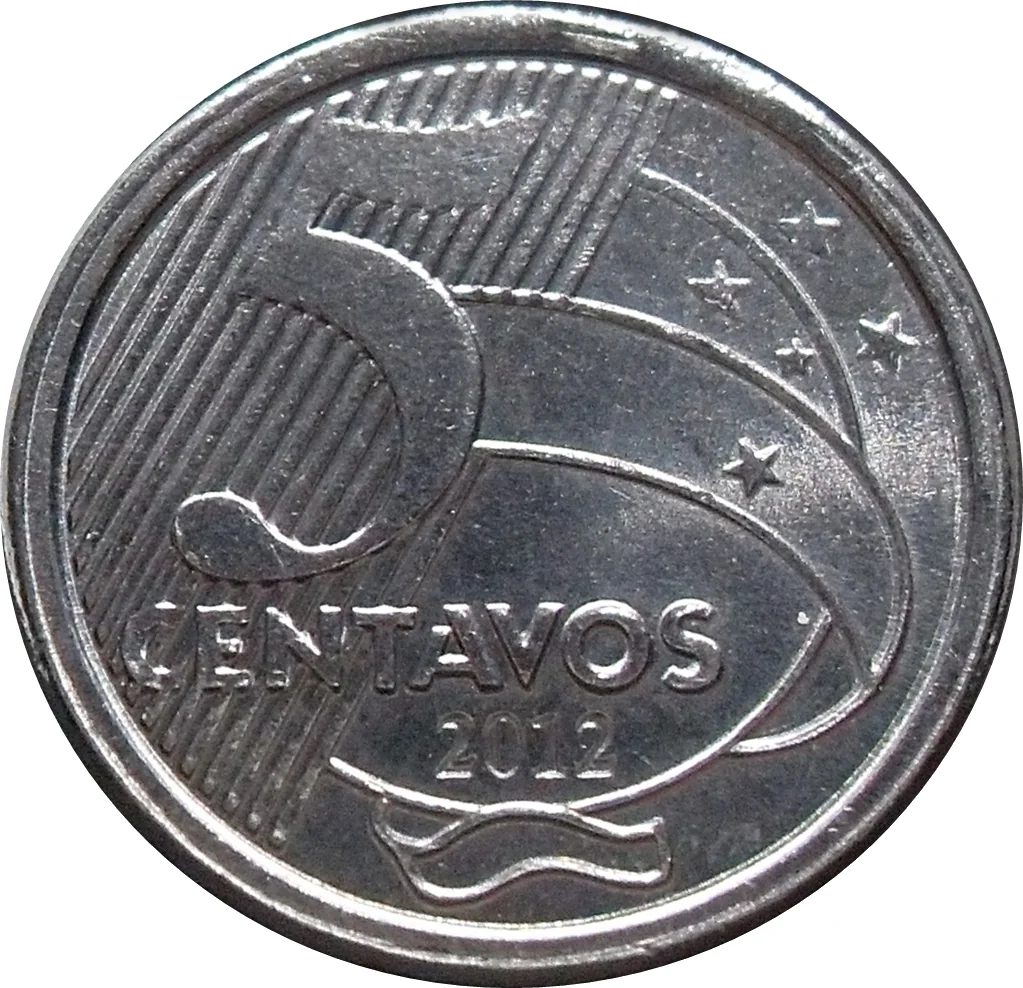
* ORDEM E PROGRESSO * BRASIL
Translation:
Order and Progress * Brazil
Language: Portuguese
Categories
| Person> Politician |
| Map |
Mints
| Name | Mark |
|---|---|
| Casa da Moeda do Brasil | — |
Mintings
| Year | Mint Mark | Mintage | Quality | Collection |
|---|---|---|---|---|
| 2012 | — | 40,000 |
Historical background
In 2012, Brazil was grappling with the complex aftermath of the 2008 global financial crisis and its own aggressive stimulus measures. The Brazilian real, which had strengthened significantly in preceding years, began a period of sustained depreciation against the US dollar. This shift was driven by several factors: a sharp decline in global commodity prices (which reduced export revenues), growing concerns over the country's large current account and fiscal deficits, and a broader loss of investor confidence in emerging markets. The government, led by President Dilma Rousseff, was simultaneously fighting a battle against persistent inflation, which limited its ability to use interest rate cuts to stimulate a slowing economy.
The situation was further complicated by deliberate policy interventions. The Brazilian government and central bank had been actively intervening in foreign exchange markets since 2011 to prevent excessive appreciation of the real from harming industrial competitiveness—a policy known as the "currency war" (guerra cambial). By 2012, however, the focus shifted toward managing the currency's decline. The Central Bank utilized a combination of tools, including direct dollar sales in the spot market, reverse currency swaps (which provided investors with hedge against a weaker real), and adjustments to reserve requirements to provide liquidity and curb volatility, rather than to definitively halt the depreciation.
Ultimately, the currency dynamics of 2012 reflected a turning point for Brazil's economy. The weakening real contributed to inflationary pressures by making imports more expensive, forcing the Central Bank to cautiously raise interest rates later in the year despite stagnant growth. This period marked the end of the "Brazil cost" era of an overly strong currency and exposed underlying structural weaknesses, setting the stage for the economic challenges that would intensify in the years following, including a deep recession and a prolonged period of low growth and high inflation.
The situation was further complicated by deliberate policy interventions. The Brazilian government and central bank had been actively intervening in foreign exchange markets since 2011 to prevent excessive appreciation of the real from harming industrial competitiveness—a policy known as the "currency war" (guerra cambial). By 2012, however, the focus shifted toward managing the currency's decline. The Central Bank utilized a combination of tools, including direct dollar sales in the spot market, reverse currency swaps (which provided investors with hedge against a weaker real), and adjustments to reserve requirements to provide liquidity and curb volatility, rather than to definitively halt the depreciation.
Ultimately, the currency dynamics of 2012 reflected a turning point for Brazil's economy. The weakening real contributed to inflationary pressures by making imports more expensive, forcing the Central Bank to cautiously raise interest rates later in the year despite stagnant growth. This period marked the end of the "Brazil cost" era of an overly strong currency and exposed underlying structural weaknesses, setting the stage for the economic challenges that would intensify in the years following, including a deep recession and a prolonged period of low growth and high inflation.

⭐ Rare