

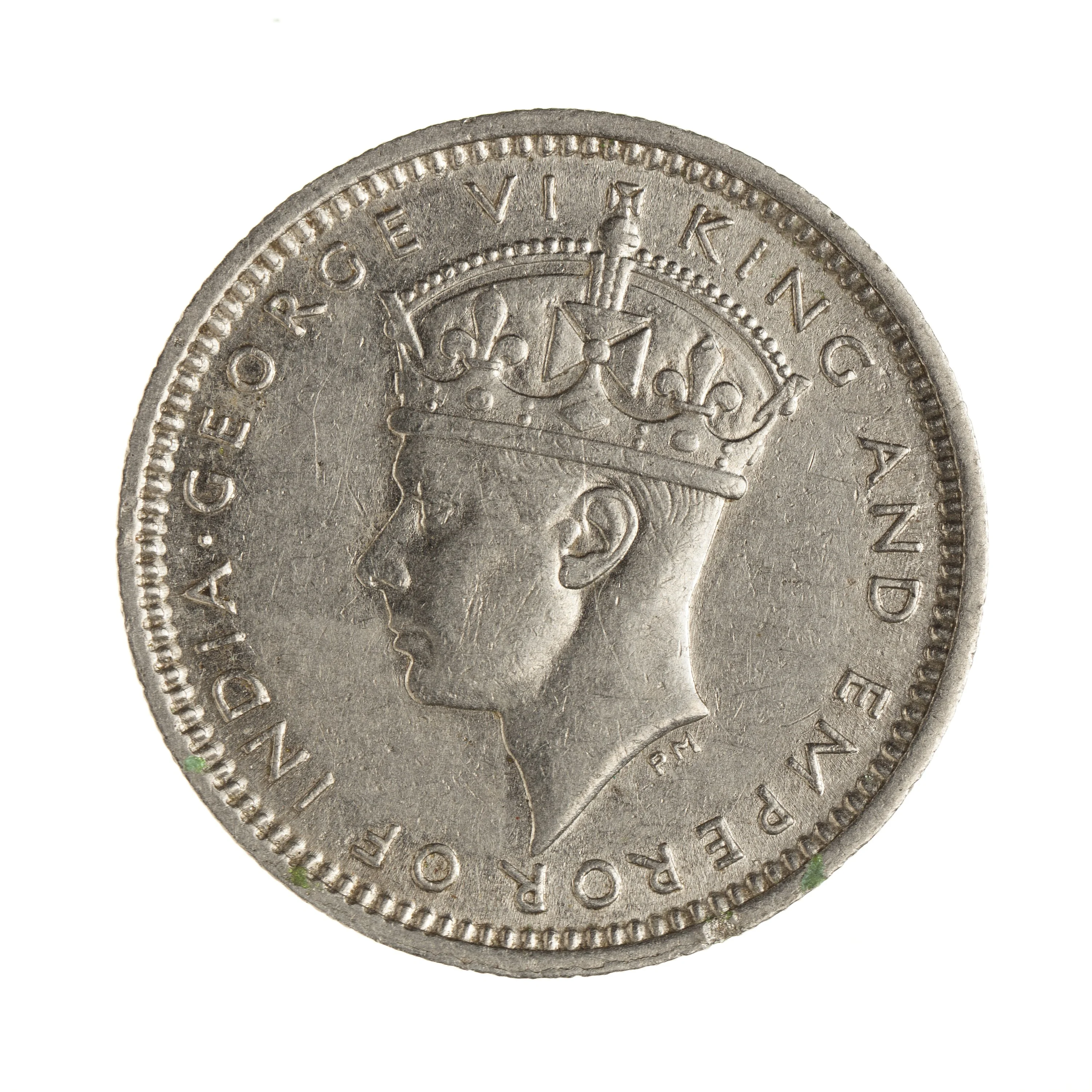
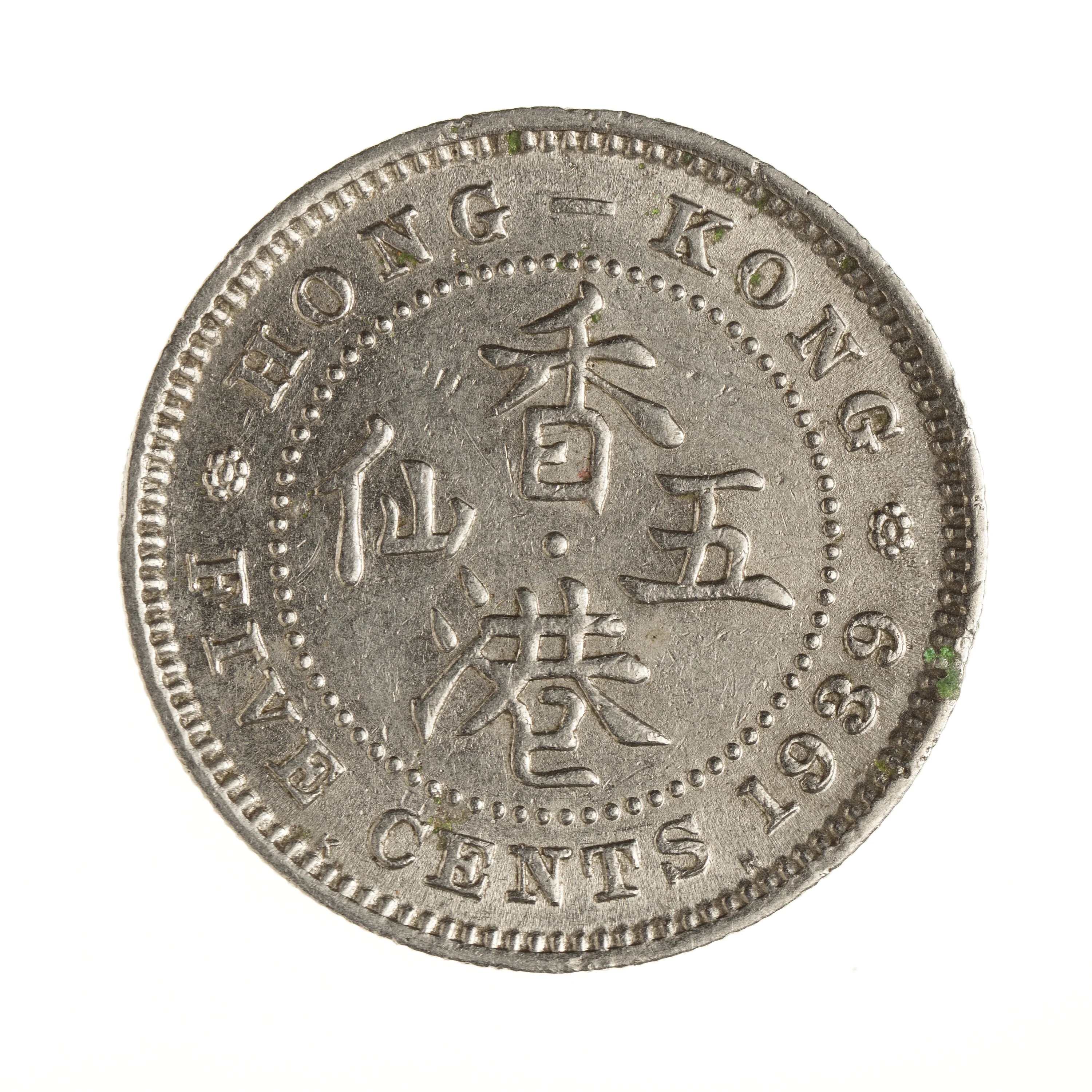

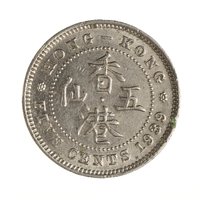
Obverse
Description:
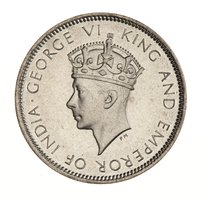
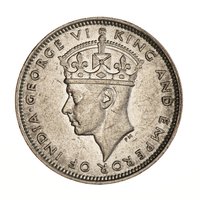
Crowned left-facing bust.
Inscription:
·GEORGE VI KING AND EMPEROR OF INDIA
Translation:
GEORGE VI KING AND EMPEROR OF INDIA
Script: Latin
Language: English
Engraver: Percy Metcalfe
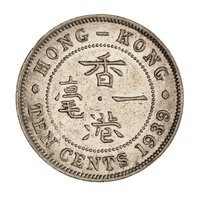
Reverse
Edge
Security Edge
Mints
| Name | Mark |
|---|---|
| Royal Mint (Tower Hill) | — |
| Heaton and Sons / The Mint Birmingham | H |
| Kings Norton Metal Company | KN |
Mintings
Historical background
In 1938, Hong Kong’s currency situation was defined by its unique colonial position amidst the turmoil of the Second Sino-Japanese War. The official currency was the Hong Kong dollar, issued by three commercial banks—the Hongkong and Shanghai Banking Corporation (HSBC), the Chartered Bank of India, Australia and China, and the Mercantile Bank of India—under the oversight of the British colonial government. This system was anchored to the Sterling Exchange Standard, meaning the Hong Kong dollar’s value was pegged to the British pound sterling, which provided a degree of international stability.
However, this stability was severely tested by the influx of refugees and capital fleeing the Japanese invasion of mainland China, particularly after the fall of Canton (Guangzhou) in October 1938. This crisis led to a massive inflow of Chinese capital and silver into Hong Kong, straining the banking system and creating inflationary pressures. Concurrently, multiple Chinese currencies, including the rapidly depreciating Nationalist fabi and various provincial notes, circulated unofficially in the colony, used by refugees and in cross-border trade, complicating the monetary landscape.
The colonial government’s primary concern was to protect Hong Kong’s own currency system from being destabilized by the mainland’s financial collapse. While maintaining the sterling peg, authorities monitored the banking system closely but had limited tools to control the flood of capital or the circulation of foreign notes. Thus, by the end of 1938, Hong Kong’s currency situation was one of fragile, managed stability, with its British-linked dollar operating as a sheltered haven amidst the surrounding economic chaos, yet increasingly vulnerable to the escalating war on its doorstep.
However, this stability was severely tested by the influx of refugees and capital fleeing the Japanese invasion of mainland China, particularly after the fall of Canton (Guangzhou) in October 1938. This crisis led to a massive inflow of Chinese capital and silver into Hong Kong, straining the banking system and creating inflationary pressures. Concurrently, multiple Chinese currencies, including the rapidly depreciating Nationalist fabi and various provincial notes, circulated unofficially in the colony, used by refugees and in cross-border trade, complicating the monetary landscape.
The colonial government’s primary concern was to protect Hong Kong’s own currency system from being destabilized by the mainland’s financial collapse. While maintaining the sterling peg, authorities monitored the banking system closely but had limited tools to control the flood of capital or the circulation of foreign notes. Thus, by the end of 1938, Hong Kong’s currency situation was one of fragile, managed stability, with its British-linked dollar operating as a sheltered haven amidst the surrounding economic chaos, yet increasingly vulnerable to the escalating war on its doorstep.
🌱 Fairly Common