

1 cent – United States
Add to wishlist
United States
Context
Years: 1909–1958
Issuer: United States
Period:
(since 1776)
Currency:
(since 1785)
Total mintage: 22,901,647,286
Material
Diameter: 19 mm
Weight: 3.11 g
Thickness: 1.4 mm
Shape: Round
Composition: Bronze
Standard: Gold tenth ounce
Magnetic: No
Technique: Milled
Alignment: Coin alignment
flip
References
KM: #
Numista: #908
Value
Exchange value: 0.01 USD = $0.01
Obverse
Description:
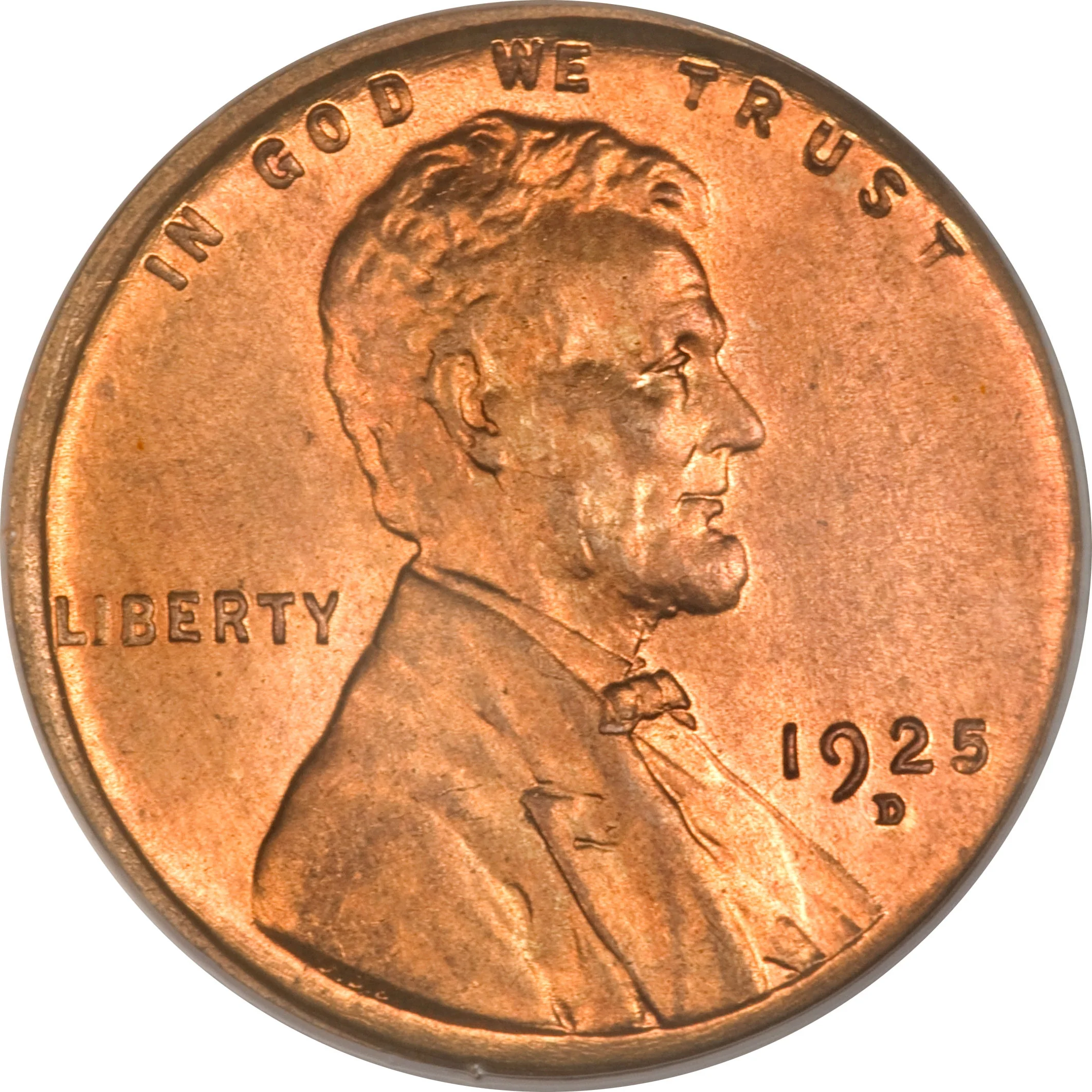
Lincoln facing right, date right, mintmark below date.
Inscription:
IN GOD WE TRUST
LIBERTY
1925
D
VDB
LIBERTY
1925
D
VDB
Script: Latin
Engraver: Victor David Brenner
Reverse
Description:
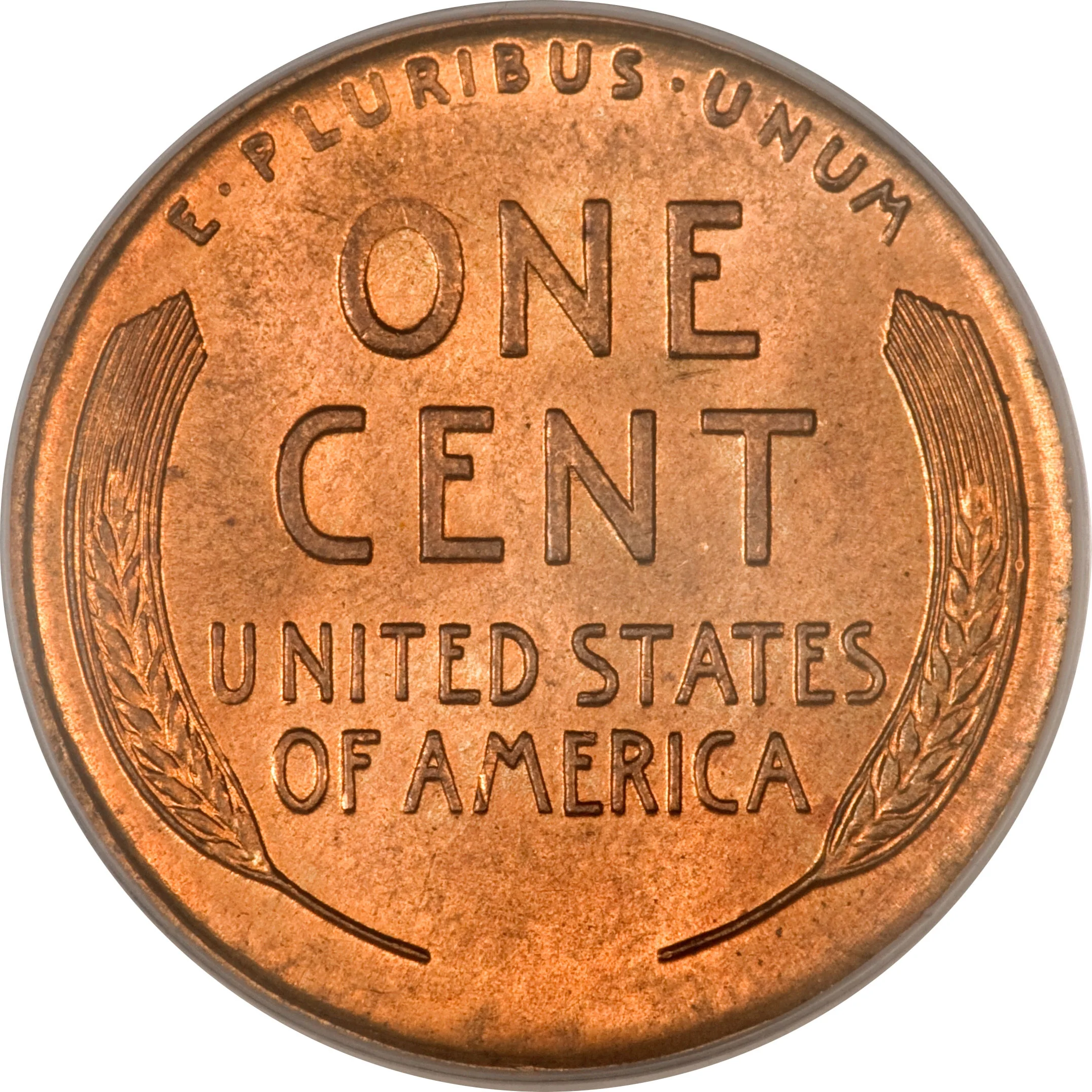
Wheat ears flanking lettering.
Inscription:
E·PLURIBUS·UNUM
ONE CENT
UNITED STATES OF AMERICA
ONE CENT
UNITED STATES OF AMERICA
Translation:
Out of Many, One
One Cent
United States of America
One Cent
United States of America
Script: Latin
Engraver: Victor David Brenner
Edge
Plain
Categories
| Person> Politician |
Mints
| Name | Mark |
|---|---|
| United States Mint of Philadelphia | — |
| United States Mint of Denver | D |
| United States Mint of San Francisco | S |
Mintings
| Year | Mint Mark | Mintage | Quality | Collection |
|---|---|---|---|---|
| 1909 | — | 1,194 | Proof | |
| 1909 | — | 27,995,000 | ||
| 1909 | S | — | ||
| 1910 | — | 146,801,218 | ||
| 1910 | — | 4,118 | Proof | |
| 1910 | S | 6,045,000 | ||
| 1911 | — | 101,177,787 | ||
| 1911 | — | 1,725 | Proof | |
| 1911 | D | 12,672,000 | ||
| 1911 | S | 4,026,000 | ||
| 1912 | S | 4,431,000 | ||
| 1912 | — | 68,153,060 | ||
| 1912 | — | 2,172 | Proof | |
| 1912 | D | 10,411,000 | ||
| 1913 | — | 76,532,352 | ||
| 1913 | — | 2,983 | Proof | |
| 1913 | D | 15,804,000 | ||
| 1913 | S | 6,101,000 | ||
| 1914 | — | 75,238,432 | ||
| 1914 | — | 1,365 | Proof | |
| 1914 | D | 1,193,000 | ||
| 1914 | S | 4,137,000 | ||
| 1915 | — | 29,092,120 | ||
| 1915 | — | 1,150 | Proof | |
| 1915 | D | 22,050,000 | ||
| 1915 | S | 4,833,000 | ||
| 1916 | — | 131,833,677 | ||
| 1916 | — | 1,050 | Proof | |
| 1916 | D | 35,956,000 | ||
| 1916 | S | 22,510,000 | ||
| 1917 | — | 196,429,785 | ||
| 1917 | D | 55,120,000 | ||
| 1917 | S | 32,620,000 | ||
| 1918 | — | 288,104,634 | ||
| 1918 | D | 47,830,000 | ||
| 1918 | S | 34,680,000 | ||
| 1919 | D | 57,154,000 | ||
| 1919 | S | 139,760,000 | ||
| 1919 | — | 392,021,000 | ||
| 1920 | — | 310,165,000 | ||
| 1920 | D | 49,280,000 | ||
| 1920 | S | 46,220,000 | ||
| 1921 | — | 39,157,000 | ||
| 1921 | S | 15,274,000 | ||
| 1922 | D | — | ||
| 1923 | — | 74,723,000 | ||
| 1923 | S | 8,700,000 | ||
| 1924 | S | 11,696,000 | ||
| 1924 | — | 75,178,000 | ||
| 1924 | D | 2,520,000 | ||
| 1925 | — | 139,949,000 | ||
| 1925 | D | 22,580,000 | ||
| 1925 | S | 26,380,000 | ||
| 1926 | — | 157,088,000 | ||
| 1926 | D | 28,020,000 | ||
| 1926 | S | 4,550,000 | ||
| 1927 | — | 144,440,000 | ||
| 1927 | D | 27,170,000 | ||
| 1927 | S | 14,276,000 | ||
| 1928 | S | — | ||
| 1928 | — | 134,116,000 | ||
| 1928 | D | 31,170,000 | ||
| 1929 | S | 50,148,000 | ||
| 1929 | — | 185,262,000 | ||
| 1929 | D | 41,730,000 | ||
| 1930 | — | 157,415,000 | ||
| 1930 | D | 40,100,000 | ||
| 1930 | S | 24,286,000 | ||
| 1931 | — | 19,396,000 | ||
| 1931 | D | 4,480,000 | ||
| 1931 | S | 866,000 | ||
| 1932 | — | 9,062,000 | ||
| 1932 | D | 10,500,000 | ||
| 1933 | — | 14,360,000 | ||
| 1933 | D | 6,200,000 | ||
| 1934 | — | 219,080,000 | ||
| 1934 | D | 28,446,000 | ||
| 1935 | — | 245,388,000 | ||
| 1935 | D | 47,000,000 | ||
| 1935 | S | 38,702,000 | ||
| 1936 | — | 309,632,000 | ||
| 1936 | — | 5,569 | Proof | |
| 1936 | D | 40,620,000 | ||
| 1936 | S | 29,130,000 | ||
| 1937 | — | 309,170,000 | ||
| 1937 | — | 9,320 | Proof | |
| 1937 | D | 50,430,000 | ||
| 1937 | S | 34,500,000 | ||
| 1938 | — | 156,682,000 | ||
| 1938 | — | 14,734 | Proof | |
| 1938 | D | 20,010,000 | ||
| 1938 | S | 15,180,000 | ||
| 1939 | — | 316,466,000 | ||
| 1939 | — | 13,520 | Proof | |
| 1939 | D | 15,160,000 | ||
| 1939 | S | 52,070,000 | ||
| 1940 | S | 112,940,000 | ||
| 1940 | — | 586,810,000 | ||
| 1940 | — | 15,872 | Proof | |
| 1940 | D | 81,390,000 | ||
| 1941 | — | 887,018,000 | ||
| 1941 | — | 21,100 | Proof | |
| 1941 | D | 128,700,000 | ||
| 1941 | S | 92,360,000 | ||
| 1942 | D | 206,698,000 | ||
| 1942 | — | 657,796,000 | ||
| 1942 | — | 32,600 | Proof | |
| 1942 | S | 85,590,000 | ||
| 1943 | — | 20 | ||
| 1943 | D | 1 | ||
| 1943 | S | 20 | ||
| 1944 | — | 1,435,400,000 | ||
| 1944 | D | — | ||
| 1944 | S | 282,760,000 | ||
| 1945 | — | 1,040,515,000 | ||
| 1945 | D | 266,268,000 | ||
| 1945 | S | 181,770,000 | ||
| 1946 | S | — | ||
| 1946 | — | 991,655,000 | ||
| 1946 | D | 315,690,000 | ||
| 1947 | — | 190,555,000 | ||
| 1947 | D | 194,750,000 | ||
| 1947 | S | 99,000,000 | ||
| 1948 | — | 317,570,000 | ||
| 1948 | D | 172,637,500 | ||
| 1948 | S | 81,735,000 | ||
| 1949 | — | 217,775,000 | ||
| 1949 | D | 153,132,500 | ||
| 1949 | S | 64,290,000 | ||
| 1950 | — | 272,635,000 | ||
| 1950 | — | 51,386 | Proof | |
| 1950 | D | 334,950,000 | ||
| 1950 | S | 118,505,000 | ||
| 1951 | — | 284,576,000 | ||
| 1951 | — | 57,500 | Proof | |
| 1951 | D | 625,355,000 | ||
| 1951 | S | 136,010,000 | ||
| 1952 | — | 186,775,000 | ||
| 1952 | — | 81,980 | Proof | |
| 1952 | D | 746,130,000 | ||
| 1952 | S | 137,800,004 | ||
| 1953 | — | 256,755,000 | ||
| 1953 | — | 128,800 | Proof | |
| 1953 | D | 700,515,000 | ||
| 1953 | S | 181,835,000 | ||
| 1954 | — | 71,640,050 | ||
| 1954 | — | 233,300 | Proof | |
| 1954 | D | 251,552,500 | ||
| 1954 | S | 96,190,000 | ||
| 1955 | — | 330,958,200 | ||
| 1955 | — | 378,200 | Proof | |
| 1955 | D | 563,257,500 | ||
| 1955 | S | 44,610,000 | ||
| 1956 | — | 420,745,000 | ||
| 1956 | — | 669,384 | Proof | |
| 1956 | D | — | ||
| 1957 | — | 282,540,000 | ||
| 1957 | — | 1,247,952 | Proof | |
| 1957 | D | 1,051,342,000 | ||
| 1958 | — | 252,525,000 | ||
| 1958 | — | 875,652 | Proof | |
| 1958 | D | 800,953,300 |
Historical background
In 1909, the United States operated under the Gold Standard Act of 1900, which officially established gold as the sole standard for redeeming paper currency. This meant the value of the dollar was pegged to a specific quantity of gold, and U.S. currency, including gold coins, silver dollars, and paper notes, was theoretically convertible into gold. However, the monetary system was complex and somewhat fragmented. The nation's money supply consisted of gold coins, silver dollars (a legacy of the earlier political battles over "free silver"), lesser silver and copper coinage, and several types of paper money issued by the Treasury and national banks. This patchwork system lacked a true central bank, as the First and Second Banks of the United States had been defunct for decades, leaving monetary policy disjointed and crisis-prone.
A significant political and economic tension from the previous decades—the debate over "bimetallism" (using both gold and silver as monetary bases)—had quieted but not fully disappeared following William Jennings Bryan's defeat in 1896 and the subsequent gold standard legislation. By 1909, the economy was growing, but there was persistent concern among farmers, laborers, and some businessmen about the "inelasticity" of the currency. The money supply could not expand or contract easily to meet the seasonal needs of agriculture or to stem financial panics, a weakness brutally exposed by the Panic of 1907 just two years prior. This panic had been halted largely through the personal efforts of financier J.P. Morgan, highlighting the dangerous absence of a formal lender of last resort.
These pressures set the stage for monumental change. The year 1909 saw the final stages of a political movement to reform the banking system, culminating in the creation of the National Monetary Commission in 1908. Its work, led by Senator Nelson Aldrich, was actively underway, investigating central banking models in Europe. While the familiar Lincoln cent was introduced this year, the most significant monetary developments were behind the scenes, laying the intellectual and political groundwork for the Federal Reserve System. Thus, 1909 represented the end of an unstable, decentralized currency era and the direct precursor to the comprehensive central banking legislation that would arrive with the Federal Reserve Act of 1913.
A significant political and economic tension from the previous decades—the debate over "bimetallism" (using both gold and silver as monetary bases)—had quieted but not fully disappeared following William Jennings Bryan's defeat in 1896 and the subsequent gold standard legislation. By 1909, the economy was growing, but there was persistent concern among farmers, laborers, and some businessmen about the "inelasticity" of the currency. The money supply could not expand or contract easily to meet the seasonal needs of agriculture or to stem financial panics, a weakness brutally exposed by the Panic of 1907 just two years prior. This panic had been halted largely through the personal efforts of financier J.P. Morgan, highlighting the dangerous absence of a formal lender of last resort.
These pressures set the stage for monumental change. The year 1909 saw the final stages of a political movement to reform the banking system, culminating in the creation of the National Monetary Commission in 1908. Its work, led by Senator Nelson Aldrich, was actively underway, investigating central banking models in Europe. While the familiar Lincoln cent was introduced this year, the most significant monetary developments were behind the scenes, laying the intellectual and political groundwork for the Federal Reserve System. Thus, 1909 represented the end of an unstable, decentralized currency era and the direct precursor to the comprehensive central banking legislation that would arrive with the Federal Reserve Act of 1913.
🌱 Very Common