

10 Zlotys (Józef Poniatowski) – Poland
Non-circulating coins
Commemoration: 200th Anniversary of the Death of Józef Poniatowski
Poland

Obverse
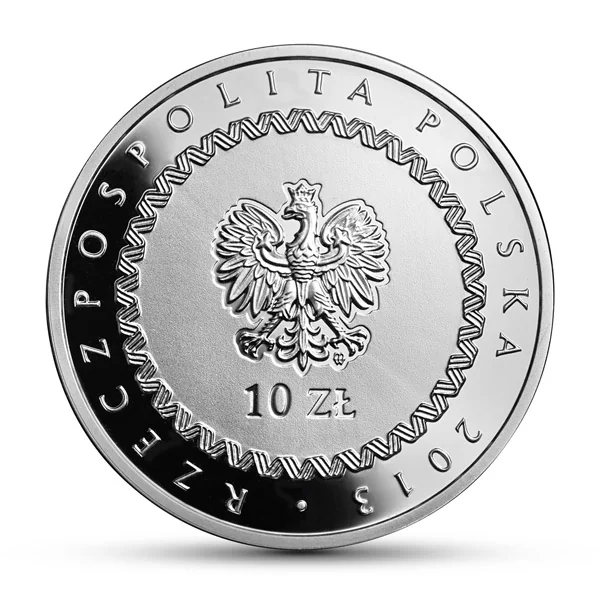
Inscription:
RZECZPOSPOLITA POLSKA 2013 ·
mw
10 ZŁ
mw
10 ZŁ
Translation:
Republic of Poland 2013
10 ZŁOTYCH
10 ZŁOTYCH
Script: Latin
Designer: Urszula Walerzak
Reverse
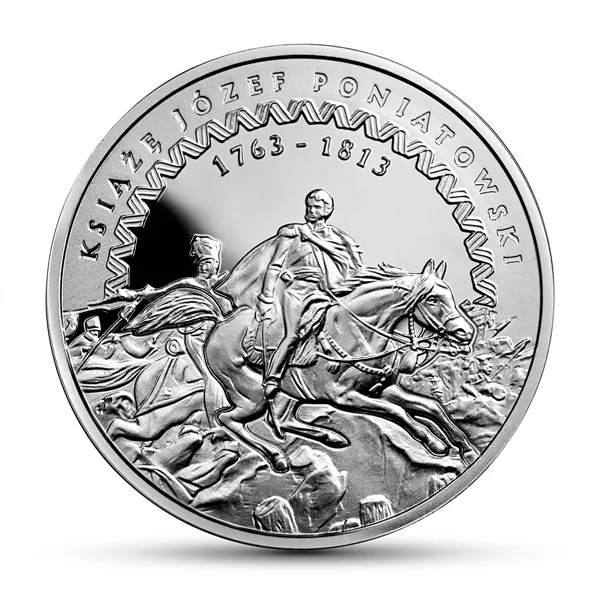
Inscription:
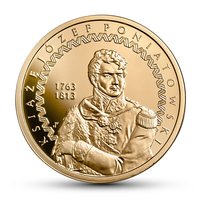
KSIĄŻĘ JÓZEF PONIATOWSKI
1763 - 1813
1763 - 1813
Translation:
PRINCE JÓZEF PONIATOWSKI
1763 - 1813
1763 - 1813
Script: Latin
Language: Polish
Designer: Urszula Walerzak
Edge
Plain
Mints
| Name | Mark |
|---|---|
| Mint of Poland | (MW) |
Mintings
| Year | Mint Mark | Mintage | Quality | Collection |
|---|---|---|---|---|
| 2013 | MW | 28,000 | Proof |
Historical background
In 2013, Poland's currency situation was dominated by the significant depreciation of the Polish złoty (PLN), primarily driven by external market pressures. The year began with the złoty trading at approximately 3.15 against the euro, but it weakened considerably throughout the spring and summer, breaching the psychologically important level of 4.30 PLN/EUR in late August. This sharp decline was largely a reaction to international factors, most notably market speculation about the US Federal Reserve "tapering" its quantitative easing program. This led to a broad sell-off of emerging market assets, with investors pulling capital from countries like Poland, which was seen as a stable but vulnerable economy within the region.
Domestically, Poland's economic fundamentals remained relatively strong, with steady GDP growth and controlled inflation, which provided some underlying support for the currency. However, the external shock exposed Poland's sensitivity to global capital flows. The National Bank of Poland (NBP), under Governor Marek Belka, faced a policy dilemma. While a weaker złoty benefited exporters, it also raised concerns about imported inflation and the cost of servicing foreign currency mortgages, a significant household debt burden. The NBP initially adopted a cautious stance, intervening directly in the forex market in June 2013 for the first time since 2010, but it resisted more aggressive measures like interest rate hikes that could stifle domestic growth.
By the final quarter of 2013, the złoty began to recover some ground, stabilizing around 4.15 PLN/EUR, as global market tensions eased and confidence returned. The year highlighted Poland's integration into global financial markets and the challenges of maintaining monetary stability in a period of international volatility. The episode also reinforced ongoing concerns about the risks posed by widespread Swiss franc-denominated loans, setting the stage for future political and regulatory actions to address this legacy issue in the years that followed.
Domestically, Poland's economic fundamentals remained relatively strong, with steady GDP growth and controlled inflation, which provided some underlying support for the currency. However, the external shock exposed Poland's sensitivity to global capital flows. The National Bank of Poland (NBP), under Governor Marek Belka, faced a policy dilemma. While a weaker złoty benefited exporters, it also raised concerns about imported inflation and the cost of servicing foreign currency mortgages, a significant household debt burden. The NBP initially adopted a cautious stance, intervening directly in the forex market in June 2013 for the first time since 2010, but it resisted more aggressive measures like interest rate hikes that could stifle domestic growth.
By the final quarter of 2013, the złoty began to recover some ground, stabilizing around 4.15 PLN/EUR, as global market tensions eased and confidence returned. The year highlighted Poland's integration into global financial markets and the challenges of maintaining monetary stability in a period of international volatility. The episode also reinforced ongoing concerns about the risks posed by widespread Swiss franc-denominated loans, setting the stage for future political and regulatory actions to address this legacy issue in the years that followed.
💎 Extremely Rare