

1⁄12 shilling – Jersey
Add to wishlist
Context
Years: 1877–1894
Country: British Crown dependencies
Issuer: Jersey
Ruler: Victoria
Currency:
(1813—1971)
Demonetization: 27 December 1971
Total mintage: 675,153
Material
References
KM: #
Numista: #8461
Obverse
Description:
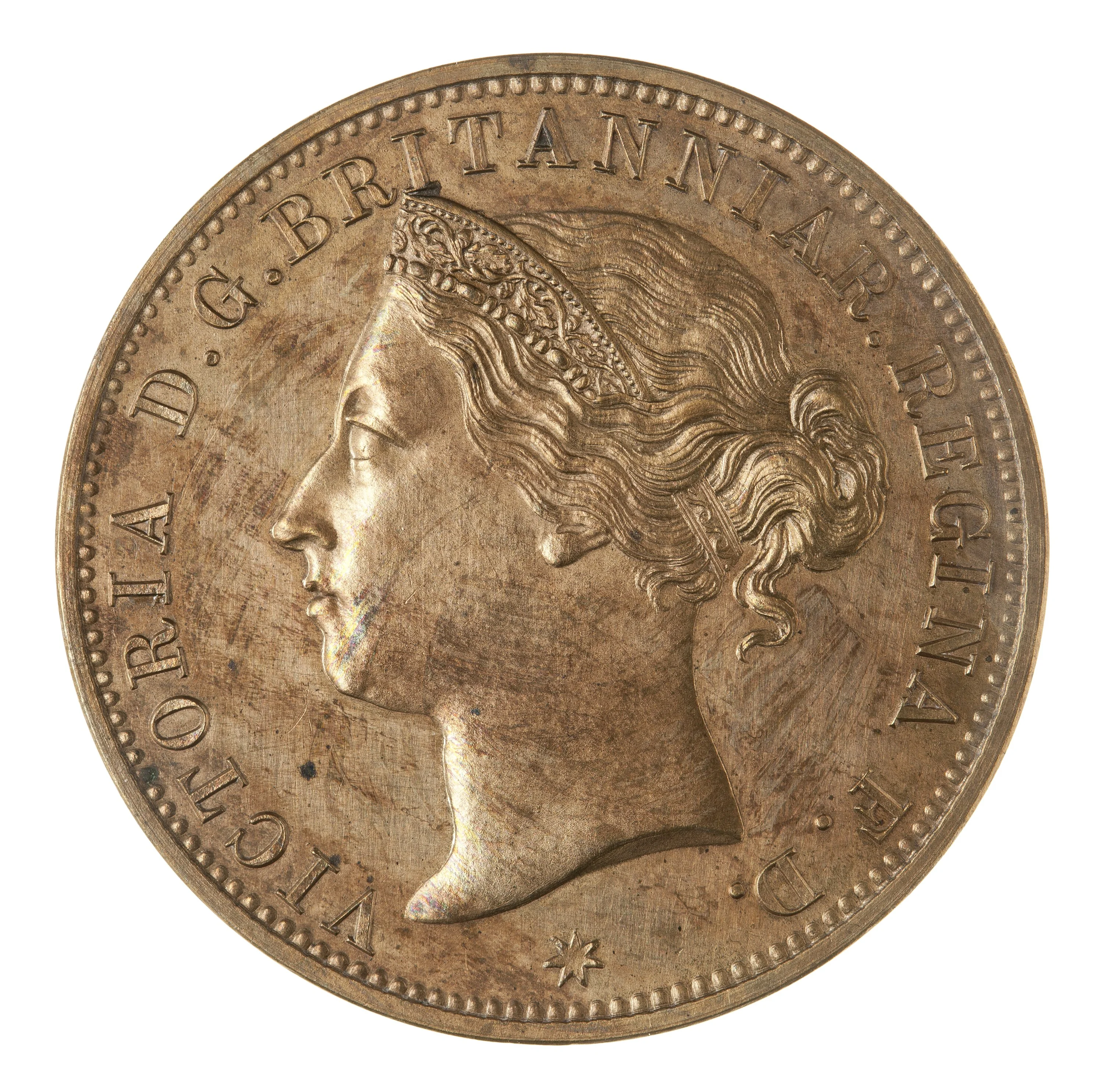
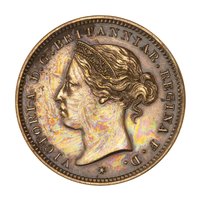
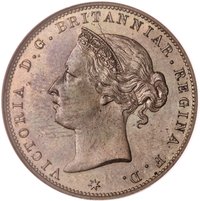
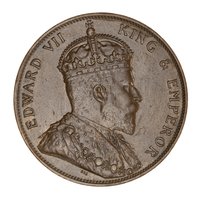
Queen Victoria left, diademed bust, legend around, star below.
Inscription:
VICTORIA D.G. BRITANNIAR. REGINA F.D. *
Translation:
Victoria by the Grace of God, Queen of the Britains, Defender of the Faith.
Script: Latin
Language: Latin
Engraver: Leonard Charles Wyon
Reverse
Description:
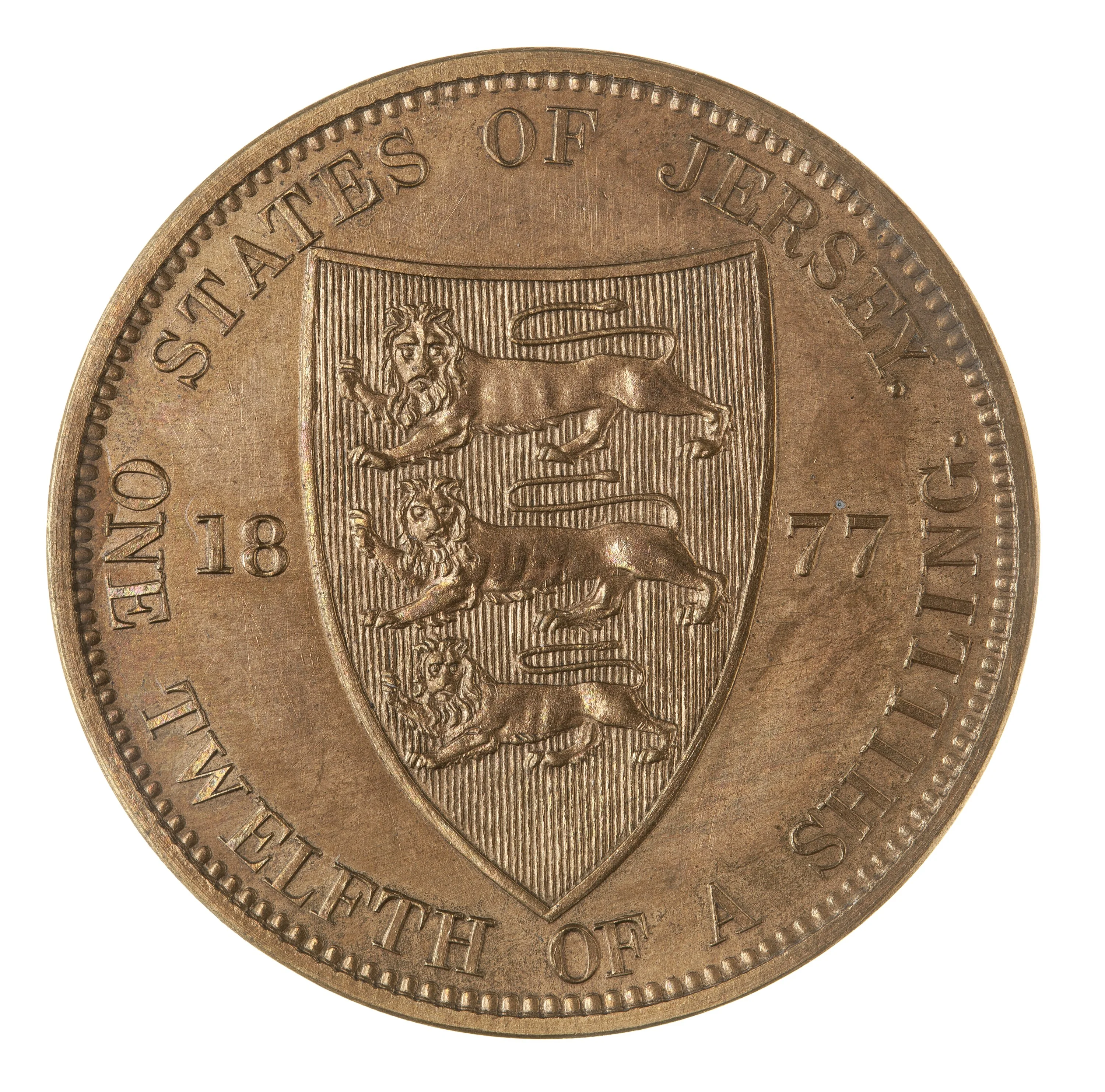
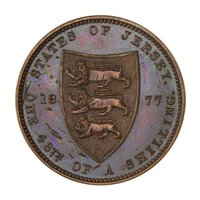
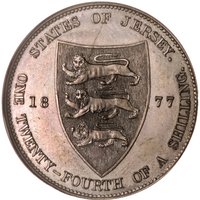
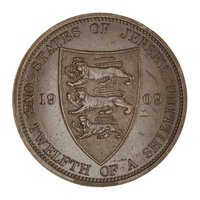
Shield divides date, legend above, denomination below.
Inscription:
STATES OF JERSEY.
18 88
ONE TWELFTH OF A SHILLING.
18 88
ONE TWELFTH OF A SHILLING.
Script: Latin
Engraver: Leonard Charles Wyon
Edge
Plain
Mints
| Name | Mark |
|---|---|
| Royal Mint (Tower Hill) | — |
| Heaton and Sons / The Mint Birmingham | H |
Mintings
Historical background
In 1877, Jersey's currency situation was a complex and locally distinctive system, operating within the broader framework of the British Empire. While the island was under the British Crown, it maintained significant fiscal autonomy and did not use Bank of England notes as everyday currency. Instead, the primary circulating medium was a combination of French gold and silver coinage—such as francs, sous, and louis d'or—alongside British gold sovereigns and silver shillings. This Franco-British hybrid system reflected Jersey's historical trade links with Normandy and mainland Europe, as well as its political connection to Britain.
The system was notoriously inconvenient for commerce and accounting. Merchants and citizens had to constantly calculate exchange rates between the different coinages, with the British shilling fixed at a value of 12 Jersey sous (pence), while the French franc circulated at a rate of 10 sous. This led to a dual pricing system and frequent confusion. Furthermore, there was a chronic shortage of small change, leading to the widespread use of low-denomination French copper coins and even privately issued tokens by local merchants to facilitate everyday transactions.
This unsatisfactory arrangement had been a topic of debate for decades, and by 1877, pressure for reform was building towards a decisive change. The States of Jersey were actively working to introduce a unified, decimalised currency pegged to the British pound. This effort would culminate in the Jersey Currency Act of 1877, which laid the groundwork for the introduction of a distinct Jersey coinage in 1878. These new coins, denominated in doubles, pennies, and shillings, were intended to simplify trade, resolve the small change shortage, and assert a clearer monetary identity, while remaining strictly tied to the British sterling standard.
The system was notoriously inconvenient for commerce and accounting. Merchants and citizens had to constantly calculate exchange rates between the different coinages, with the British shilling fixed at a value of 12 Jersey sous (pence), while the French franc circulated at a rate of 10 sous. This led to a dual pricing system and frequent confusion. Furthermore, there was a chronic shortage of small change, leading to the widespread use of low-denomination French copper coins and even privately issued tokens by local merchants to facilitate everyday transactions.
This unsatisfactory arrangement had been a topic of debate for decades, and by 1877, pressure for reform was building towards a decisive change. The States of Jersey were actively working to introduce a unified, decimalised currency pegged to the British pound. This effort would culminate in the Jersey Currency Act of 1877, which laid the groundwork for the introduction of a distinct Jersey coinage in 1878. These new coins, denominated in doubles, pennies, and shillings, were intended to simplify trade, resolve the small change shortage, and assert a clearer monetary identity, while remaining strictly tied to the British sterling standard.
Series: 1877 Jersey circulation coins
🌱 Very Common