

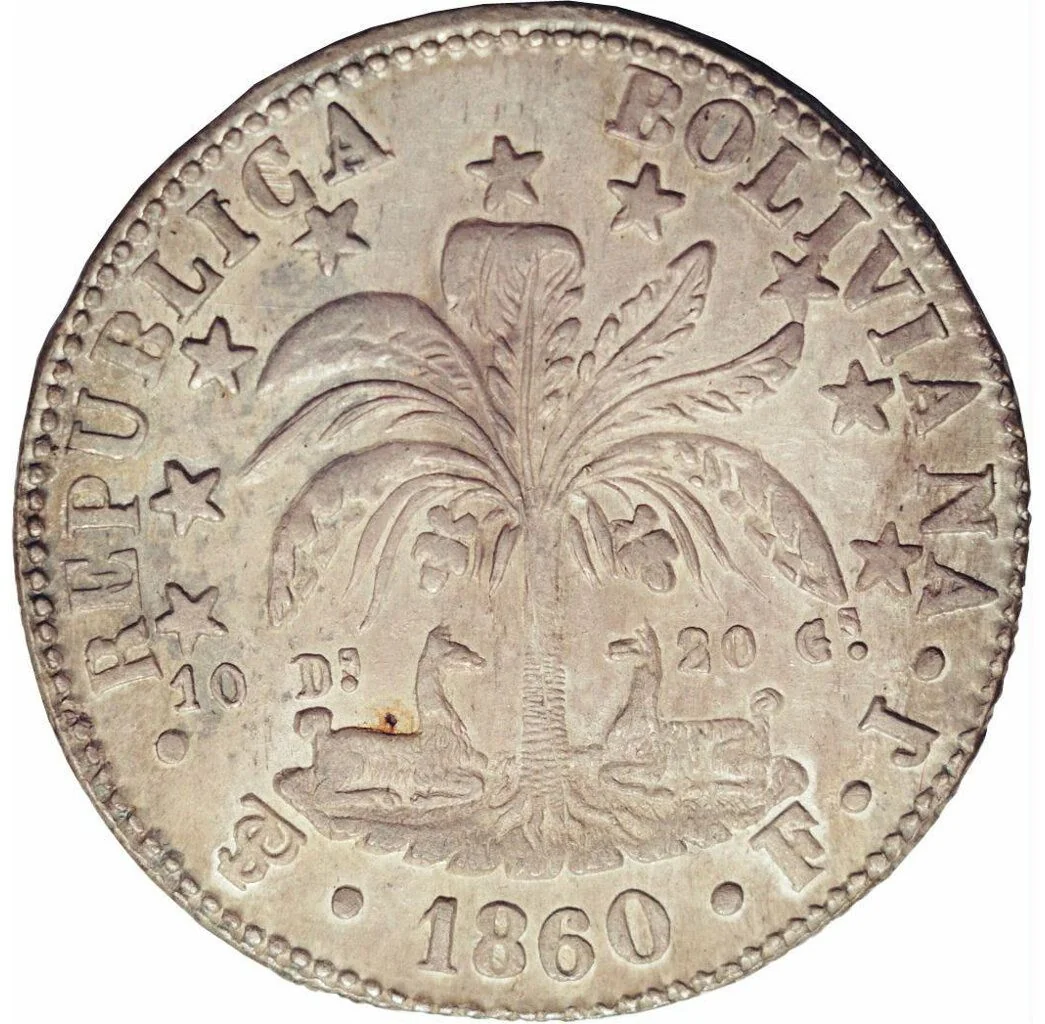
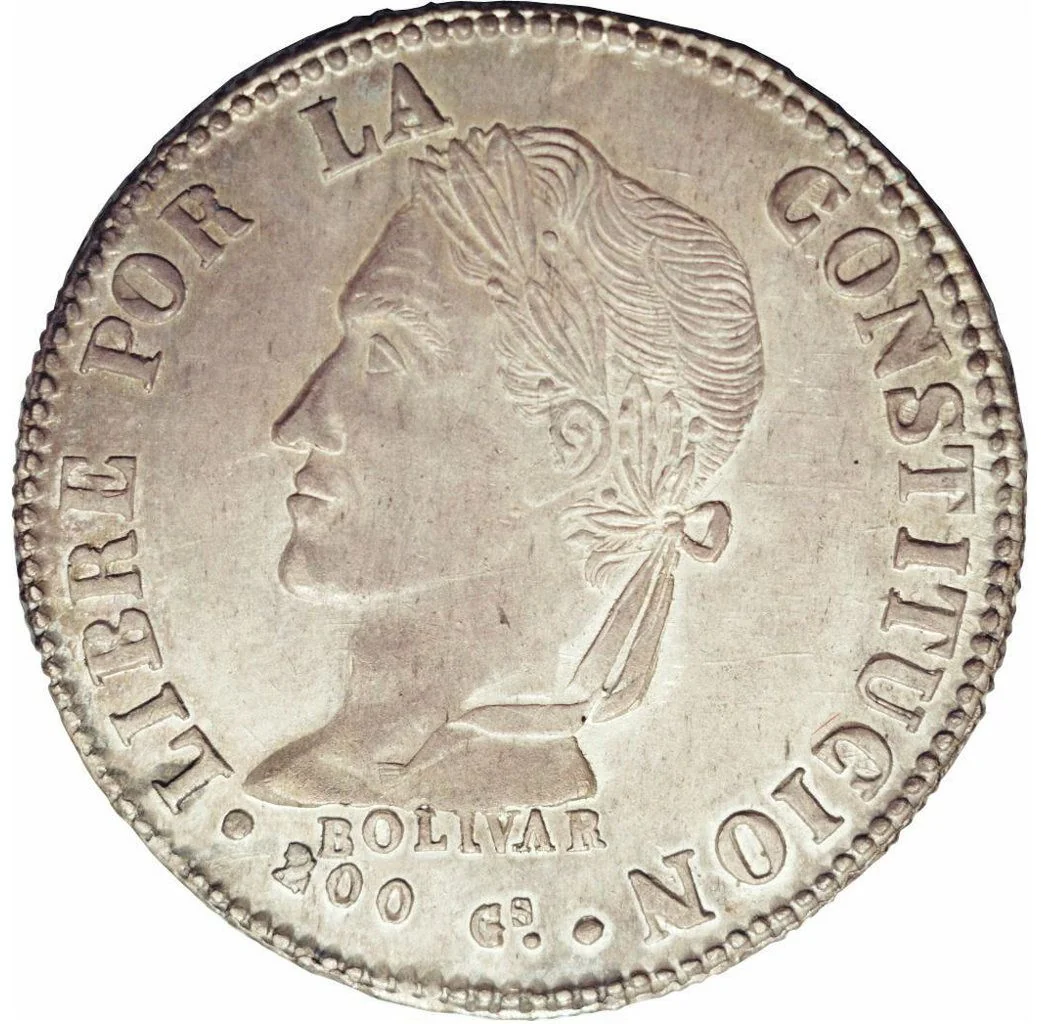
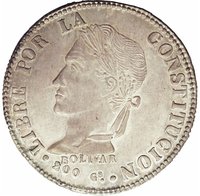
Obverse
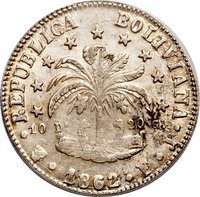
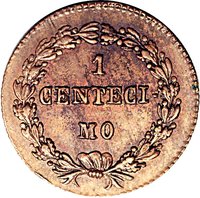
Reverse
Edge
Categories
| Person> Politician |
| Plant> Tree |
| Animal> Camel |
| Person> Military leader |
| Symbol> Wreath |
Mints
| Name | Mark |
|---|---|
| Potosi | — |
Mintings
| Year | Mint Mark | Mintage | Quality | Collection |
|---|---|---|---|---|
| 1860 | PTS | — |
Historical background
In 1860, Bolivia's currency situation was characterized by profound instability and fragmentation, a direct legacy of the economic devastation following the War of the Pacific (1879-1883) and earlier regional conflicts. The national treasury was severely depleted, and the country lacked a unified, trusted monetary system. While the Bolivian peso was the official unit of account, its value was erratic and it circulated alongside a confusing array of foreign coins, primarily Peruvian soles, Chilean pesos, and Bolivian silver bolivianos minted from the Potosí mines, all with fluctuating exchange rates against one another.
This monetary chaos was exacerbated by a chronic shortage of specie (coin), leading to widespread use of fichas (private tokens issued by haciendas and mining companies for local wages and company stores) and debased coinage. Counterfeiting was rampant, further eroding public trust. The government's attempts to establish order, such as the monetary law of 1857 which aimed to decimalize the currency, were largely ineffective on the ground due to a lack of centralized authority and economic power. The financial system was essentially bimetallic in theory but dysfunctional in practice, with silver from Potosí driving exports but not effectively monetizing the domestic economy.
Consequently, Bolivia's economy in 1860 operated with a weak and inefficient monetary foundation, which stifled internal trade, complicated taxation, and hindered foreign investment. This financial disarray reflected the broader political instability and regionalism of the period, preventing the formation of a strong national market. The currency situation would remain a critical challenge for decades, with lasting stability only emerging in the early 20th century following major monetary reforms and the establishment of a central bank.
This monetary chaos was exacerbated by a chronic shortage of specie (coin), leading to widespread use of fichas (private tokens issued by haciendas and mining companies for local wages and company stores) and debased coinage. Counterfeiting was rampant, further eroding public trust. The government's attempts to establish order, such as the monetary law of 1857 which aimed to decimalize the currency, were largely ineffective on the ground due to a lack of centralized authority and economic power. The financial system was essentially bimetallic in theory but dysfunctional in practice, with silver from Potosí driving exports but not effectively monetizing the domestic economy.
Consequently, Bolivia's economy in 1860 operated with a weak and inefficient monetary foundation, which stifled internal trade, complicated taxation, and hindered foreign investment. This financial disarray reflected the broader political instability and regionalism of the period, preventing the formation of a strong national market. The currency situation would remain a critical challenge for decades, with lasting stability only emerging in the early 20th century following major monetary reforms and the establishment of a central bank.
✨ Legendary