

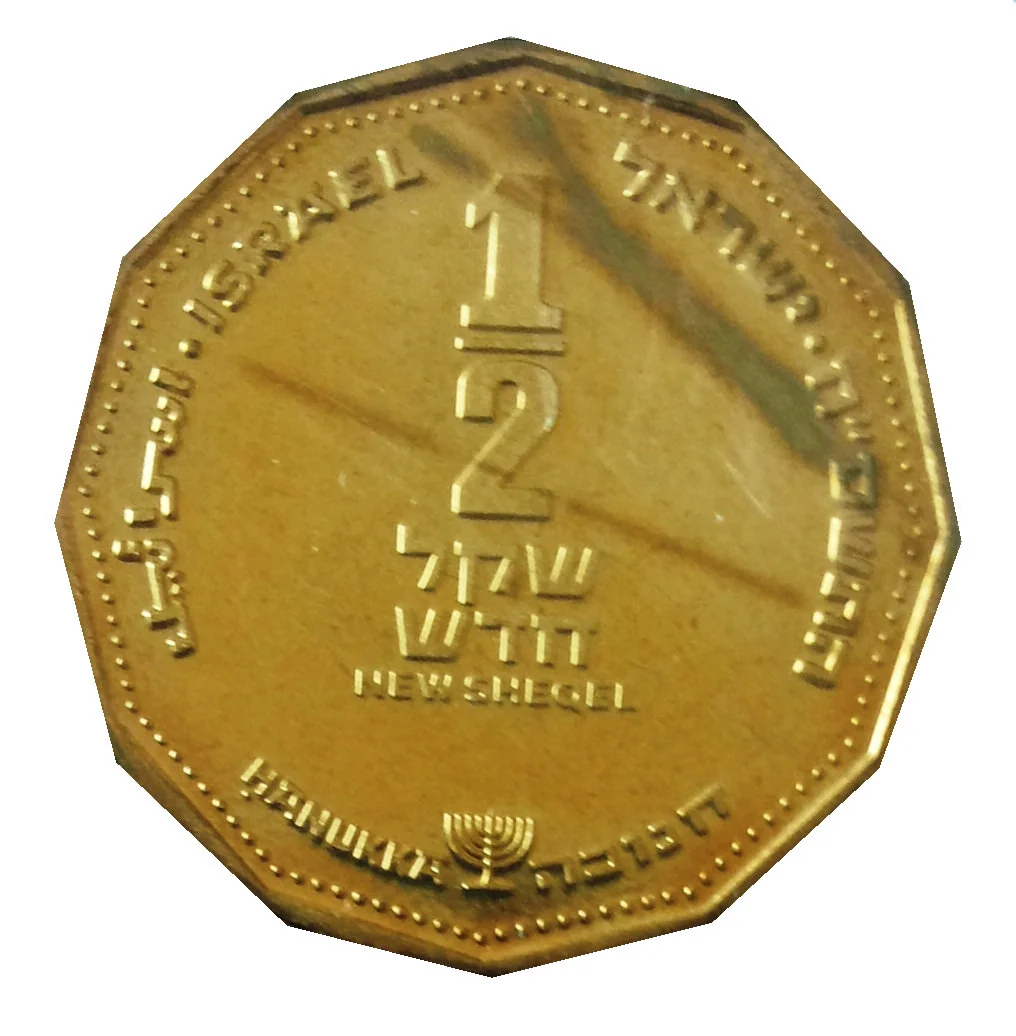
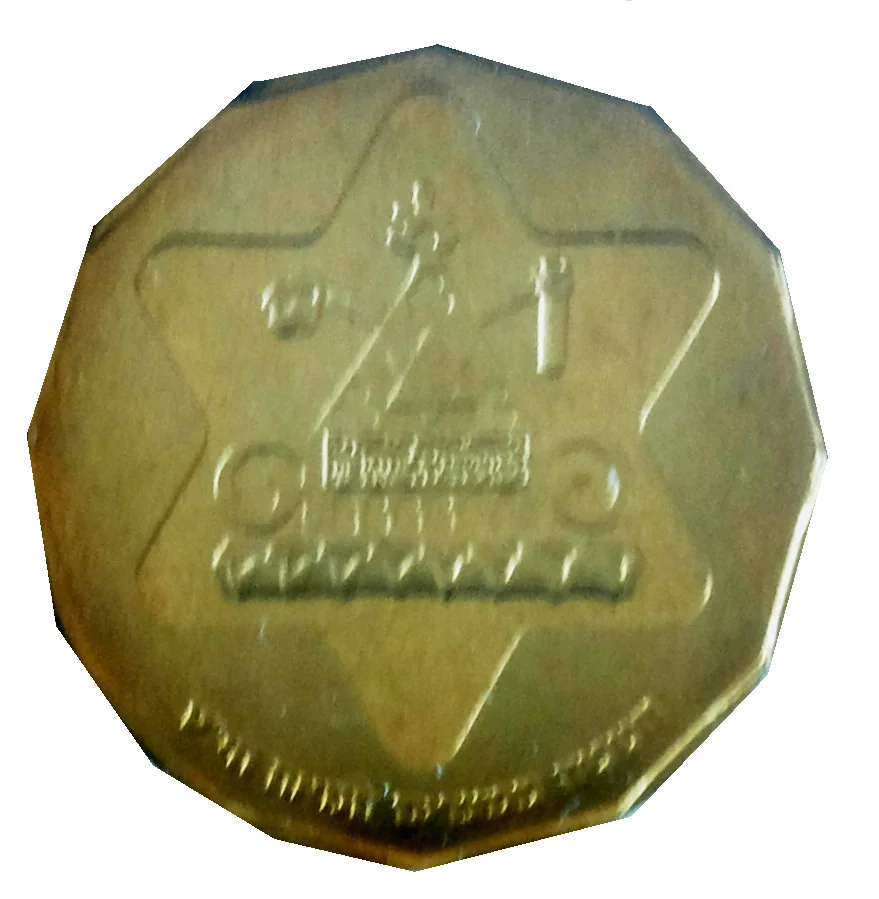
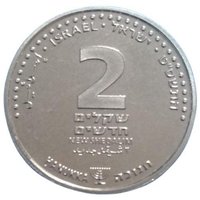
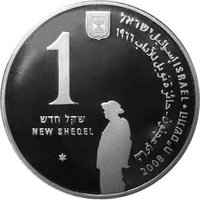
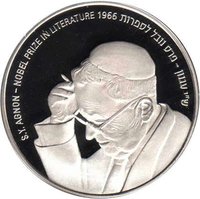
½ New Sheqel – Israel
Israel
Mints
| Name | Mark |
|---|---|
| Royal Dutch Mint | — |
Mintings
| Year | Mint Mark | Mintage | Quality | Collection |
|---|---|---|---|---|
| 2008 | — | 3,000 |
Historical background
In 2008, Israel's currency, the New Israeli Shekel (NIS), was in a period of significant strength and appreciation, a trend that had begun earlier in the decade. This strength was largely driven by robust economic growth, substantial foreign investment inflows, and a series of interest rate hikes by the Bank of Israel aimed at controlling inflation. The shekel's rise was particularly notable against the US dollar, causing concern among Israeli exporters and policymakers, as a strong currency made Israeli goods more expensive and less competitive in international markets.
However, the global financial crisis of 2008 dramatically reversed this trend in the latter half of the year. As the crisis intensified following the collapse of Lehman Brothers, global risk aversion soared, leading to a classic "flight to safety" where investors worldwide pulled capital from emerging markets like Israel and sought refuge in the US dollar and US Treasury bonds. Consequently, the shekel depreciated sharply against the dollar, losing approximately 25% of its value between July and December 2008. This sudden volatility created a challenging environment for the Bank of Israel, which had to balance concerns about inflation with the new risks of economic slowdown and financial instability.
By the year's end, the currency situation reflected a nation in economic transition. The pre-crisis strength had evaporated, exposing the economy to external shocks. In response, the Bank of Israel began a historic shift in policy, initiating a cycle of interest rate cuts and, for the first time, embarking on significant foreign currency purchases in 2008 to build reserves and curb excessive shekel volatility. This laid the groundwork for its future role in actively managing the exchange rate to protect Israel's export-oriented economy.
However, the global financial crisis of 2008 dramatically reversed this trend in the latter half of the year. As the crisis intensified following the collapse of Lehman Brothers, global risk aversion soared, leading to a classic "flight to safety" where investors worldwide pulled capital from emerging markets like Israel and sought refuge in the US dollar and US Treasury bonds. Consequently, the shekel depreciated sharply against the dollar, losing approximately 25% of its value between July and December 2008. This sudden volatility created a challenging environment for the Bank of Israel, which had to balance concerns about inflation with the new risks of economic slowdown and financial instability.
By the year's end, the currency situation reflected a nation in economic transition. The pre-crisis strength had evaporated, exposing the economy to external shocks. In response, the Bank of Israel began a historic shift in policy, initiating a cycle of interest rate cuts and, for the first time, embarking on significant foreign currency purchases in 2008 to build reserves and curb excessive shekel volatility. This laid the groundwork for its future role in actively managing the exchange rate to protect Israel's export-oriented economy.
💎 Extremely Rare