

1 rial – Oman
Add to wishlist
Non-circulating coins
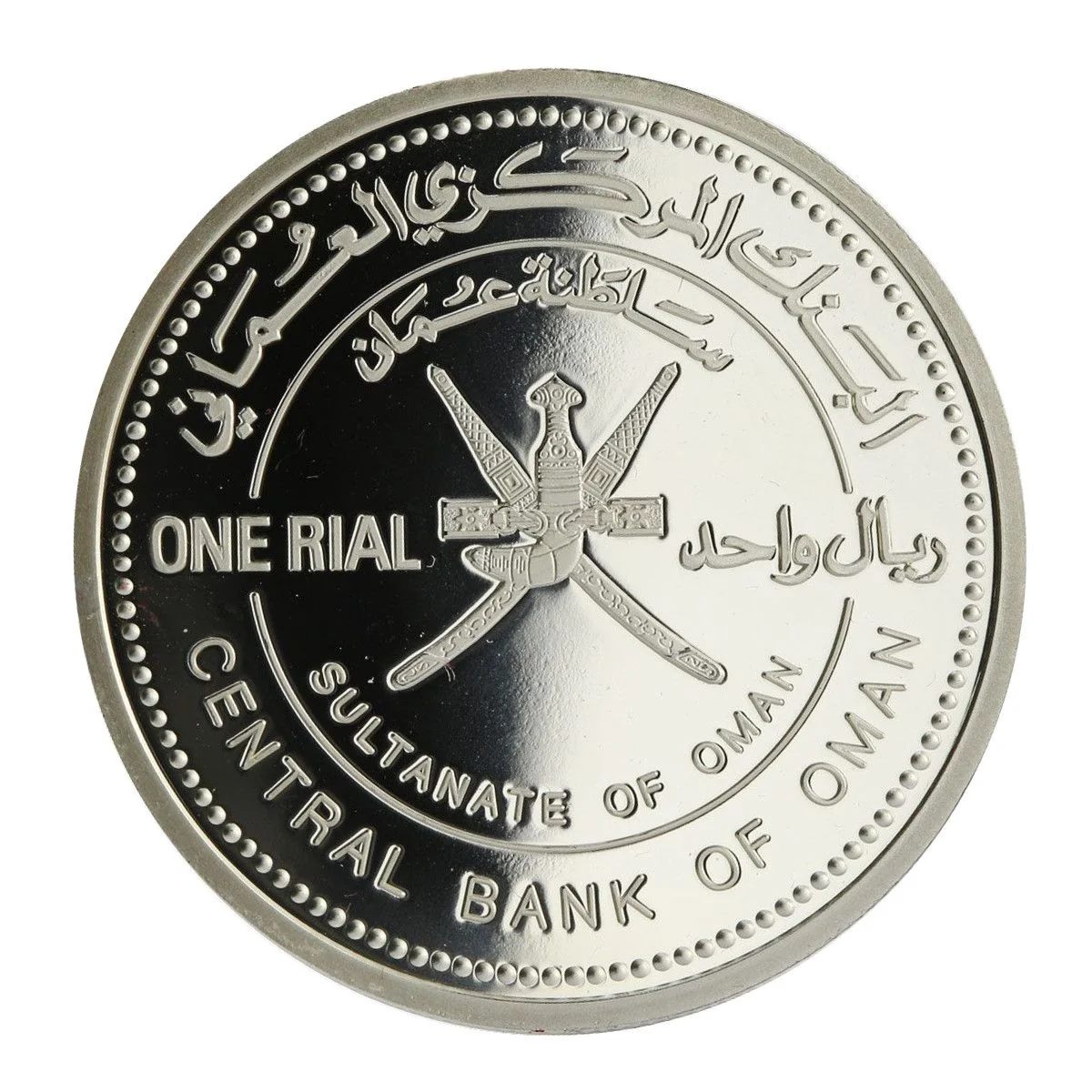
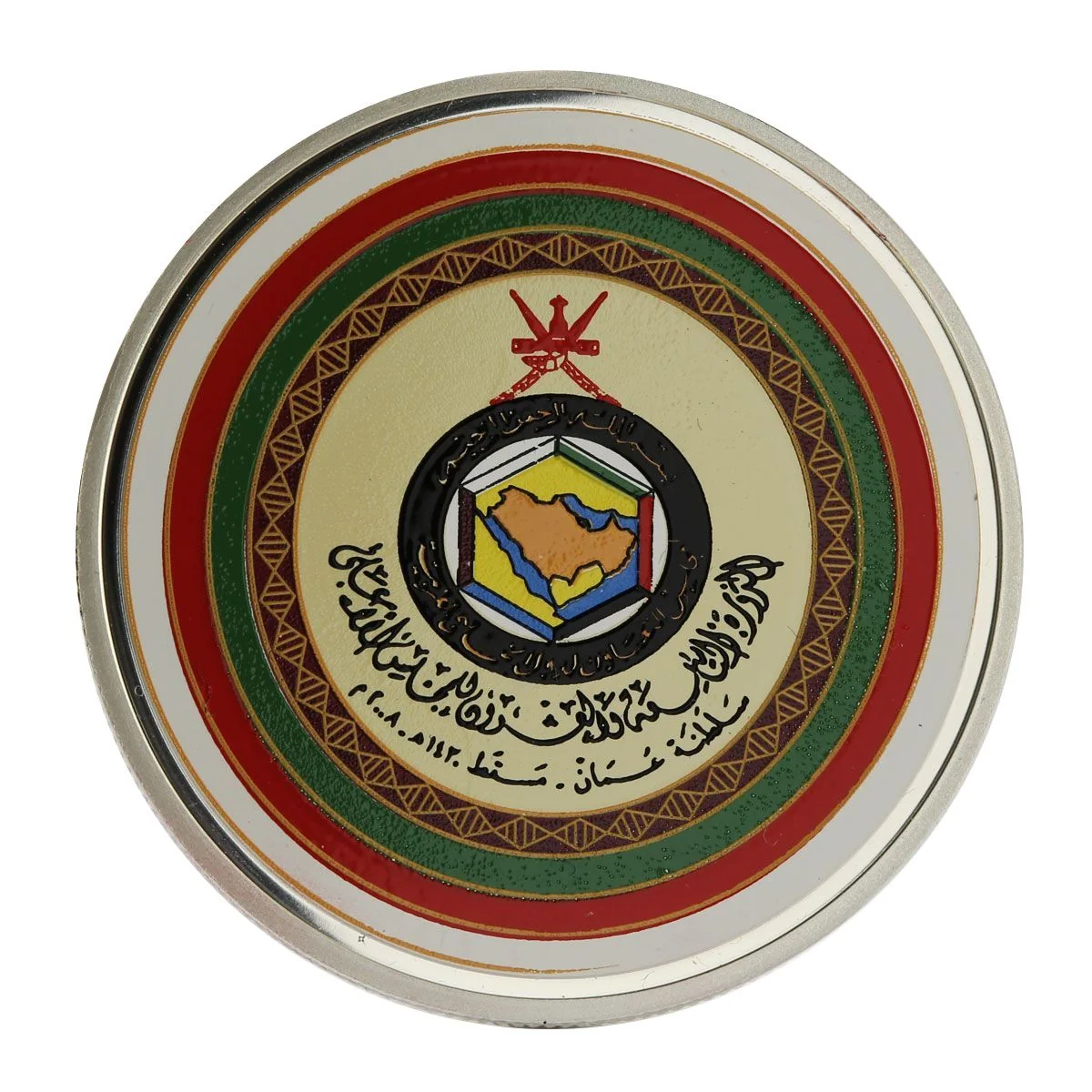
Commemoration: 29th GCC Summit (Muscat - Dec 2008)
Oman
Context
Year: 2008
Islamic (Hijri) Year:: 1430
Issuer: Oman
Issuing organization: Central Bank of Oman
Ruler: Qaboos bin Said
Currency:
(since 1972)
Total mintage: 1,000
Material
References
KM: #
Numista: #103797
Value
Exchange value: 1 OMR
Bullion value: $62.37
Obverse
Reverse
Edge
Categories
| Symbols> Coat of Arms |
Mints
| Name | Mark |
|---|---|
| Huguenin | — |
Mintings
| Year | Mint Mark | Mintage | Quality | Collection |
|---|---|---|---|---|
| 2008 | — | 1,000 |
Historical background
In 2008, Oman's currency situation was defined by its long-standing and firm peg to the US Dollar, set at a fixed rate of 1 Omani Rial = 2.6008 USD. This policy, managed by the Central Bank of Oman (CBO), provided critical stability for the hydrocarbon-dependent economy, anchoring inflation expectations and facilitating predictable trade and investment flows. However, the peg also meant that Oman imported the monetary policy of the United States Federal Reserve, which was engaged in aggressive interest rate cuts throughout 2008 to combat the unfolding global financial crisis. Consequently, Omani interest rates fell in lockstep, reducing the attractiveness of Rial-denominated deposits and contributing to domestic liquidity pressures.
The year presented significant challenges as soaring global oil prices in the first half, peaking above $140 per barrel, fueled rapid economic growth and stoked inflationary pressures, with CPI inflation reaching a decades-high of 12.6% by mid-year. This inflation was exacerbated by the weak dollar policy Oman had to follow, which made imports from non-dollar zones more expensive. The situation shifted dramatically in the latter half of 2008 following the collapse of Lehman Brothers and the ensuing global recession. Oil prices plummeted, easing inflation but raising concerns about fiscal and external balances as government hydrocarbon revenues declined sharply.
Throughout these turbulent market conditions, the Omani government and the CBO maintained an unwavering commitment to the dollar peg, viewing it as a non-negotiable pillar of economic stability. There was no serious debate about devaluation or revaluation, as seen in some neighboring Gulf states. Instead, authorities utilized substantial fiscal surpluses accumulated during the oil boom to maintain spending and support the economy, ensuring the peg's credibility. Thus, 2008 underscored both the vulnerability and the resilience of Oman's pegged currency regime in the face of extreme global commodity and financial shocks.
The year presented significant challenges as soaring global oil prices in the first half, peaking above $140 per barrel, fueled rapid economic growth and stoked inflationary pressures, with CPI inflation reaching a decades-high of 12.6% by mid-year. This inflation was exacerbated by the weak dollar policy Oman had to follow, which made imports from non-dollar zones more expensive. The situation shifted dramatically in the latter half of 2008 following the collapse of Lehman Brothers and the ensuing global recession. Oil prices plummeted, easing inflation but raising concerns about fiscal and external balances as government hydrocarbon revenues declined sharply.
Throughout these turbulent market conditions, the Omani government and the CBO maintained an unwavering commitment to the dollar peg, viewing it as a non-negotiable pillar of economic stability. There was no serious debate about devaluation or revaluation, as seen in some neighboring Gulf states. Instead, authorities utilized substantial fiscal surpluses accumulated during the oil boom to maintain spending and support the economy, ensuring the peg's credibility. Thus, 2008 underscored both the vulnerability and the resilience of Oman's pegged currency regime in the face of extreme global commodity and financial shocks.

✨ Legendary