

20 pesos – Costa Rica
Add to wishlist
Costa Rica
Context
Year: 1873
Issuer: Costa Rica
Period:
(1848—1948)
Currency:
(1863—1896)
Demonetization: 14 August 1900
Total mintage: 100
Material
References
KM: #
Numista: #78710
Value
Bullion value: $4469.43
Obverse
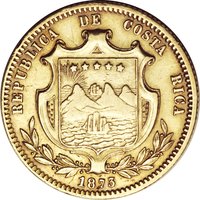
Description:
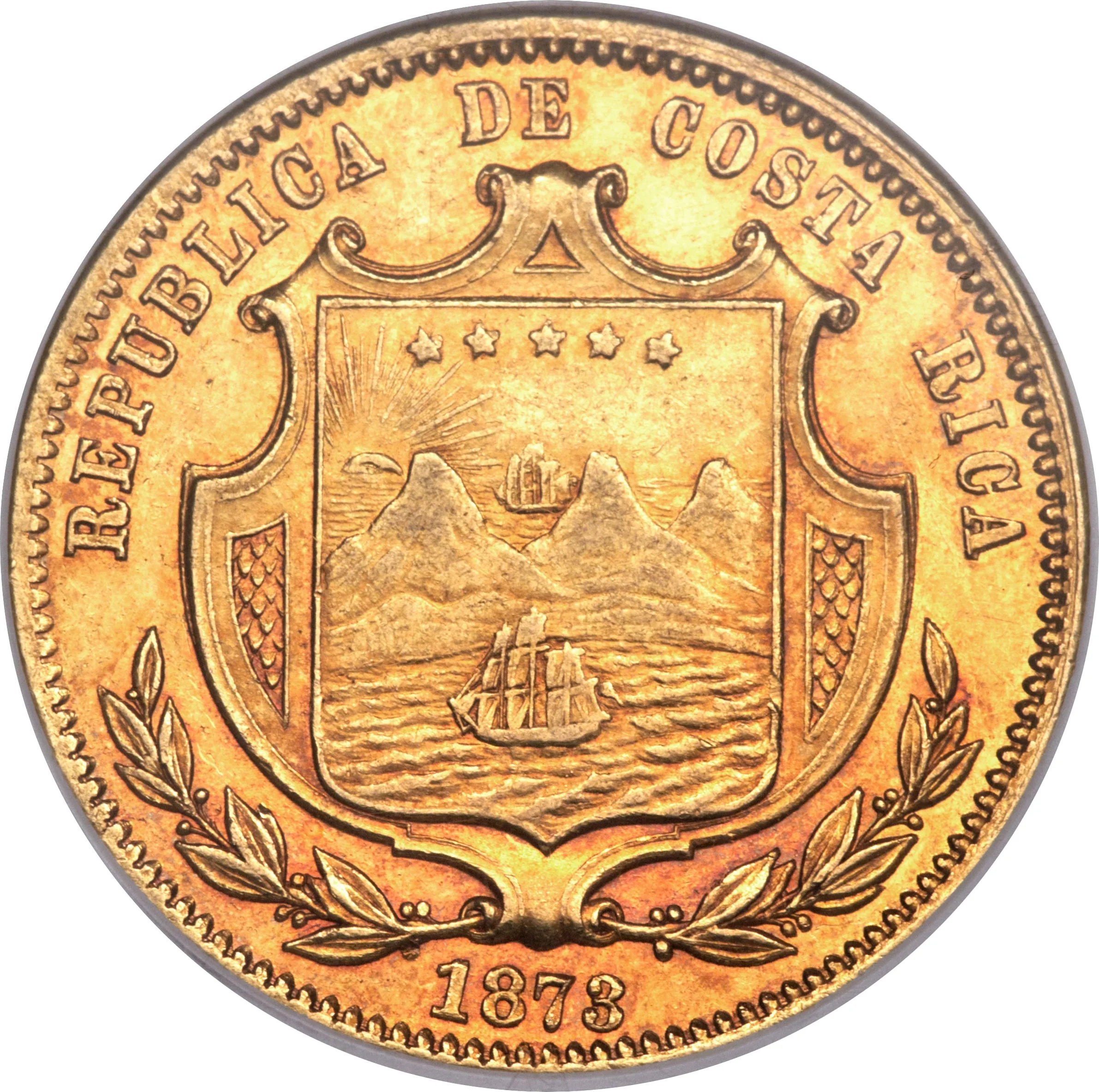
Coat of arms, legend above, date below.
Inscription:
REPUBLICA DE COSTA RICA
1873
1873
Translation:
REPUBLIC OF COSTA RICA
1873
1873
Script: Latin
Language: Spanish
Engraver: Guillermo Witting
Reverse
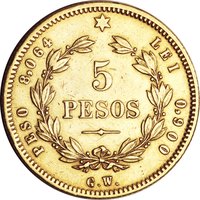
Description:
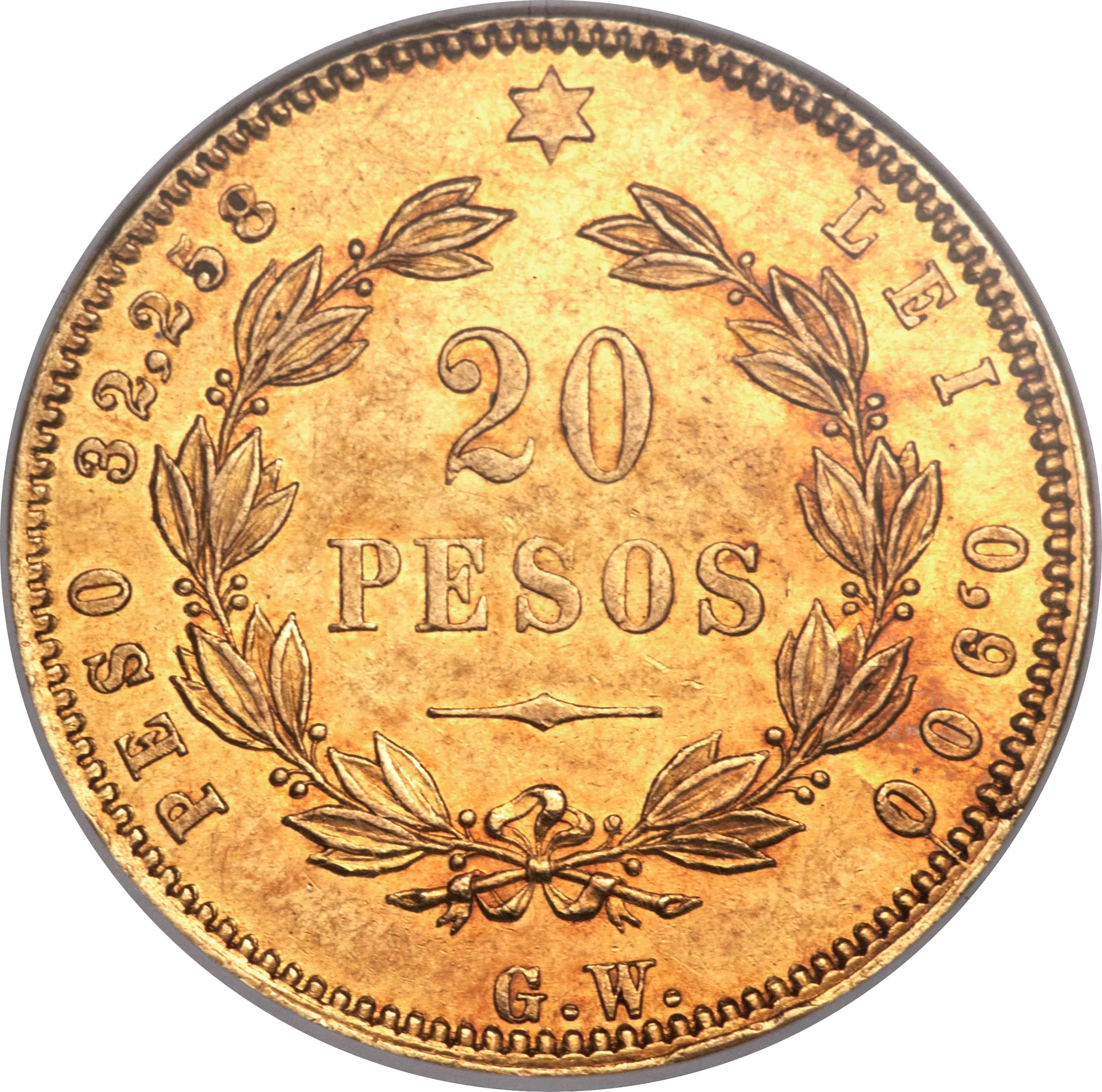
Wreath with value. Star above. Weight and fineness below, flanking assayer's initial.
Inscription:
★
20
PESOS
PESO 32,258 LEI 0,900
G. W.
20
PESOS
PESO 32,258 LEI 0,900
G. W.
Translation:
TWENTY PESOS
PESO 32.258 LEI 0.900
G. W.
PESO 32.258 LEI 0.900
G. W.
Script: Latin
Engraver: Guillermo Witting
Edge
Categories
| Symbols> Coat of Arms |
| Symbol> Wreath |
Mints
| Name | Mark |
|---|---|
| Casa Nacional de Moneda de Costa Rica | — |
Mintings
| Year | Mint Mark | Mintage | Quality | Collection |
|---|---|---|---|---|
| 1873 | — | 100 |
Historical background
In 1873, Costa Rica’s currency system was in a state of significant transition and instability, primarily defined by the circulation of multiple, depreciating silver coins. The official currency was the silver peso, but its value had fallen sharply against gold-standard currencies like the British pound, a critical problem for a nation deeply indebted to foreign creditors. This depreciation was driven by a global phenomenon—the decline in the value of silver relative to gold—which left Costa Rica, like many other nations on a silver standard, struggling with exchange rate volatility and a rising real cost for its gold-denominated foreign debt.
The domestic economy was further complicated by the widespread use of low-value fractional coins, such as the medio (half real) and cuartillo (quarter real), which were essential for daily transactions but often in short supply. This scarcity led to the circulation of privately issued tokens and worn, clipped coins, creating a chaotic and unreliable monetary environment for commerce. The government’s attempts to manage the situation, including a decree in 1871 to introduce a new national coinage, had yet to bring order, leaving the public with little confidence in the money in their pockets.
Consequently, the year 1873 represented a pivotal moment of financial pressure, pushing the government toward a fundamental monetary reform. The persistent fiscal strain from the silver depreciation accelerated discussions about abandoning the silver standard altogether. These debates would culminate just a few years later, in 1896, with the official adoption of the gold standard and the introduction of the colón as the new national currency, marking the end of this turbulent period in Costa Rican monetary history.
The domestic economy was further complicated by the widespread use of low-value fractional coins, such as the medio (half real) and cuartillo (quarter real), which were essential for daily transactions but often in short supply. This scarcity led to the circulation of privately issued tokens and worn, clipped coins, creating a chaotic and unreliable monetary environment for commerce. The government’s attempts to manage the situation, including a decree in 1871 to introduce a new national coinage, had yet to bring order, leaving the public with little confidence in the money in their pockets.
Consequently, the year 1873 represented a pivotal moment of financial pressure, pushing the government toward a fundamental monetary reform. The persistent fiscal strain from the silver depreciation accelerated discussions about abandoning the silver standard altogether. These debates would culminate just a few years later, in 1896, with the official adoption of the gold standard and the introduction of the colón as the new national currency, marking the end of this turbulent period in Costa Rican monetary history.
✨ Legendary