

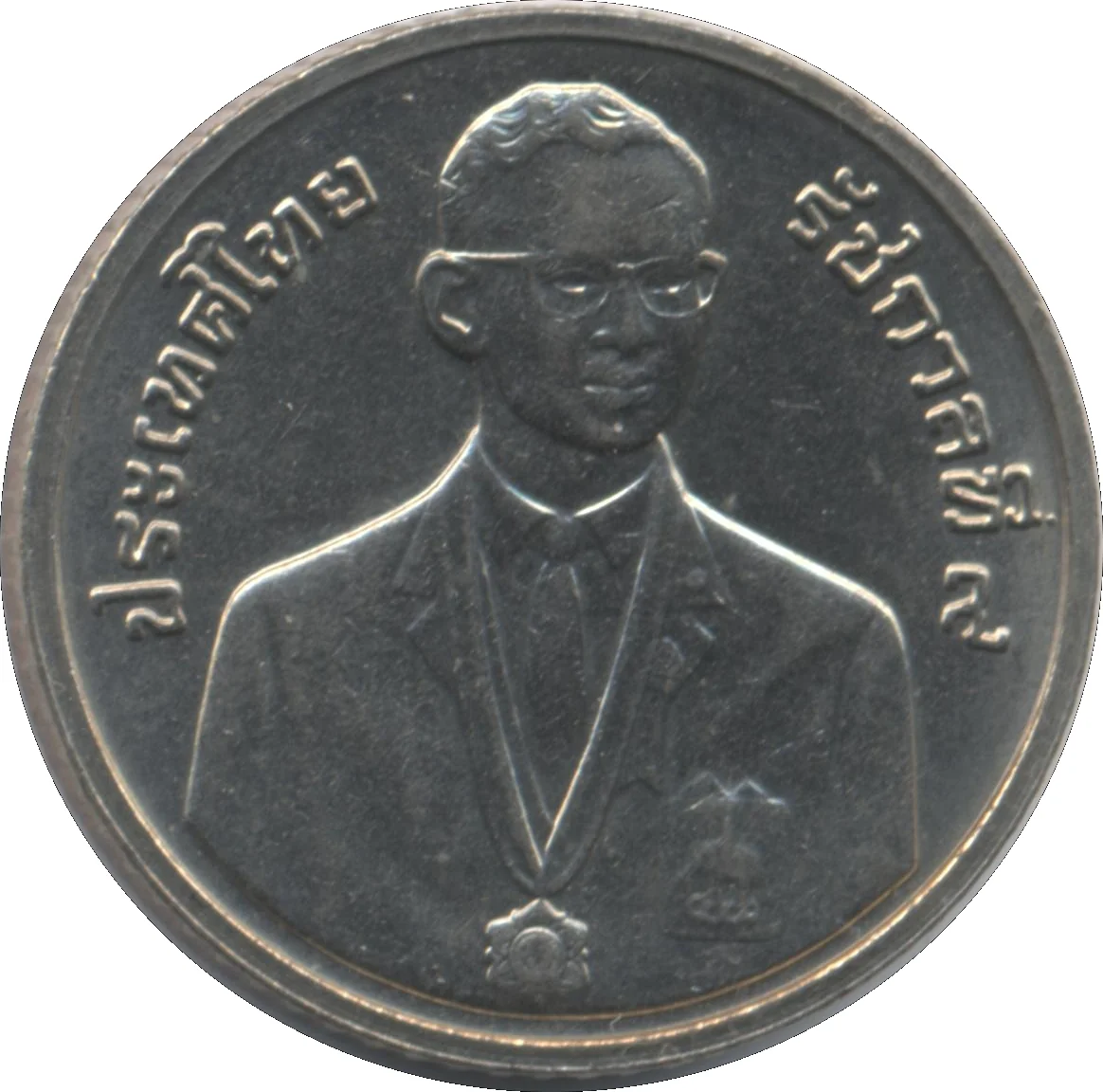
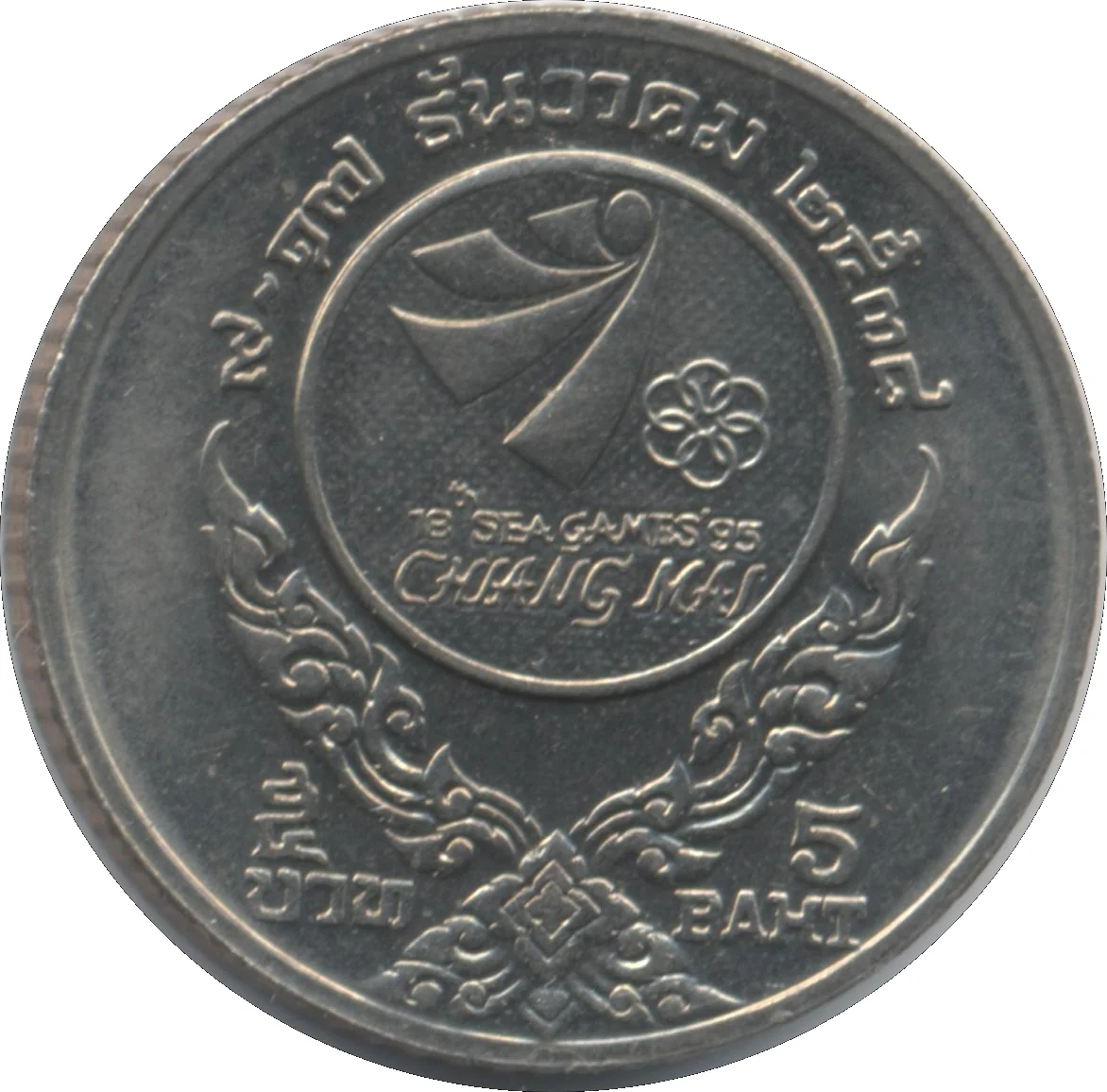
5 bahts – Thailand
Add to wishlist
Circulating commemorative coins
Commemoration: 18th SEA Games
Thailand
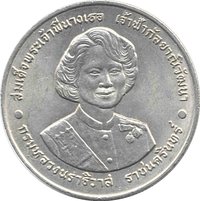
Obverse
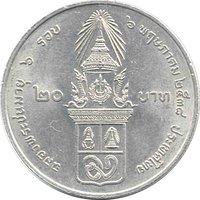
Reverse
Edge
Milled
Mintings
| Year | Mint Mark | Mintage | Quality | Collection |
|---|---|---|---|---|
| 1995 | — | — |
Historical background
In 1995, Thailand's currency, the baht, was at the center of a growing economic storm. Officially pegged to a basket of currencies dominated by the US dollar, the baht maintained a stable exchange rate of approximately 25 baht to the dollar. This fixed peg was a cornerstone of Thailand's economic strategy, fostering a decade of rapid export-led growth and attracting massive foreign investment, particularly into its booming real estate and financial sectors. The stability was perceived as a sign of strength, masking underlying vulnerabilities that were steadily intensifying.
Beneath the surface, however, significant imbalances were accumulating. Thailand's current account deficit had ballooned to over 8% of GDP, financed by large, short-term capital inflows. Much of this foreign money was borrowed in US dollars by Thai banks and finance companies, creating a dangerous currency mismatch. The country's export competitiveness was also eroding, partly due to the dollar-peg making Thai goods more expensive as the dollar strengthened against the yen and other regional currencies following the 1995 Plaza Accord. This export slowdown put direct pressure on the sustainability of the fixed exchange rate regime.
By the end of 1995, speculative pressures against the baht began to mount. International hedge funds and other market participants started to question the Bank of Thailand's ability to defend the peg, given the dwindling foreign exchange reserves used to maintain it. While a full-blown crisis would not erupt until July 1997, the conditions for the "Tom Yum Goong" crisis were firmly in place by 1995. The year represented the precarious calm before the storm, where the rigid currency policy, massive external debts, and an overinflated asset bubble had set the stage for a devastating financial collapse.
Beneath the surface, however, significant imbalances were accumulating. Thailand's current account deficit had ballooned to over 8% of GDP, financed by large, short-term capital inflows. Much of this foreign money was borrowed in US dollars by Thai banks and finance companies, creating a dangerous currency mismatch. The country's export competitiveness was also eroding, partly due to the dollar-peg making Thai goods more expensive as the dollar strengthened against the yen and other regional currencies following the 1995 Plaza Accord. This export slowdown put direct pressure on the sustainability of the fixed exchange rate regime.
By the end of 1995, speculative pressures against the baht began to mount. International hedge funds and other market participants started to question the Bank of Thailand's ability to defend the peg, given the dwindling foreign exchange reserves used to maintain it. While a full-blown crisis would not erupt until July 1997, the conditions for the "Tom Yum Goong" crisis were firmly in place by 1995. The year represented the precarious calm before the storm, where the rigid currency policy, massive external debts, and an overinflated asset bubble had set the stage for a devastating financial collapse.
🌱 Fairly Common