

1⁄12 shilling – Jersey
Add to wishlist
Context
Years: 1923–1926
Country: British Crown dependencies
Issuer: Jersey
Ruler: George V
Currency:
(1813—1971)
Demonetization: 27 December 1971
Total mintage: 384,000
Material
References
KM: #
Numista: #7391
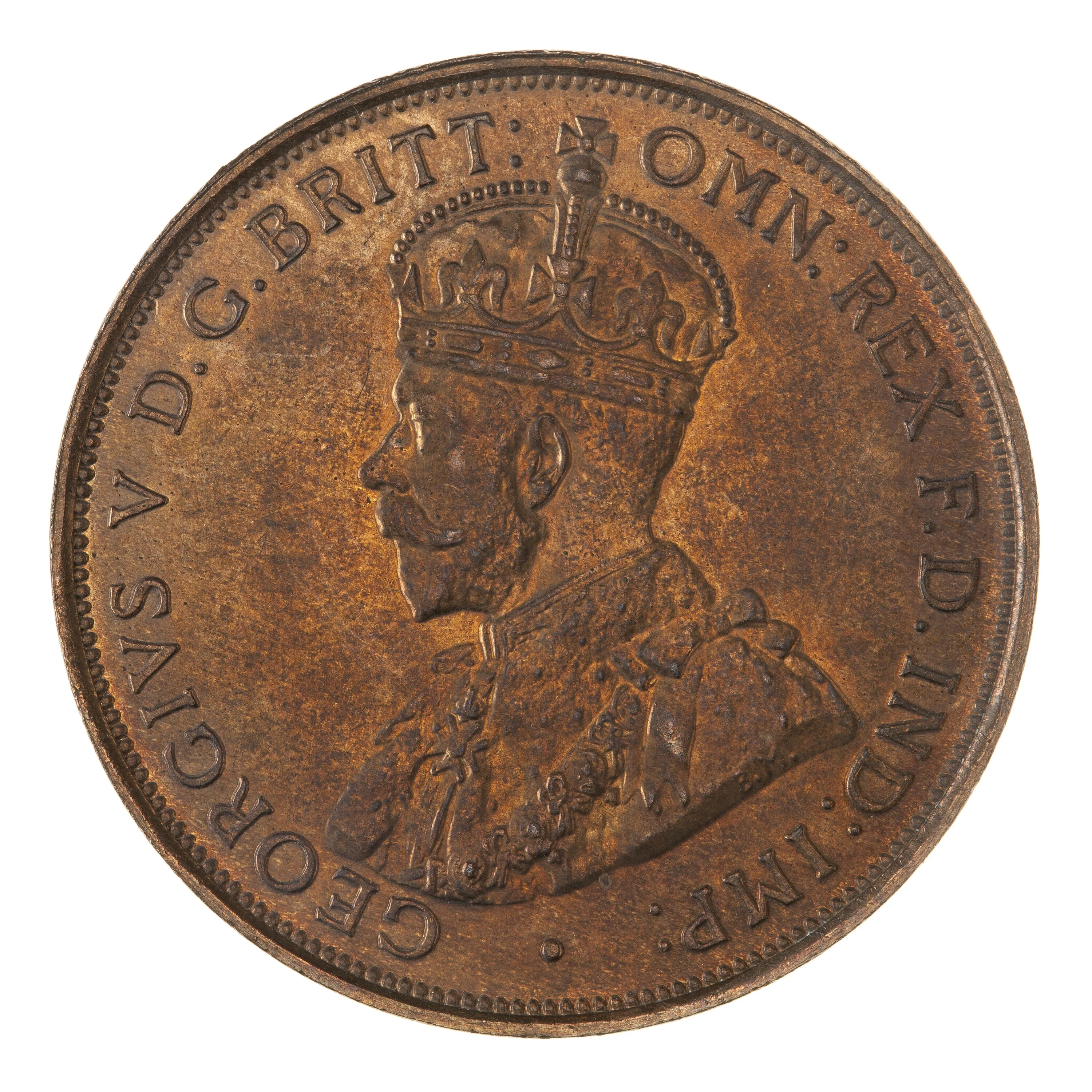
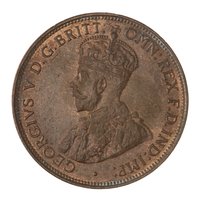
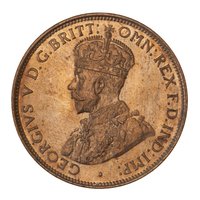
Obverse
Description:
King George V crowned profile left.
Inscription:
· GEORGIVS V D.G.BRITT: OMN:REX F.D.IND:IMP:
Translation:
George V, by the Grace of God, King of all the Britains, Defender of the Faith, Emperor of India.
Script: Latin
Language: Latin
Engraver: Edgar Bertram MacKennal
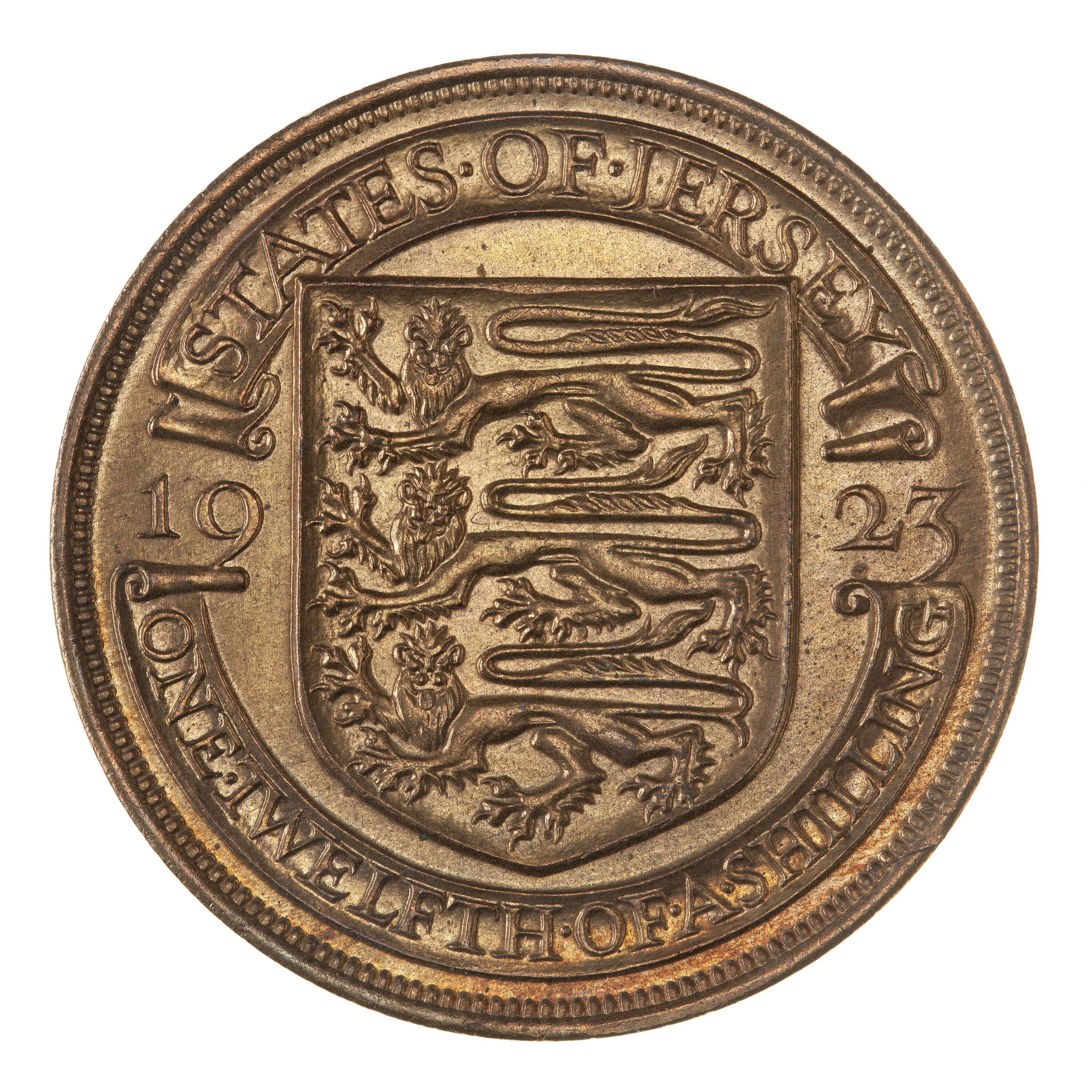
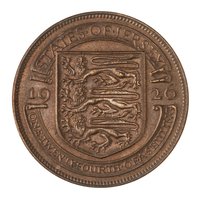
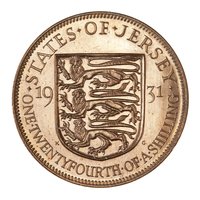
Reverse
Description:
Shield with date and legend banners.
Inscription:
STATES·OF·JERSEY
19 23
ONE·TWELFTH·OF·A·SHILLING
19 23
ONE·TWELFTH·OF·A·SHILLING
Script: Latin
Engraver: George Kruger Gray
Edge
Plain
Mints
| Name | Mark |
|---|---|
| Royal Mint (Tower Hill) | — |
Mintings
| Year | Mint Mark | Mintage | Quality | Collection |
|---|---|---|---|---|
| 1923 | — | 301,200 | ||
| 1926 | — | 82,800 |
Historical background
In 1923, the currency situation in Jersey was defined by a pragmatic and locally controlled system, operating independently from the formal monetary policies of the United Kingdom. Although politically loyal to the British Crown, the island had long issued its own banknotes through authorised local banks to ensure a reliable supply of money tailored to its small economy. These Jersey notes were denominated in pounds sterling and were legally required to be fully backed by sterling deposits held in London, creating a strict currency board arrangement that maintained parity with the British pound.
This system emerged from necessity. The British government did not supply sufficient quantities of its own banknotes to meet the island's needs, and Jersey's authorities were keen to avoid the monetary instability that had affected other regions. The year 1923 fell within a period of relative stability for this arrangement, with notes issued by banks such as the Jersey Banking Company and the Jersey Savings Bank circulating alongside British gold sovereigns, silver coinage, and UK Treasury notes. There was no central bank; regulation was overseen by the Jersey States, the island's government.
The backdrop to this local stability was a wider context of post-war economic adjustment in Britain, including the UK's return to the gold standard in 1925. Jersey's currency board system effectively insulated the island from direct inflationary or deflationary pressures emanating from London, as the quantity of local notes in circulation was directly tied to the island's export earnings and sterling reserves. This successful model of a fixed, fully backed currency provided continuity and confidence, laying the groundwork for the eventual consolidation of note-issuing authority under the States of Jersey itself in later decades.
This system emerged from necessity. The British government did not supply sufficient quantities of its own banknotes to meet the island's needs, and Jersey's authorities were keen to avoid the monetary instability that had affected other regions. The year 1923 fell within a period of relative stability for this arrangement, with notes issued by banks such as the Jersey Banking Company and the Jersey Savings Bank circulating alongside British gold sovereigns, silver coinage, and UK Treasury notes. There was no central bank; regulation was overseen by the Jersey States, the island's government.
The backdrop to this local stability was a wider context of post-war economic adjustment in Britain, including the UK's return to the gold standard in 1925. Jersey's currency board system effectively insulated the island from direct inflationary or deflationary pressures emanating from London, as the quantity of local notes in circulation was directly tied to the island's export earnings and sterling reserves. This successful model of a fixed, fully backed currency provided continuity and confidence, laying the groundwork for the eventual consolidation of note-issuing authority under the States of Jersey itself in later decades.
🌱 Common