

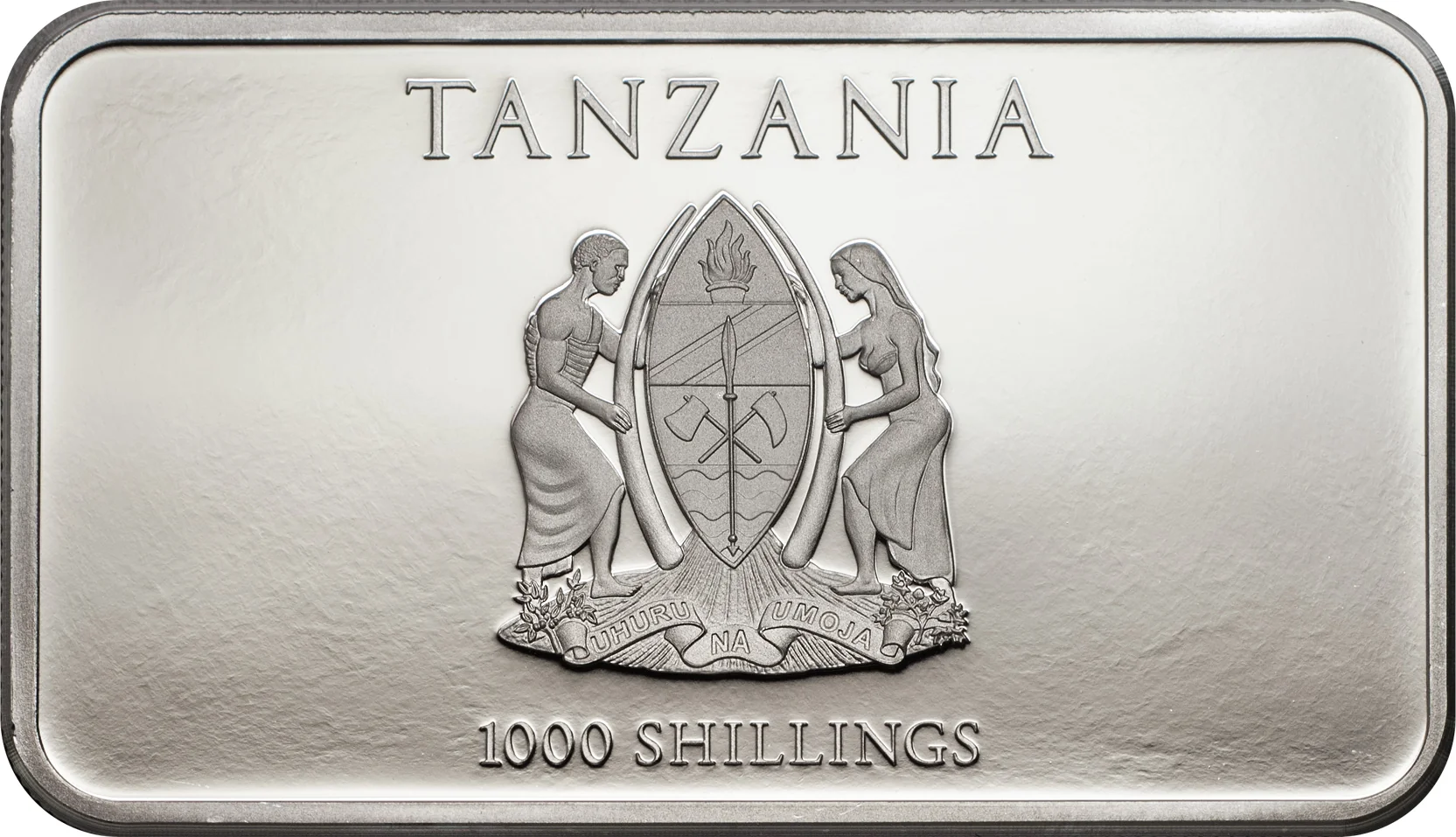

1000 shilingi – Tanzania
Add to wishlist
Non-circulating coins
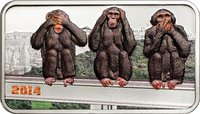
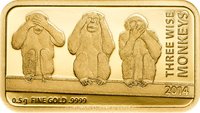
Commemoration: The Three Wise Monkeys
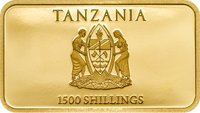
Tanzania
Context
Material
Weight: 31.11 g
Silver Weight:: 31.08 g
Shape: Rectangular
Composition: 99.9% Silver
Standard: Silver ounce
Magnetic: No
Alignment: Medal alignment
flip
References
KM: #
Numista: #73042
Value
Exchange value: 1000 TZS
Bullion value: $78.80
Obverse
Reverse
Edge
Reeded
Categories
| Animal> Primate |
| Symbols> Coat of Arms |
Mints
| Name | Mark |
|---|---|
| Royal Mint | — |
Mintings
| Year | Mint Mark | Mintage | Quality | Collection |
|---|---|---|---|---|
| 2014 | — | 1,888 | Proof |
Historical background
In 2014, Tanzania's currency, the Tanzanian Shilling (TZS), faced significant depreciation pressures, continuing a trend from the previous year. The shilling weakened against major currencies, particularly the US Dollar, with the exchange rate moving from approximately TZS 1,600 per USD at the start of the year to over TZS 1,800 by year's end. This depreciation was primarily driven by a widening current account deficit, fueled by high imports of capital goods for infrastructure projects and a decline in traditional export earnings, notably from gold. The situation was compounded by reduced tourism revenues following the Ebola outbreak in West Africa, which negatively affected travel across the continent despite Tanzania being Ebola-free.
The Bank of Tanzania (BoT) responded with a mix of monetary policy interventions to stabilize the currency and curb inflation. These measures included tightening liquidity by increasing reserve requirements for banks and actively selling US dollars from its foreign exchange reserves. The central bank aimed to smooth volatility and anchor expectations, but these actions also drew some criticism for depleting reserves. Inflation remained relatively contained for much of the year, staying within the BoT's single-digit target, though it began to creep upward towards the end of 2014 as the pass-through effects of the weaker shilling on import prices started to materialize.
Overall, the 2014 currency situation highlighted Tanzania's external vulnerabilities and the challenges of managing exchange rate stability in the face of structural trade imbalances. The pressure on the shilling underscored the economy's dependence on imports and volatile commodity exports, prompting ongoing discussions about the need for diversification and export-led growth. While the BoT's interventions provided short-term stability, the year ended with a weaker currency setting the stage for continued macroeconomic management challenges into 2015.
The Bank of Tanzania (BoT) responded with a mix of monetary policy interventions to stabilize the currency and curb inflation. These measures included tightening liquidity by increasing reserve requirements for banks and actively selling US dollars from its foreign exchange reserves. The central bank aimed to smooth volatility and anchor expectations, but these actions also drew some criticism for depleting reserves. Inflation remained relatively contained for much of the year, staying within the BoT's single-digit target, though it began to creep upward towards the end of 2014 as the pass-through effects of the weaker shilling on import prices started to materialize.
Overall, the 2014 currency situation highlighted Tanzania's external vulnerabilities and the challenges of managing exchange rate stability in the face of structural trade imbalances. The pressure on the shilling underscored the economy's dependence on imports and volatile commodity exports, prompting ongoing discussions about the need for diversification and export-led growth. While the BoT's interventions provided short-term stability, the year ended with a weaker currency setting the stage for continued macroeconomic management challenges into 2015.
💎 Extremely Rare