

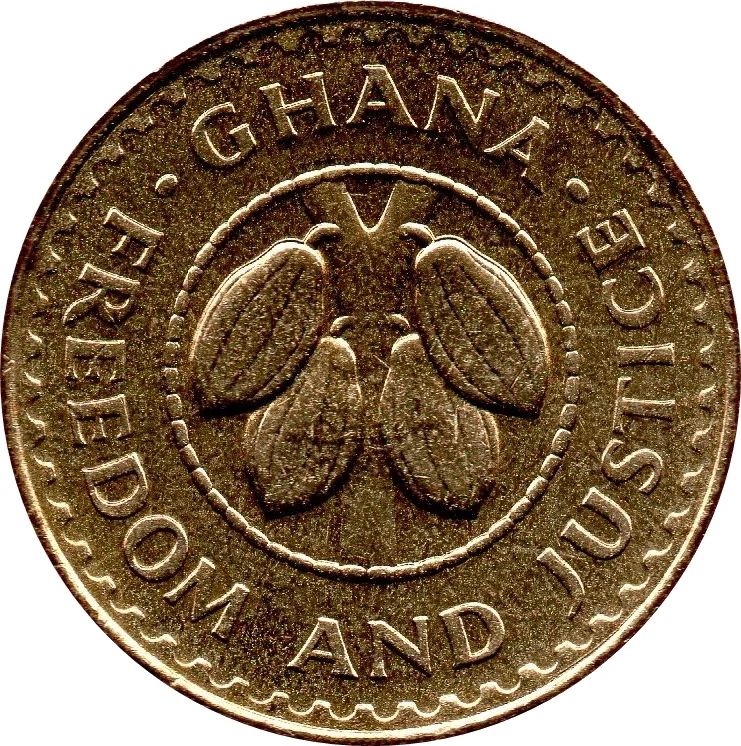
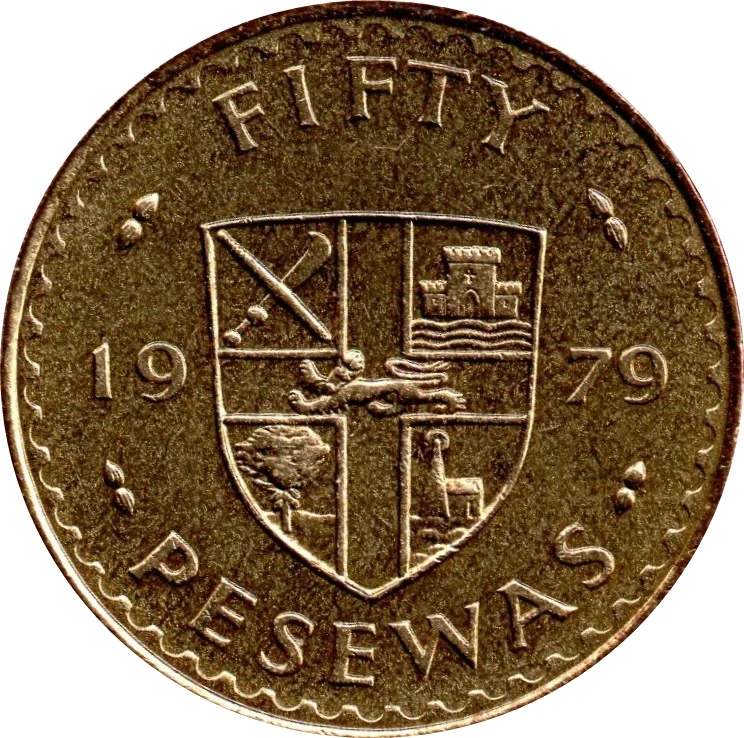
50 pesewas – Ghana
Add to wishlist
Circulating commemorative coins
Commemoration: F.A.O.
Ghana
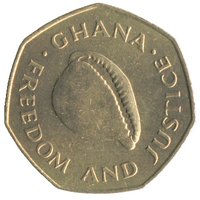
Obverse
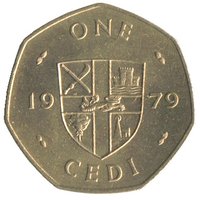
Reverse
Edge
Milled
Categories
| Animal> Feline |
| Building> Castle or fortification |
| Organization> FAO |
| Plant> Fruit |
| Plant> Tree |
| Industry |
| Symbols> Coat of Arms |
| Object> Cold weapons |
Mints
| Name | Mark |
|---|---|
| Royal Mint | — |
Mintings
| Year | Mint Mark | Mintage | Quality | Collection |
|---|---|---|---|---|
| 1979 | — | 40,000,000 |
Historical background
In 1979, Ghana's currency situation was dire, emblematic of a nation in profound economic and political crisis. The country was grappling with the legacy of decades of mismanagement, including the overvaluation of the cedi, rampant inflation, and severe shortages of basic goods. A thriving black market for foreign exchange, where the cedi traded at a fraction of its official rate, had become the real economy, undermining government authority and crippling formal trade. This monetary chaos was both a cause and a symptom of the deep social unrest that characterized the period.
The year was dominated by the political upheaval of the June 4th Revolution, led by Flight Lieutenant Jerry Rawlings. His Armed Forces Revolutionary Council (AFRC) seized power, citing corruption and economic injustice as its core motivations. As part of its "house-cleaning" exercise, the new regime directly linked the nation's economic decay to currency malpractice, publicly executing former heads of state and senior officials for corruption, including charges related to illicit foreign exchange dealings. This brutal campaign underscored how the currency crisis was not merely an economic issue but a life-and-death political one.
Ultimately, the currency instability of 1979 set the stage for a drastic monetary reform the following year. While the AFRC's rule was brief, handing over to a civilian government in September, it exposed the unsustainable fiction of the official exchange rate. In 1980, the new government would be forced to implement a major currency redenomination, introducing a "new cedi" (¢) at a rate of 1:10,000 old cedis in a largely symbolic attempt to restore confidence. However, without addressing fundamental structural issues, this move provided only temporary relief, as Ghana's economic woes and currency depreciation would continue into the next decade.
The year was dominated by the political upheaval of the June 4th Revolution, led by Flight Lieutenant Jerry Rawlings. His Armed Forces Revolutionary Council (AFRC) seized power, citing corruption and economic injustice as its core motivations. As part of its "house-cleaning" exercise, the new regime directly linked the nation's economic decay to currency malpractice, publicly executing former heads of state and senior officials for corruption, including charges related to illicit foreign exchange dealings. This brutal campaign underscored how the currency crisis was not merely an economic issue but a life-and-death political one.
Ultimately, the currency instability of 1979 set the stage for a drastic monetary reform the following year. While the AFRC's rule was brief, handing over to a civilian government in September, it exposed the unsustainable fiction of the official exchange rate. In 1980, the new government would be forced to implement a major currency redenomination, introducing a "new cedi" (¢) at a rate of 1:10,000 old cedis in a largely symbolic attempt to restore confidence. However, without addressing fundamental structural issues, this move provided only temporary relief, as Ghana's economic woes and currency depreciation would continue into the next decade.
🌱 Common