

1 kreuzer – Hungary
Add to wishlist
Hungary
Context
Years: 1878–1888
Issuer: Hungary
Ruler: Francis Joseph I
Currency:
(1857—1892)
Demonetized: Yes
Total mintage: 121,747,000
Material
References
KM: #
Numista: #7206
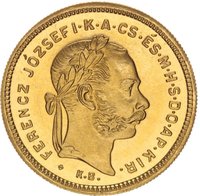
Obverse
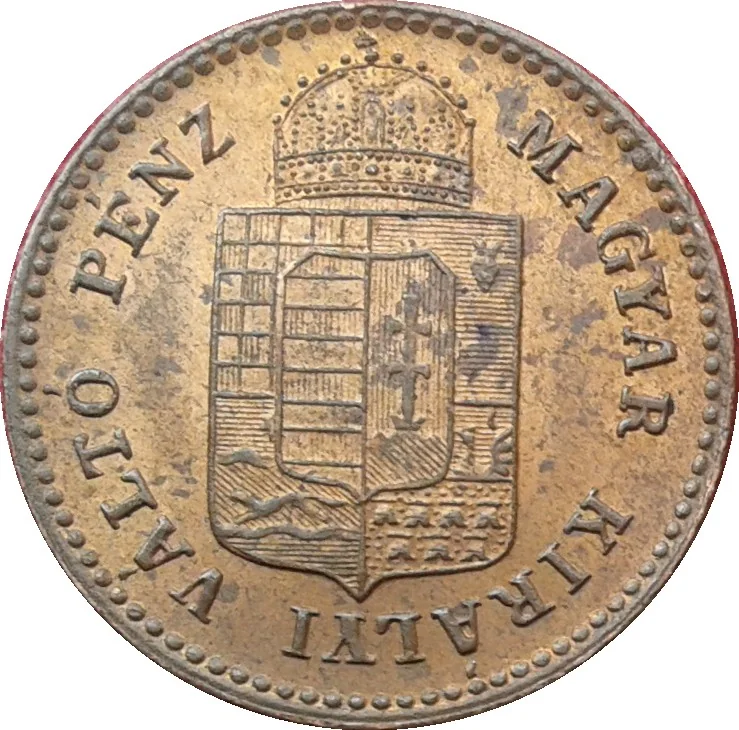
Description:
Royal Arms
Inscription:
MAGYAR KIRÁLYI VÁLTÓ PENZ
Translation:
Royal Hungarian Exchange Coin
Script: Latin
Language: Hungarian
Engraver: Alexander Mayer
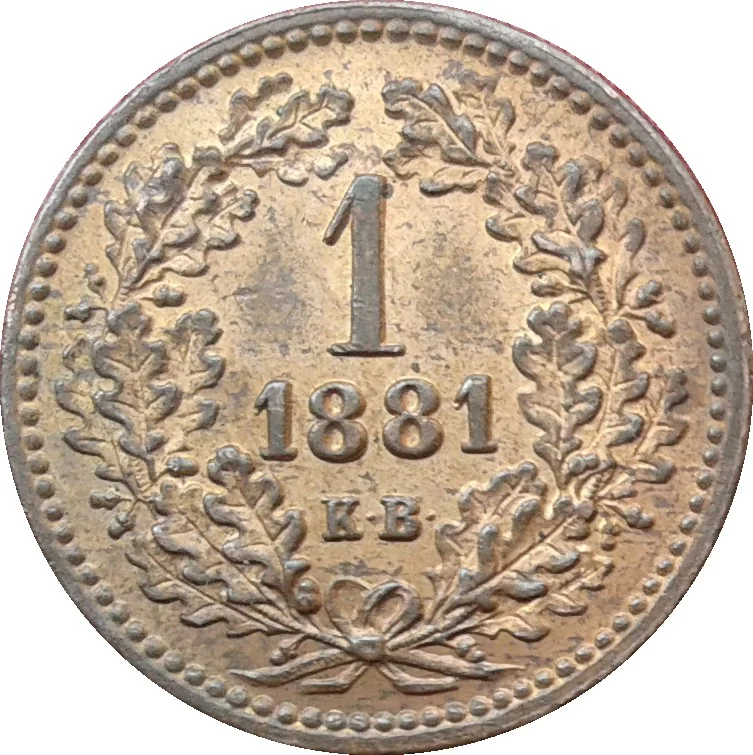
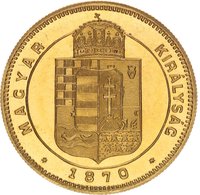
Reverse
Edge
Plain
Mints
| Name | Mark |
|---|---|
| Kremnica | KB |
Mintings
Historical background
In 1878, Hungary operated within the dual monetary system of the Austro-Hungarian Empire, established by the Compromise of 1867. The official currency was the Austro-Hungarian gulden (or florin), which was shared with Austria and managed by the Austro-Hungarian Bank, headquartered in Vienna. This arrangement meant Hungary did not have independent control over its monetary policy, a point of ongoing political contention for Hungarian nationalists who sought greater economic autonomy and the establishment of a separate Hungarian central bank.
Economically, the late 1870s were a period of transition and pressure on the gulden. The empire was on a silver standard, but the global phenomenon of the "Long Depression" and the dramatic fall in the price of silver following Germany's shift to a gold standard in 1871 had created instability. The value of the silver gulden fluctuated significantly against gold-based currencies, disrupting trade and state finances. This instability prompted serious internal debates within the empire about following the rest of Europe in adopting a gold standard to modernize the economy and attract foreign investment.
Consequently, 1878 fell within a crucial preparatory period for a major monetary reform. While the formal switch to the gold-based korona would not occur until 1892, the foundational political and economic discussions were actively underway. The Hungarian political elite, while pushing for greater national financial institutions, largely agreed on the necessity of the gold standard for economic progress, setting the stage for the transformative change that would define the region's finances at the turn of the century.
Economically, the late 1870s were a period of transition and pressure on the gulden. The empire was on a silver standard, but the global phenomenon of the "Long Depression" and the dramatic fall in the price of silver following Germany's shift to a gold standard in 1871 had created instability. The value of the silver gulden fluctuated significantly against gold-based currencies, disrupting trade and state finances. This instability prompted serious internal debates within the empire about following the rest of Europe in adopting a gold standard to modernize the economy and attract foreign investment.
Consequently, 1878 fell within a crucial preparatory period for a major monetary reform. While the formal switch to the gold-based korona would not occur until 1892, the foundational political and economic discussions were actively underway. The Hungarian political elite, while pushing for greater national financial institutions, largely agreed on the necessity of the gold standard for economic progress, setting the stage for the transformative change that would define the region's finances at the turn of the century.

🌱 Common