

1 Dollar – Hong Kong
China
Context
Years: 1971–1975
Country: China 
Issuer: Hong Kong 
Ruler: Elizabeth II
Currency:
(since 1863)
Demonetization: 1 January 1978
Total mintage: 84,625,000
Material
References
KM: #Click to copy to clipboard35
Numista: #7205
Value
Exchange value: 1 HKD = $0.13
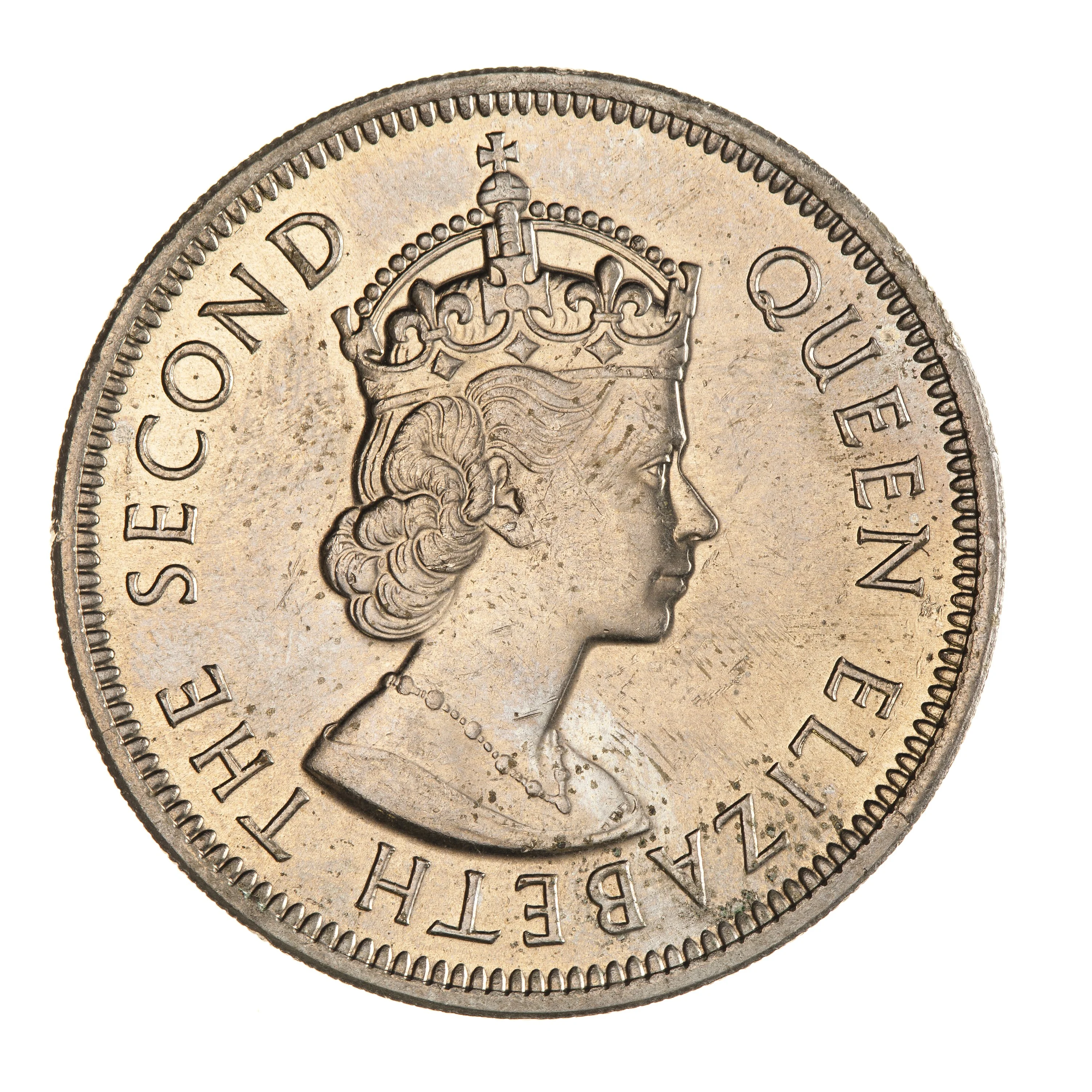
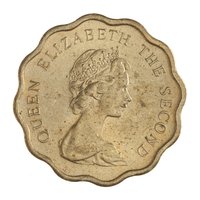
Obverse
Description:
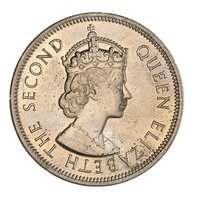
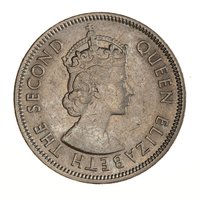
Right-facing crowned bust.
Inscription:
QUEEN ELIZABETH THE SECOND
Script: Latin
Engraver: Cecil Thomas
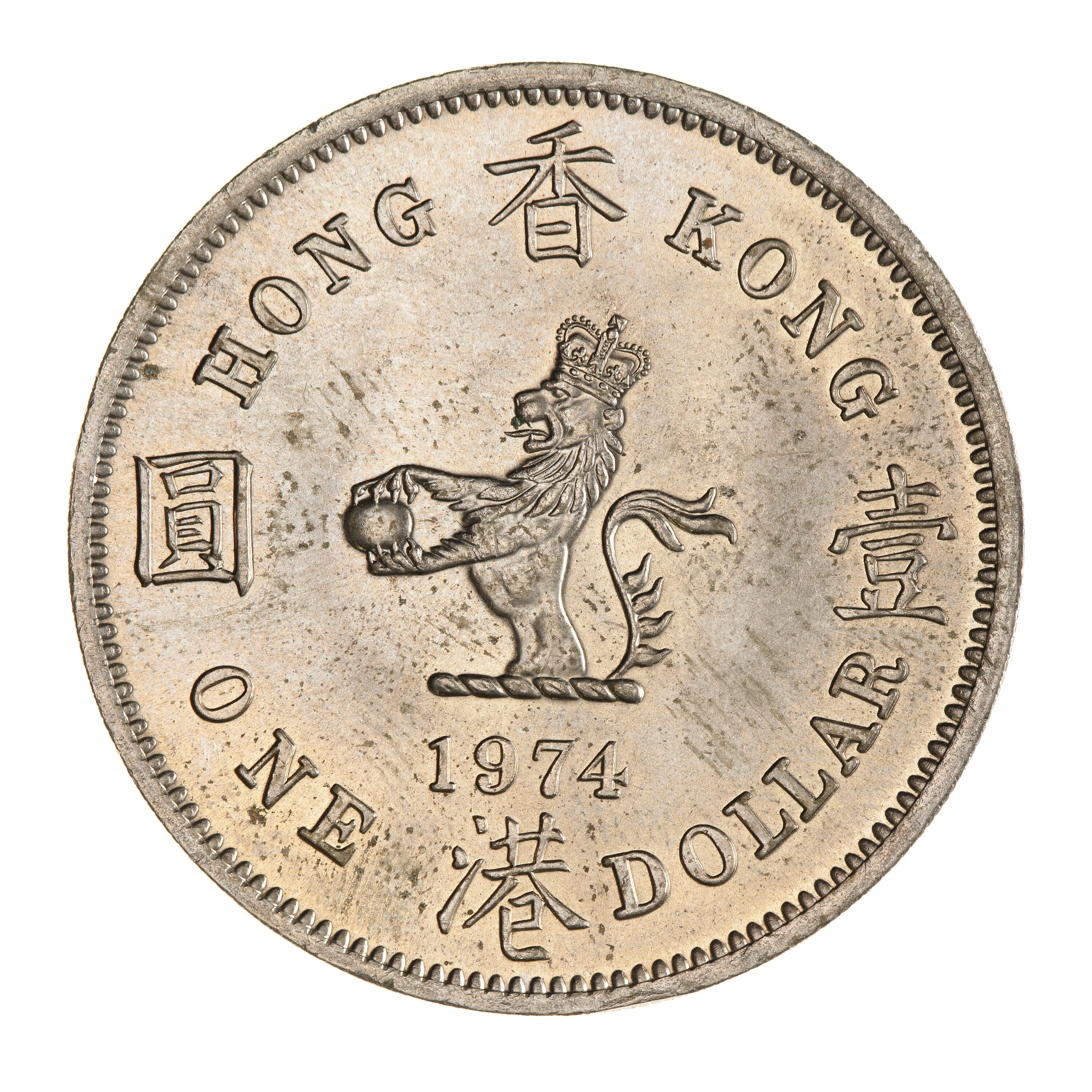
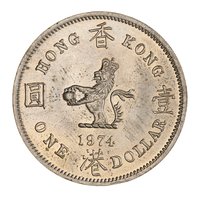
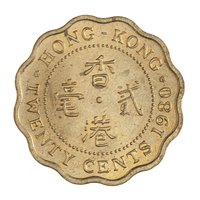
Reverse
Edge
Reeded
Mints
| Name | Mark |
|---|---|
| Royal Mint | — |
| Heaton and Sons / The Mint Birmingham | H |
Mintings
| Year | Mint Mark | Mintage | Quality | Collection |
|---|---|---|---|---|
| 1971 | H | 8,000,000 | ||
| 1972 | — | 20,000,000 | ||
| 1973 | — | 8,125,000 | ||
| 1974 | — | 26,000,000 | ||
| 1975 | — | 22,500,000 |
Historical background
In 1971, Hong Kong's currency situation was fundamentally shaped by its colonial status under British administration and its deep integration into the global trading system. The Hong Kong dollar was pegged to the British pound sterling, a fixed exchange rate arrangement established in 1935. This link provided stability for a territory whose economy was heavily reliant on entrepôt trade and finance, ensuring confidence in the local currency by anchoring it to a major international reserve currency. The system operated through the Currency Board system, where the issuance of Hong Kong dollars was fully backed by sterling reserves held in London.
The stability of this arrangement was abruptly challenged in 1971 by international monetary turmoil. In August of that year, U.S. President Richard Nixon suspended the convertibility of the US dollar into gold, effectively ending the Bretton Woods system of fixed exchange rates. This "Nixon Shock" caused major currency realignments globally and put immediate pressure on the pound sterling. In response, in December 1971, the Smithsonian Agreement revalued major currencies against the US dollar. Consequently, the Hong Kong dollar was officially revalued against the pound, moving from HK$14.55 to HK$14.50 per £1, while its US dollar peg shifted from HK$5.65 to HK$5.58 per US$1.
Despite this adjustment, 1971 marked the beginning of the end for the sterling peg. The underlying weakness of the British economy and the pound's subsequent volatility in the wake of the Smithsonian Agreement sowed doubt about the suitability of the sterling anchor for Hong Kong's increasingly independent economic trajectory. The pressures exposed in 1971 would culminate just a few years later, when in 1972—following the pound's decision to float—Hong Kong severed its direct link to sterling and briefly pegged to the US dollar, beginning a period of monetary experimentation that would eventually lead to the modern linked exchange rate system established in 1983.
The stability of this arrangement was abruptly challenged in 1971 by international monetary turmoil. In August of that year, U.S. President Richard Nixon suspended the convertibility of the US dollar into gold, effectively ending the Bretton Woods system of fixed exchange rates. This "Nixon Shock" caused major currency realignments globally and put immediate pressure on the pound sterling. In response, in December 1971, the Smithsonian Agreement revalued major currencies against the US dollar. Consequently, the Hong Kong dollar was officially revalued against the pound, moving from HK$14.55 to HK$14.50 per £1, while its US dollar peg shifted from HK$5.65 to HK$5.58 per US$1.
Despite this adjustment, 1971 marked the beginning of the end for the sterling peg. The underlying weakness of the British economy and the pound's subsequent volatility in the wake of the Smithsonian Agreement sowed doubt about the suitability of the sterling anchor for Hong Kong's increasingly independent economic trajectory. The pressures exposed in 1971 would culminate just a few years later, when in 1972—following the pound's decision to float—Hong Kong severed its direct link to sterling and briefly pegged to the US dollar, beginning a period of monetary experimentation that would eventually lead to the modern linked exchange rate system established in 1983.
🌱 Very Common