

1 speciedaler – Norway
Add to wishlist
Norway
Context
Year: 1844
Issuer: Norway
Ruler: Charles III John
Currency:
(1816—1875)
Demonetized: Yes
Total mintage: 302,100
Material
References
KM: #
Numista: #69805
Value
Bullion value: $63.01
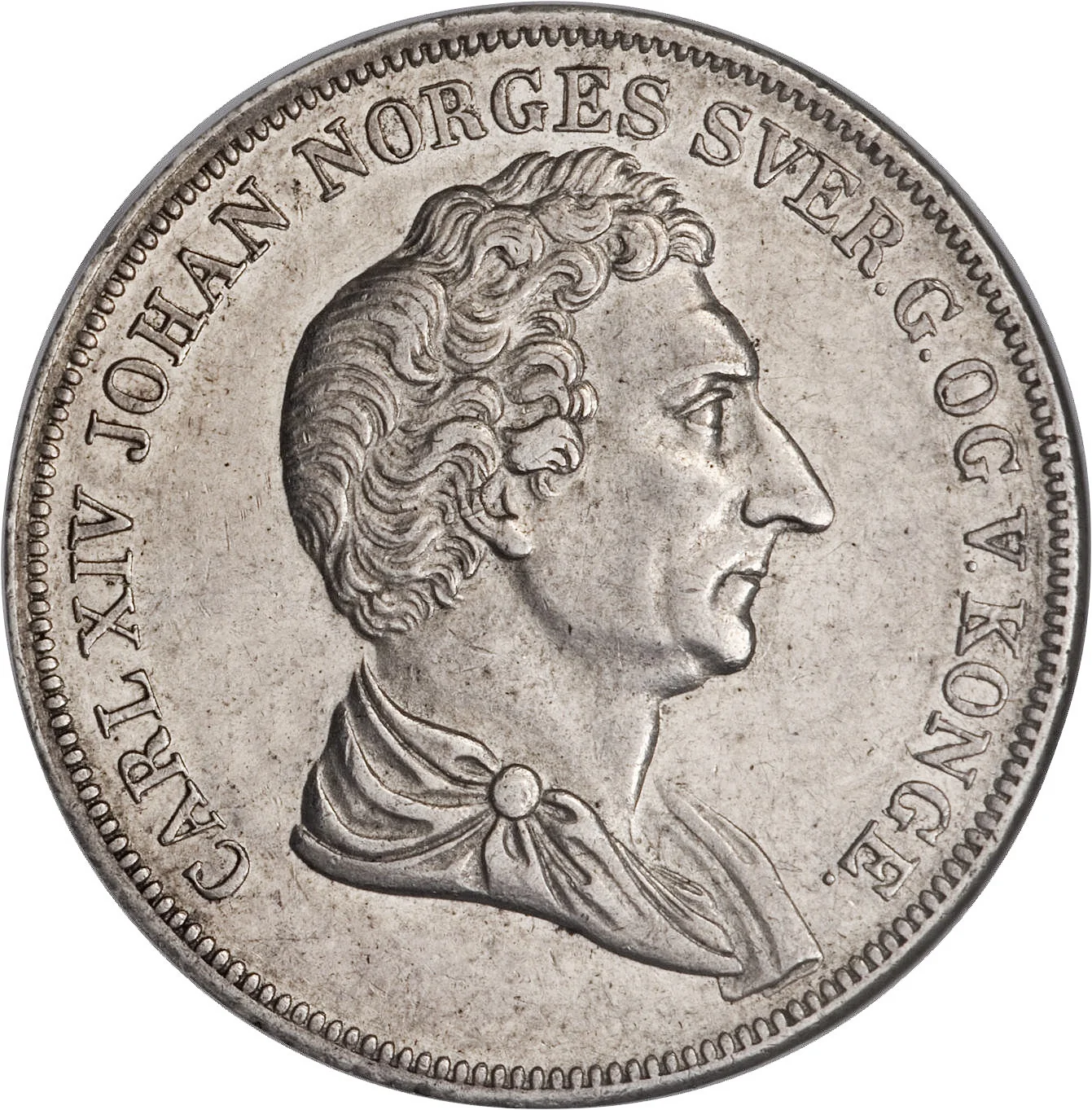
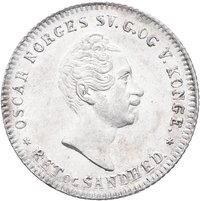
Obverse
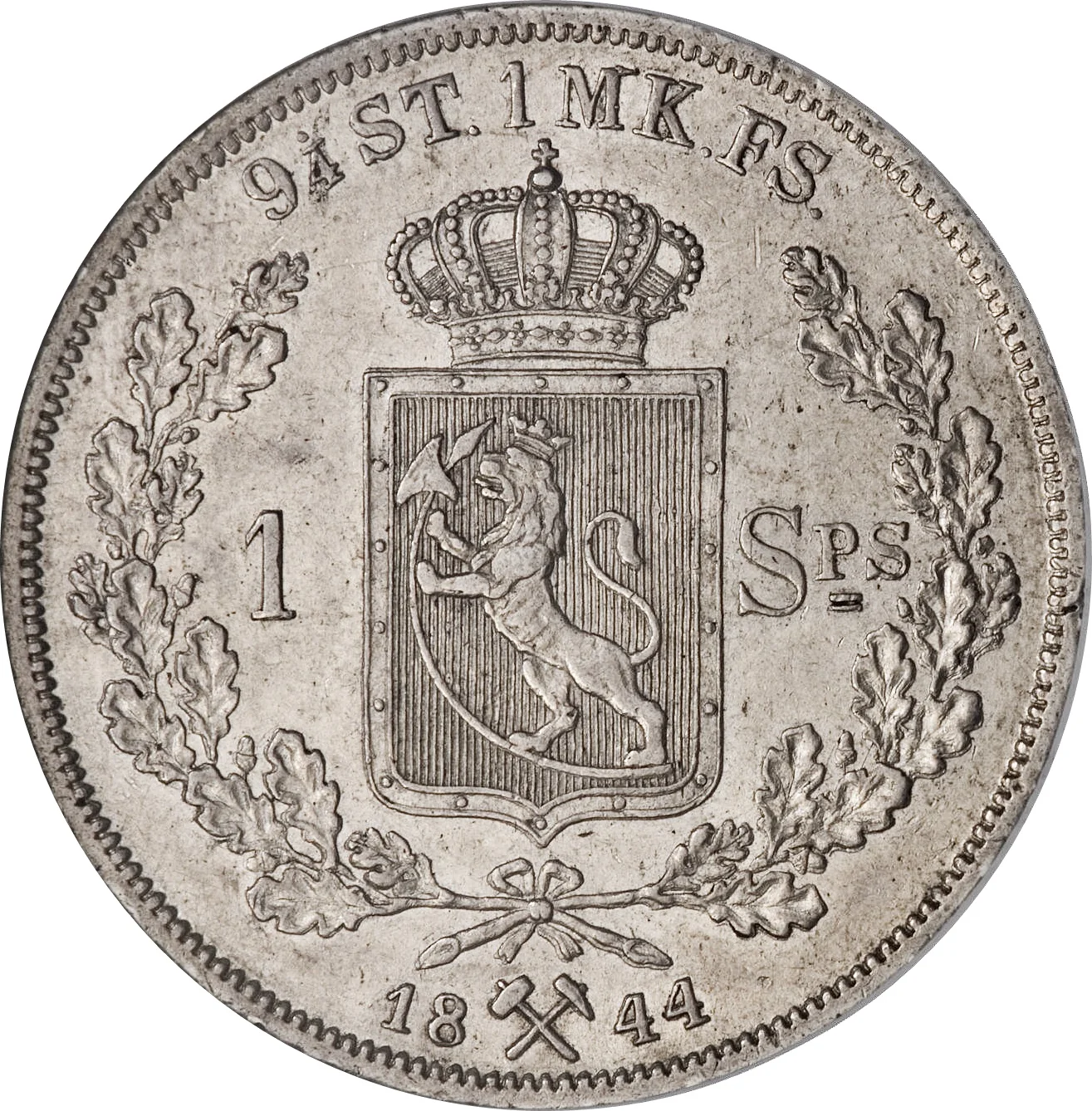
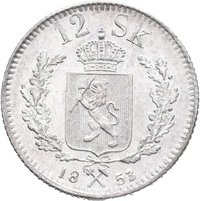
Reverse
Description:
Crowned shield with beaded border, containing a crowned Norwegian lion holding a halberd on a lined field. Value is split by the shield and appears above the crown. A wreath surrounds the shield, with the date divided by the mintmark below it. All within a beaded rim.
Inscription:
9 1/4 ST. 1 MK. FS.
1 | SPS=
18 ⚒ 44
1 | SPS=
18 ⚒ 44
Script: Latin
Edge
Reeded
Mints
| Name | Mark |
|---|---|
| Norwegian Mint | — |
Mintings
| Year | Mint Mark | Mintage | Quality | Collection |
|---|---|---|---|---|
| 1844 | — | 302,100 |
Historical background
In 1844, Norway's currency situation was defined by its complex political union with Sweden, established in 1814 following the Napoleonic Wars. While an independent kingdom with its own constitution, Norway shared a monarch with Sweden and was compelled to align its monetary system with the Swedish riksdaler. This created a persistent tension, as Norway's economy, heavily reliant on shipping, timber, and fishing, had different needs than Sweden's. The Norwegian speciedaler was the official unit, but its value was legally fixed to the Swedish currency, limiting Norway's autonomous control over its money supply and financial policy.
The period was marked by a chronic shortage of practical, small-denomination coinage for everyday transactions, a problem that hampered commerce. To address this, the Norwegian Parliament (Storting) had, in 1842, authorized the minting of new subsidiary silver coins (mark and skilling denominations) and the first national banknotes issued by Norges Bank, founded in 1816. By 1844, these new notes and coins were entering circulation, slowly modernizing the monetary environment. However, the system remained bimetallic (silver and gold), and the scarcity of small change in remote areas remained a practical issue for the public.
Ultimately, the currency situation of 1844 reflected Norway's struggle for greater economic self-determination within the union. The push for a distinct and functional currency system, exemplified by the new banknotes, was not just a financial necessity but also a subtle assertion of national identity. This period laid the groundwork for future monetary developments, culminating decades later in Norway's adoption of the gold standard (1874) and the eventual introduction of the independent Norwegian krone (1875) after the dissolution of the union with Sweden.
The period was marked by a chronic shortage of practical, small-denomination coinage for everyday transactions, a problem that hampered commerce. To address this, the Norwegian Parliament (Storting) had, in 1842, authorized the minting of new subsidiary silver coins (mark and skilling denominations) and the first national banknotes issued by Norges Bank, founded in 1816. By 1844, these new notes and coins were entering circulation, slowly modernizing the monetary environment. However, the system remained bimetallic (silver and gold), and the scarcity of small change in remote areas remained a practical issue for the public.
Ultimately, the currency situation of 1844 reflected Norway's struggle for greater economic self-determination within the union. The push for a distinct and functional currency system, exemplified by the new banknotes, was not just a financial necessity but also a subtle assertion of national identity. This period laid the groundwork for future monetary developments, culminating decades later in Norway's adoption of the gold standard (1874) and the eventual introduction of the independent Norwegian krone (1875) after the dissolution of the union with Sweden.
✨ Legendary