

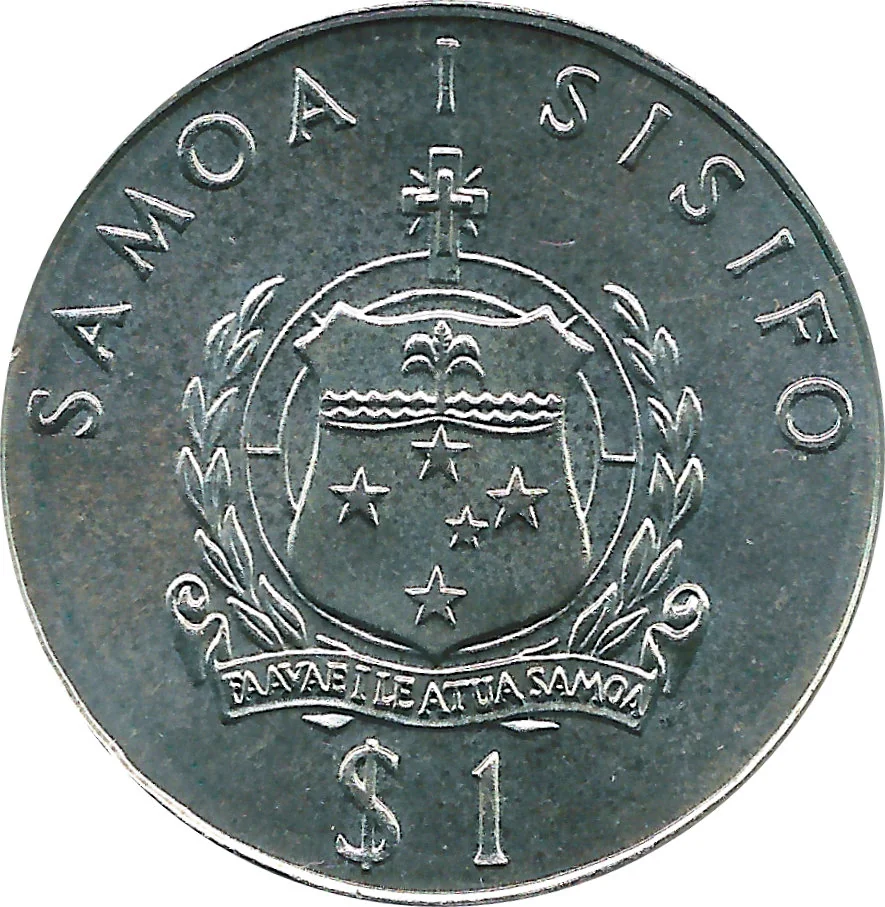
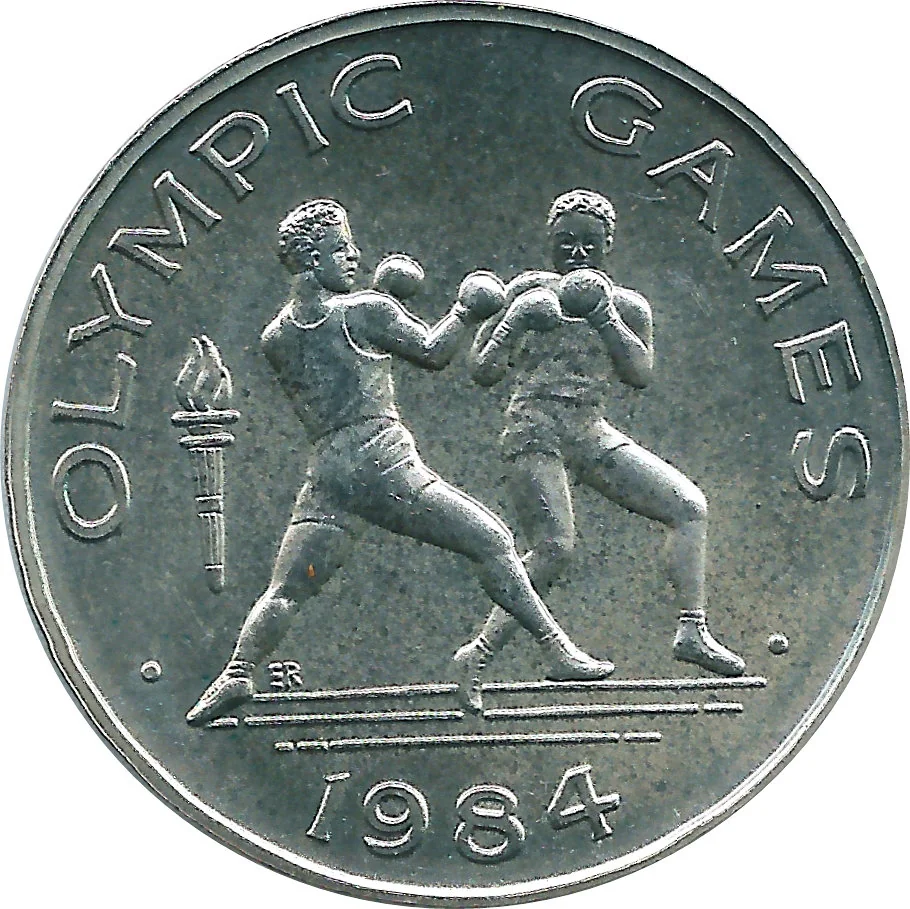
1 Tala – Samoa
Non-circulating coins
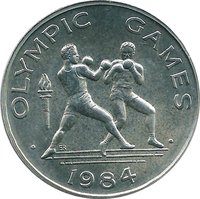
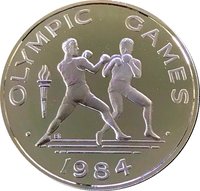
Commemoration: 1984 Summer Olympics, Los Angeles
Samoa
Material
Diameter: 39 mm
Weight: 27 g
Thickness: 3 mm
Shape: Round
Composition: Copper-nickel
Technique: Milled
Alignment: Medal alignment
flip
References
KM: #Click to copy to clipboard58
Numista: #69667
Value
Exchange value: 1 WST
Obverse
Reverse
Edge
Reeded
Categories
| Sport> Summer Olympic Games |
| Sport> Boxing or wrestling |
Mintings
| Year | Mint Mark | Mintage | Quality | Collection |
|---|---|---|---|---|
| 1984 | — | 8,000 |
Historical background
In 1984, Samoa (officially the Independent State of Western Samoa) was navigating a complex currency landscape defined by its historical ties to New Zealand. The national currency was the Samoan tālā (WST), which had been introduced in 1967 following independence. However, its value and management were not fully autonomous. The tālā was pegged to a basket of currencies, but this basket was heavily weighted towards the New Zealand dollar, reflecting the enduring economic and trade links between the two nations. This peg provided stability but also meant Samoa's monetary policy was significantly influenced by the economic conditions and decisions made in Wellington.
The period leading up to 1984 was one of economic difficulty for Samoa. The country faced the twin shocks of global oil price increases and severe cyclones, which damaged key agricultural exports like coconuts and cocoa. This strained foreign exchange reserves and highlighted the vulnerabilities of a small, isolated economy dependent on primary products and remittances. The fixed exchange rate, while stabilizing, also came under pressure during these times, as it could make Samoan exports less competitive if the New Zealand dollar—to which it was loosely aligned—was strong.
Consequently, 1984 was a year of significant transition. In July of that year, the Samoan government, in consultation with the International Monetary Fund (IMF), made a critical decision to devalue the tālā by approximately 30%. This decisive move aimed to address the balance of payments deficit, boost the competitiveness of exports, and correct an overvaluation that had built up. The devaluation was a painful but calculated step towards greater economic adjustment and set the stage for a more independent and flexible monetary policy framework in the years that followed.
The period leading up to 1984 was one of economic difficulty for Samoa. The country faced the twin shocks of global oil price increases and severe cyclones, which damaged key agricultural exports like coconuts and cocoa. This strained foreign exchange reserves and highlighted the vulnerabilities of a small, isolated economy dependent on primary products and remittances. The fixed exchange rate, while stabilizing, also came under pressure during these times, as it could make Samoan exports less competitive if the New Zealand dollar—to which it was loosely aligned—was strong.
Consequently, 1984 was a year of significant transition. In July of that year, the Samoan government, in consultation with the International Monetary Fund (IMF), made a critical decision to devalue the tālā by approximately 30%. This decisive move aimed to address the balance of payments deficit, boost the competitiveness of exports, and correct an overvaluation that had built up. The devaluation was a painful but calculated step towards greater economic adjustment and set the stage for a more independent and flexible monetary policy framework in the years that followed.

💎 Very Rare