

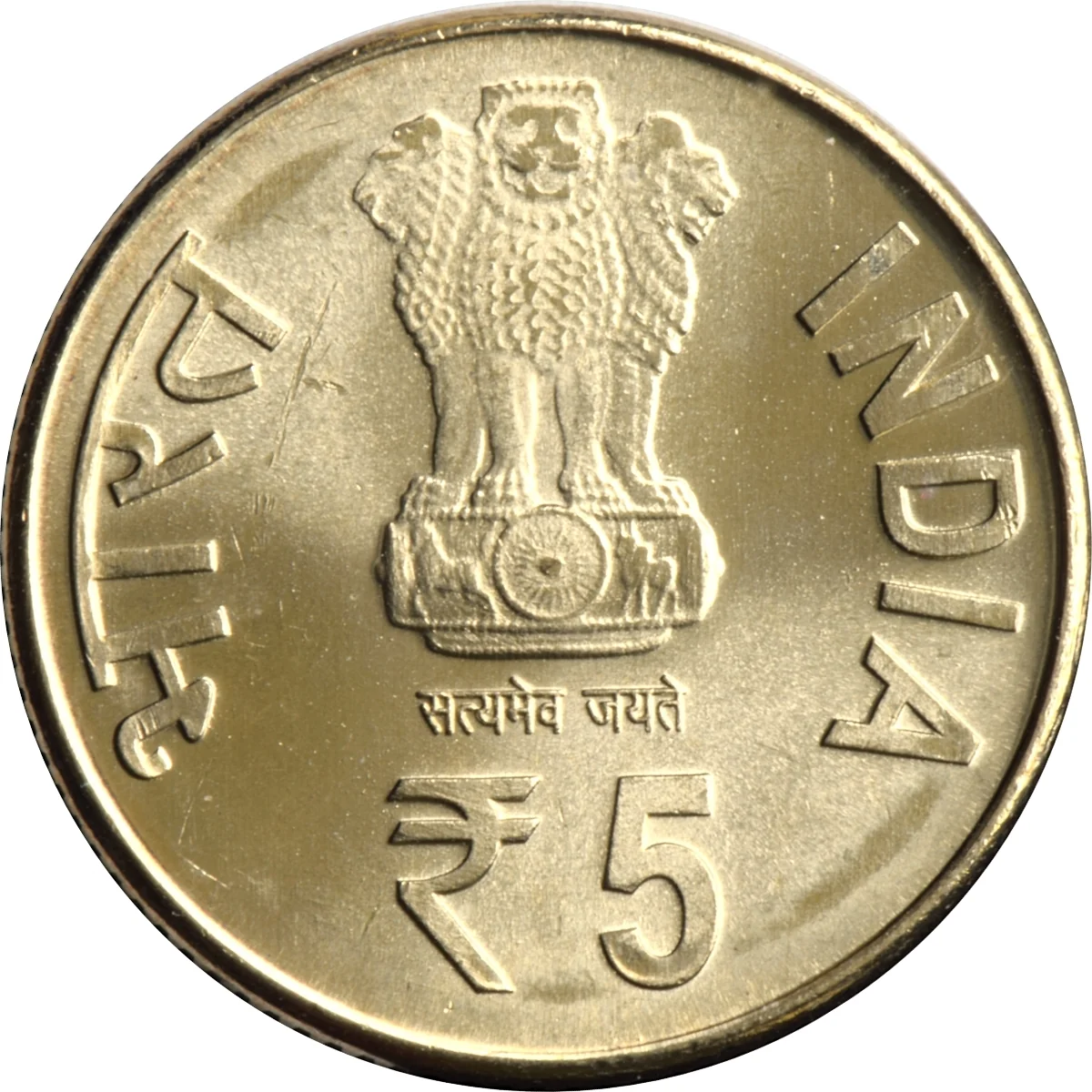
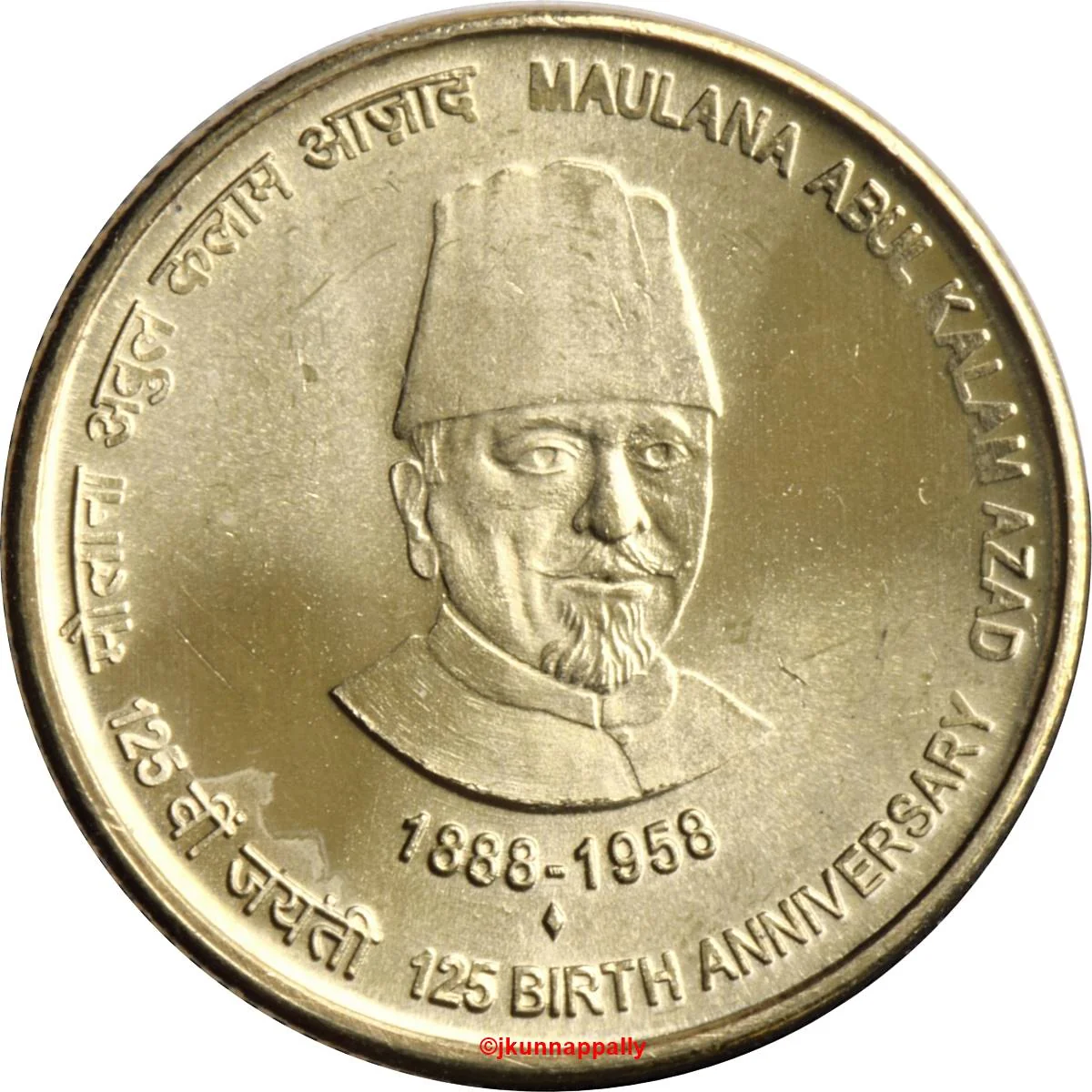
5 rupees (Maulana Abul Kalam Azad) – India
Add to wishlist
Circulating commemorative coins
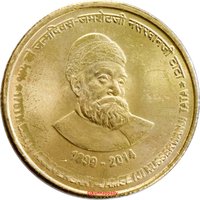
Commemoration: 125 Birth Anniversary of Maulana Abul Kalam Azad
India
Context
Year: 2014
Issuer: India
Issuing organization: Reserve Bank of India
Period:
(since 1950)
Currency:
(since 1957)
Material
Diameter: 23 mm
Weight: 6 g
Thickness: 2 mm
Shape: Round
Composition: Nickel brass
Magnetic: No
Technique: Milled
Alignment: Medal alignment
flip
References
KM: #
Numista: #66552
Value
Exchange value: 5 INR
Inflation-adjusted value: 9.02 INR
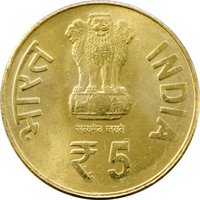
Obverse
Reverse
Edge
Reeded
Categories
| Event> Birth anniversary |
| Person> Politician |
Mints
| Name | Mark |
|---|---|
| Kolkata / Calcutta / Murshidabad | — |
| Hyderabad | * |
| Noida | ° |
| Mumbai / Bombay | ♦ |
Historical background
In 2014, India's currency situation was characterized by significant challenges, primarily stemming from persistent high inflation and a volatile rupee. The period following the 2013 "taper tantrum" saw the Indian rupee plunge to a historic low of nearly 68 against the US dollar, driven by global capital outflows and a large current account deficit. While aggressive interventions by the Reserve Bank of India (RBI) under Governor Raghuram Rajan, including hiking interest rates, had stabilized the currency to around 60-61 per dollar by mid-2014, the environment remained fragile. The economy was still grappling with the aftermath of high retail inflation, which had averaged around 9-10% in the preceding years, severely eroding purchasing power.
The macroeconomic backdrop was defined by efforts to rebuild foreign exchange reserves, which had been depleted during the 2013 crisis, and to curb inflationary pressures through a tight monetary policy stance. A key focus was on managing the current account deficit, which had widened dangerously due to high gold and oil imports. The new government, led by Prime Minister Narendra Modi taking office in May 2014, inherited this delicate balance. Its immediate agenda included attracting foreign investment to support the rupee and fostering economic growth while containing inflation, a complex policy trilemma for the central bank and the finance ministry.
Furthermore, the physical currency system was functioning normally, but there were underlying concerns about the prevalence of high-denomination banknotes facilitating the shadow economy. While not yet official policy, discussions around curbing black money and counterfeit currency were gaining political traction, setting the stage for future significant actions. Thus, the currency situation in 2014 was one of cautious stabilization from external shocks, with authorities navigating between fostering growth and ensuring macroeconomic stability, while longer-term structural issues regarding the cash-based economy simmered beneath the surface.
The macroeconomic backdrop was defined by efforts to rebuild foreign exchange reserves, which had been depleted during the 2013 crisis, and to curb inflationary pressures through a tight monetary policy stance. A key focus was on managing the current account deficit, which had widened dangerously due to high gold and oil imports. The new government, led by Prime Minister Narendra Modi taking office in May 2014, inherited this delicate balance. Its immediate agenda included attracting foreign investment to support the rupee and fostering economic growth while containing inflation, a complex policy trilemma for the central bank and the finance ministry.
Furthermore, the physical currency system was functioning normally, but there were underlying concerns about the prevalence of high-denomination banknotes facilitating the shadow economy. While not yet official policy, discussions around curbing black money and counterfeit currency were gaining political traction, setting the stage for future significant actions. Thus, the currency situation in 2014 was one of cautious stabilization from external shocks, with authorities navigating between fostering growth and ensuring macroeconomic stability, while longer-term structural issues regarding the cash-based economy simmered beneath the surface.
🌱 Common