

50 Pence – Jersey
Context
Year: 1997
Country: British Crown dependencies
Issuer: Jersey 
Ruler: Elizabeth II
Currency:
(since 1971)
Total mintage: 1,500,000
Material
Diameter: 27.3 mm
Weight: 8 g
Thickness: 1.78 mm
Shape: Equilateral curve heptagon
Composition: Copper-nickel
Technique: Milled
Alignment: Medal alignment
flip
References
KM: #Click to copy to clipboard58.2
Numista: #6522
Value
Exchange value: 0.50 JEP
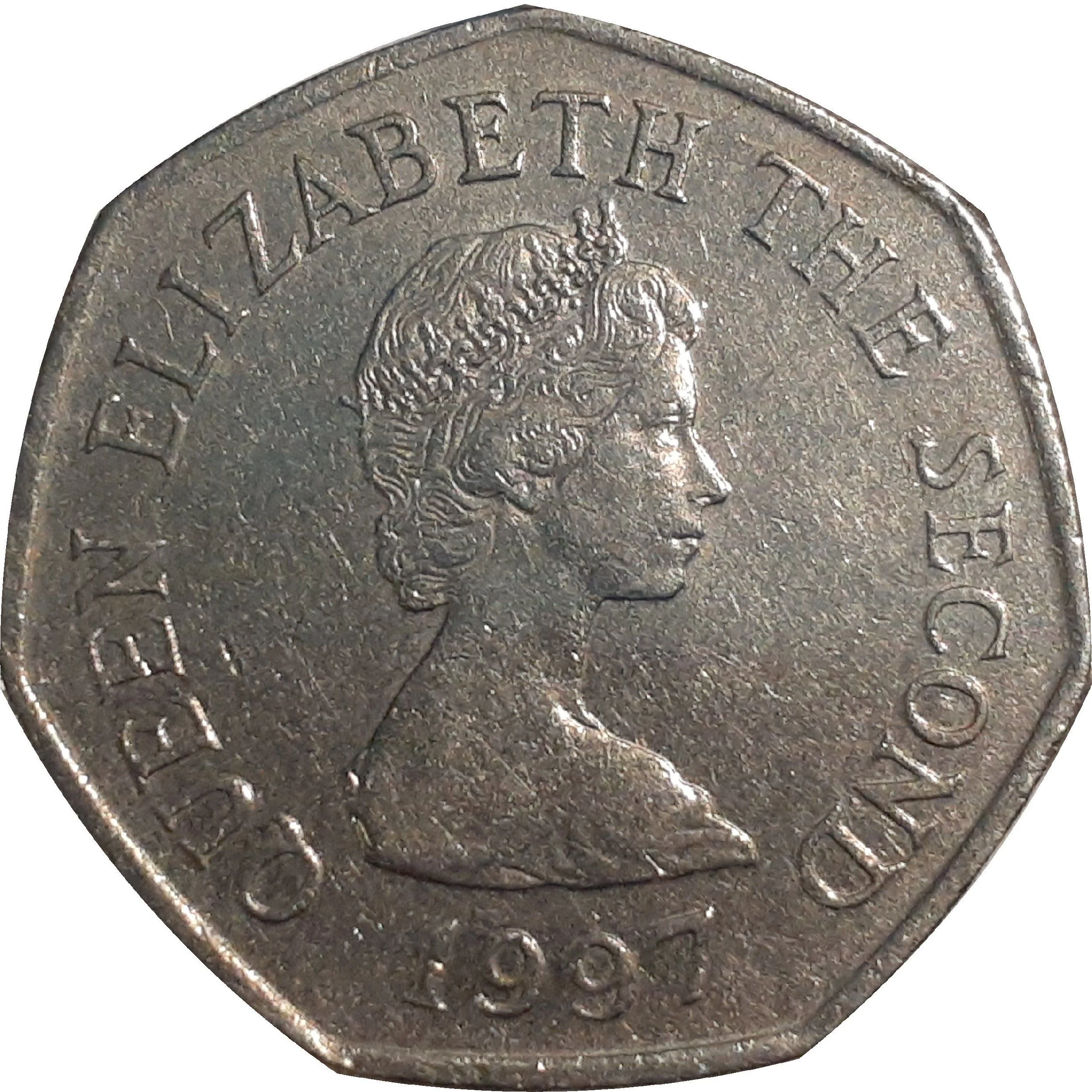
Obverse
Description:
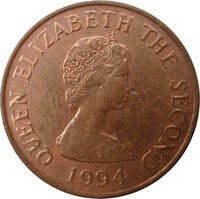
Crowned head right, date below.
Inscription:
QUEEN ELIZABETH THE SECOND
1997
1997
Script: Latin
Engraver: Arnold Machin
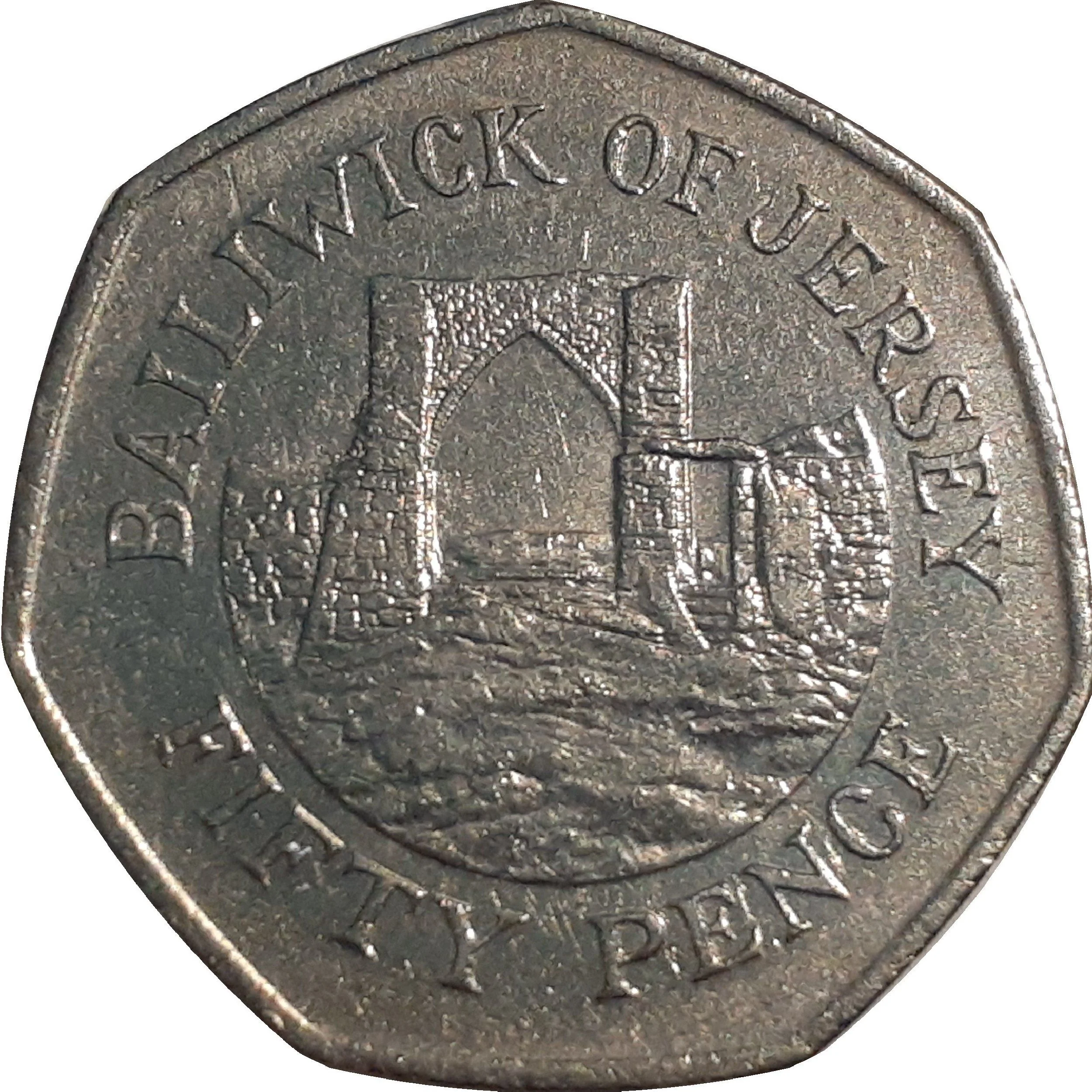
Reverse
Description:
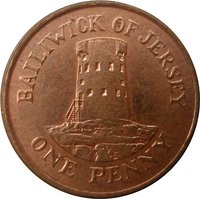
Ruined medieval fortress on Jersey's coast.
Inscription:
BAILIWICK OF JERSEY
FIFTY PENCE
FIFTY PENCE
Script: Latin
Engraver: Robert Lowe
Edge
Plain
Categories
| Building> Castle or fortification |
Mints
| Name | Mark |
|---|---|
| Royal Mint | — |
Mintings
| Year | Mint Mark | Mintage | Quality | Collection |
|---|---|---|---|---|
| 1997 | — | 1,500,000 |
Historical background
In 1997, the currency situation in Jersey was characterised by a stable and long-established framework, but one that was undergoing subtle evolution due to external pressures. As a Crown Dependency, Jersey was not part of the United Kingdom but had its monetary system integrally linked to it. The primary circulating currency was the Jersey pound, issued by the States of Jersey, which maintained parity with the British pound sterling (£1 GBP = £1 JEP). Sterling itself was also legal tender on the island, creating a de facto dual-currency system where both notes circulated interchangeably, though Jersey notes were typically not accepted in mainland Britain.
This period was one of quiet anticipation regarding the UK's potential adoption of the European single currency. The UK's opt-out from the Eurozone, secured in the 1992 Maastricht Treaty, meant the issue was not immediate, but the approaching launch of the euro in January 1999 prompted strategic considerations. Jersey's government and finance industry were closely monitoring the UK's political stance, as any future decision by Westminster to join the euro would have profound implications for the island's monetary autonomy and its large financial services sector, which relied heavily on sterling-denominated transactions.
Consequently, 1997 was a year of procedural consolidation rather than dramatic change. The States of Jersey continued to issue its own series of banknotes (the "1997" series began introduction that year) and coinage, asserting its distinct identity while maintaining the crucial sterling link. The underlying policy was one of cautious alignment with the UK, ensuring monetary stability while preparing to adapt should the UK's relationship with European Monetary Union change in the future. The island's economic prosperity and the health of its finance industry depended on this careful balancing act.
This period was one of quiet anticipation regarding the UK's potential adoption of the European single currency. The UK's opt-out from the Eurozone, secured in the 1992 Maastricht Treaty, meant the issue was not immediate, but the approaching launch of the euro in January 1999 prompted strategic considerations. Jersey's government and finance industry were closely monitoring the UK's political stance, as any future decision by Westminster to join the euro would have profound implications for the island's monetary autonomy and its large financial services sector, which relied heavily on sterling-denominated transactions.
Consequently, 1997 was a year of procedural consolidation rather than dramatic change. The States of Jersey continued to issue its own series of banknotes (the "1997" series began introduction that year) and coinage, asserting its distinct identity while maintaining the crucial sterling link. The underlying policy was one of cautious alignment with the UK, ensuring monetary stability while preparing to adapt should the UK's relationship with European Monetary Union change in the future. The island's economic prosperity and the health of its finance industry depended on this careful balancing act.
🌱 Common