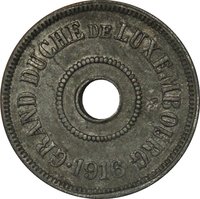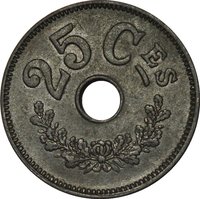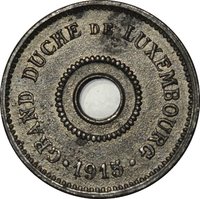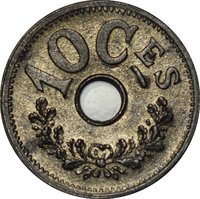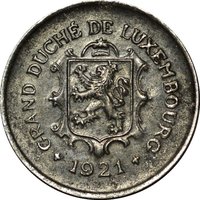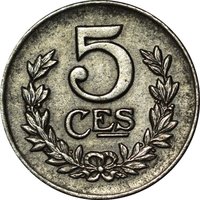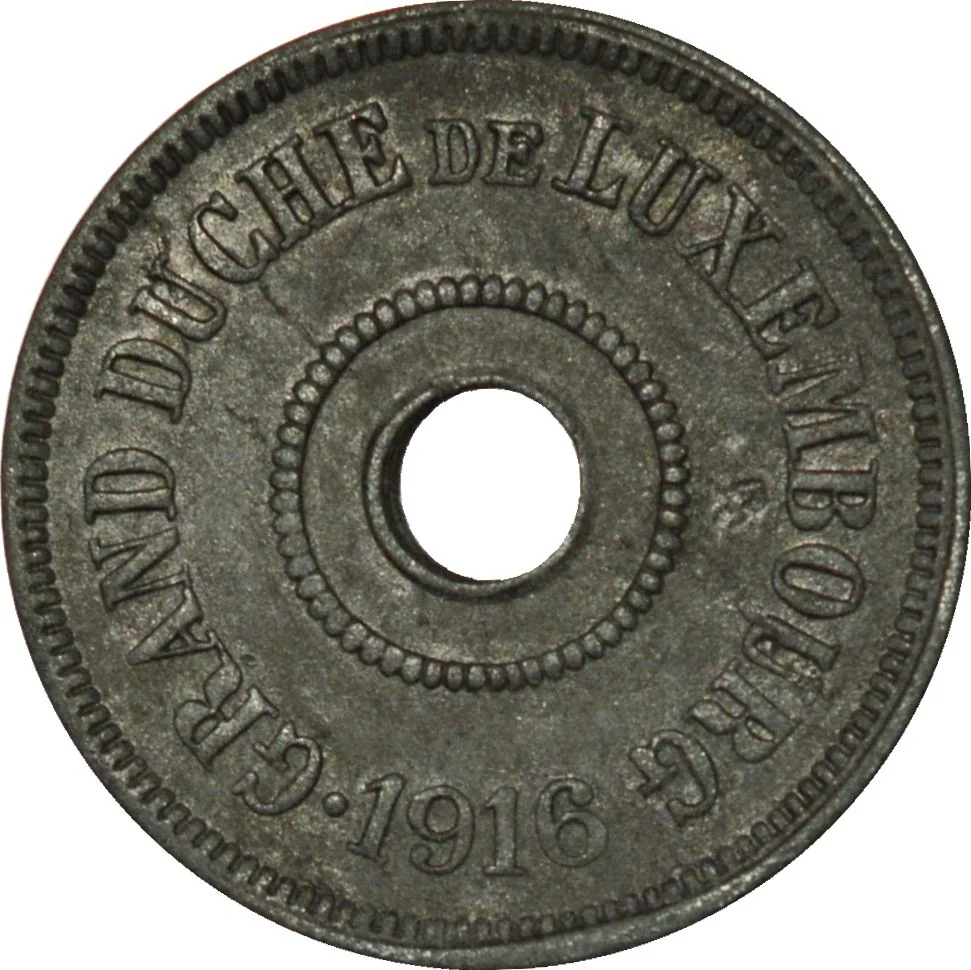
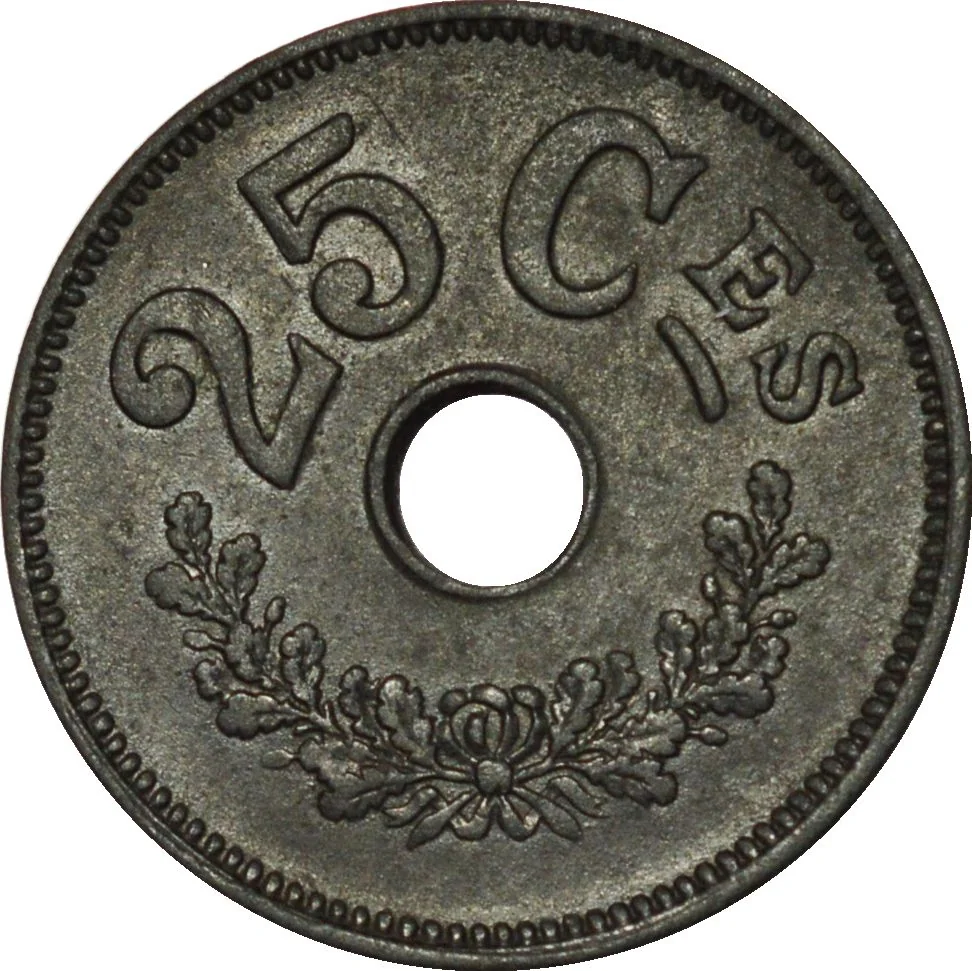
In 1916, the Grand Duchy of Luxembourg found itself in a precarious and complex currency situation as a direct consequence of the First World War. Although officially neutral, the country had been under full military occupation by the German Empire since August 1914. The German authorities imposed the German Mark (
Papiermark) as legal tender alongside the existing Luxembourg franc, effectively creating a dual-currency system. This was part of a broader strategy to economically integrate occupied territories into the German war effort, controlling financial flows and resources.
The forced introduction of the Mark led to significant inflation and economic distortion within Luxembourg. As Germany financed its war through printing money, the value of the Mark began to erode, dragging down the purchasing power of the Luxembourg franc by association. Shortages of goods, exacerbated by the Allied blockade of Germany, further drove up prices, causing severe hardship for the civilian population. The Luxembourg franc, which had been pegged to the Belgian franc, was now artificially linked to a rapidly depreciating currency, undermining financial stability.
Despite the occupation, Luxembourg's government and its monetary institute, the
Office des Chèques Postaux, attempted to maintain a degree of financial autonomy. They continued to issue Luxembourg franc notes and postal money orders to facilitate domestic transactions and assert a semblance of sovereignty. However, these efforts were severely constrained by German control over the banking system and the overarching war economy. Thus, the currency landscape of 1916 was one of imposed duality, rampant inflation, and a struggle to preserve national economic identity under military occupation.