

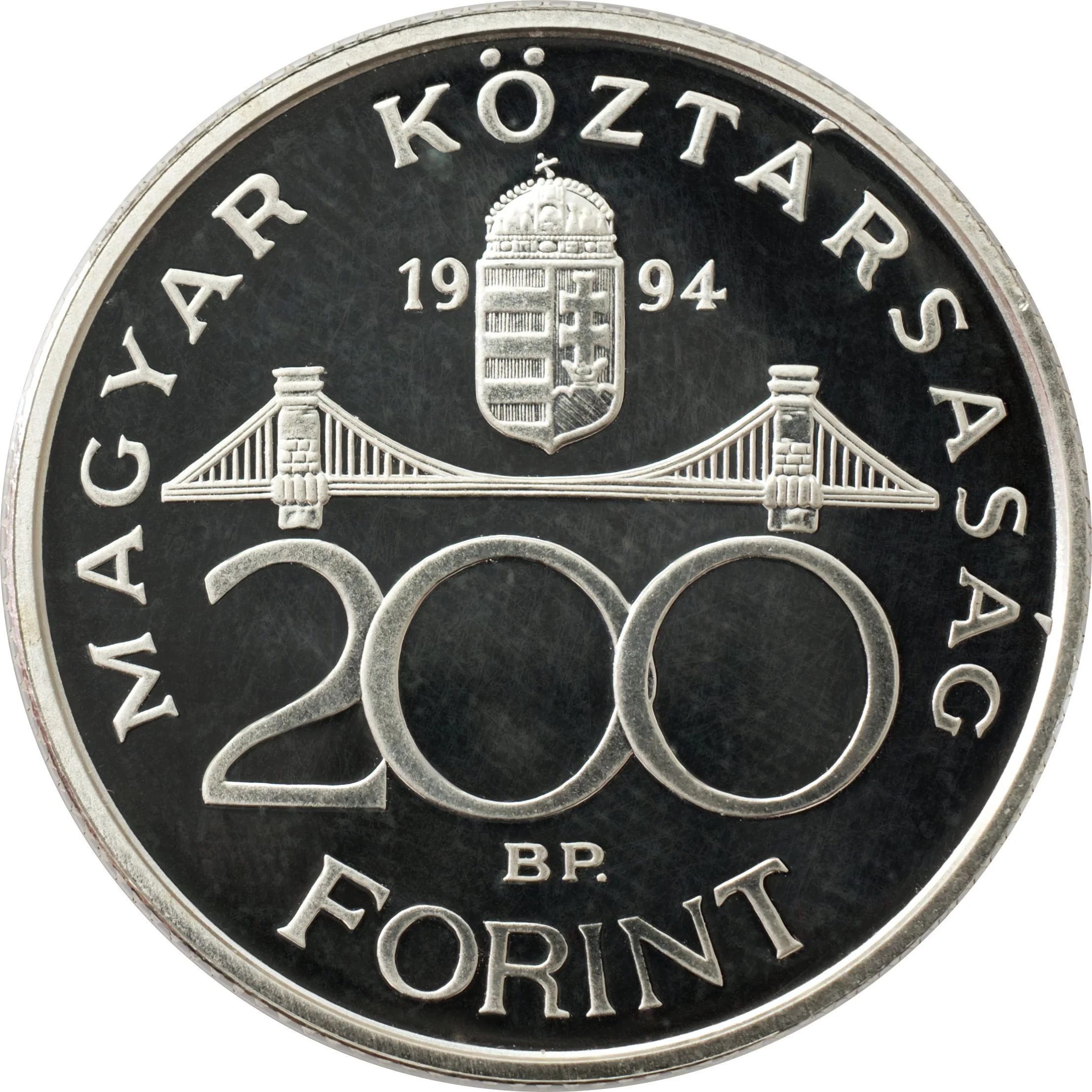
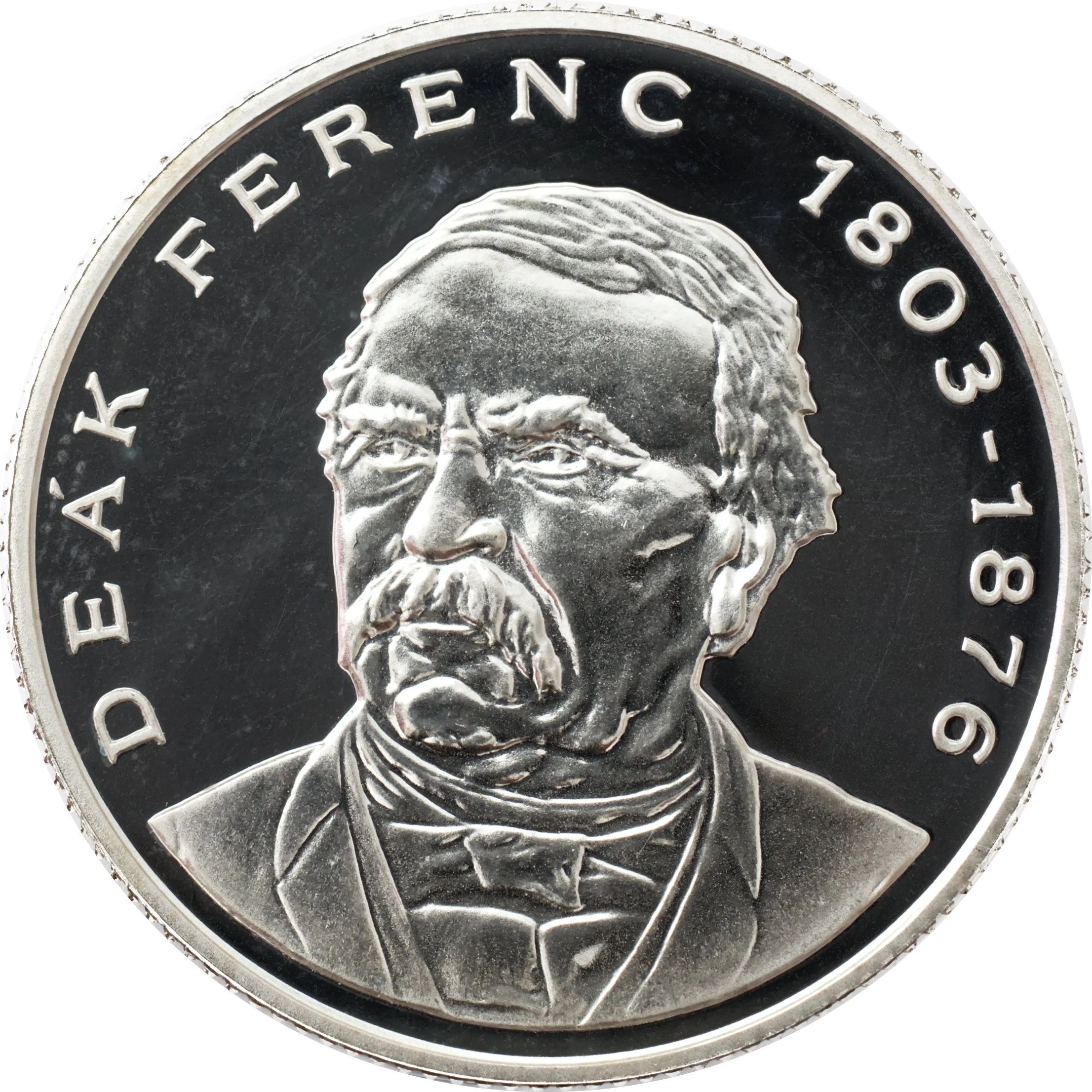
200 forint – Hungary
Add to wishlist
Circulating commemorative coins
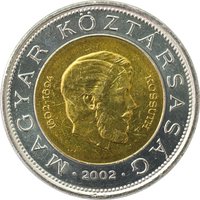
Commemoration: D. Ferenc 1803-1876
Hungary
Context
Material
References
KM: #
Numista: #6505
Value
Exchange value: 200 HUF
Bullion value: $15.03
Inflation-adjusted value: 2009.15 HUF
Obverse
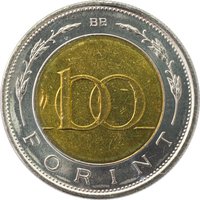
Reverse
Edge
Reeded
Categories
| Building> Bridge |
| Person> Politician |
| Mustache/Beard |
Mints
| Name | Mark |
|---|---|
| Hungarian mint | BP. |
Mintings
Historical background
In 1994, Hungary was navigating a critical and fragile phase in its transition from a centrally planned to a market economy. The country was still grappling with the legacy of high inflation and external debt from the late communist era, though significant stabilization efforts were underway. A cornerstone of this was the "Bokros Package" of 1995, named after Finance Minister Lajos Bokros, which implemented a sharp devaluation of the forint, introduced a pre-announced crawling peg exchange rate regime, and enacted severe austerity measures to curb the current account deficit and restore macroeconomic balance.
The currency situation was characterized by a controlled devaluation policy. To maintain export competitiveness and manage inflationary pressures, the National Bank of Hungary (MNB) allowed the forint to depreciate at a pre-set, predictable rate against a basket of currencies (70% USD, 30% DEM). This "crawling peg" provided stability for businesses and helped gradually correct the overvaluation of the forint, but it also institutionalized inflation expectations, as prices and wages adjusted in anticipation of the next devaluation.
Overall, the 1994-95 period was a watershed, marking the end of ad-hoc crisis management and the beginning of a more disciplined, rules-based monetary framework. The painful but necessary austerity and devaluation set the stage for the eventual liberalization of the forint in the late 1990s and laid the foundation for Hungary's later accession to the European Union. The currency policies of this era were thus a pivotal, if difficult, step in integrating Hungary into the global financial system.
The currency situation was characterized by a controlled devaluation policy. To maintain export competitiveness and manage inflationary pressures, the National Bank of Hungary (MNB) allowed the forint to depreciate at a pre-set, predictable rate against a basket of currencies (70% USD, 30% DEM). This "crawling peg" provided stability for businesses and helped gradually correct the overvaluation of the forint, but it also institutionalized inflation expectations, as prices and wages adjusted in anticipation of the next devaluation.
Overall, the 1994-95 period was a watershed, marking the end of ad-hoc crisis management and the beginning of a more disciplined, rules-based monetary framework. The painful but necessary austerity and devaluation set the stage for the eventual liberalization of the forint in the late 1990s and laid the foundation for Hungary's later accession to the European Union. The currency policies of this era were thus a pivotal, if difficult, step in integrating Hungary into the global financial system.
🌱 Common