

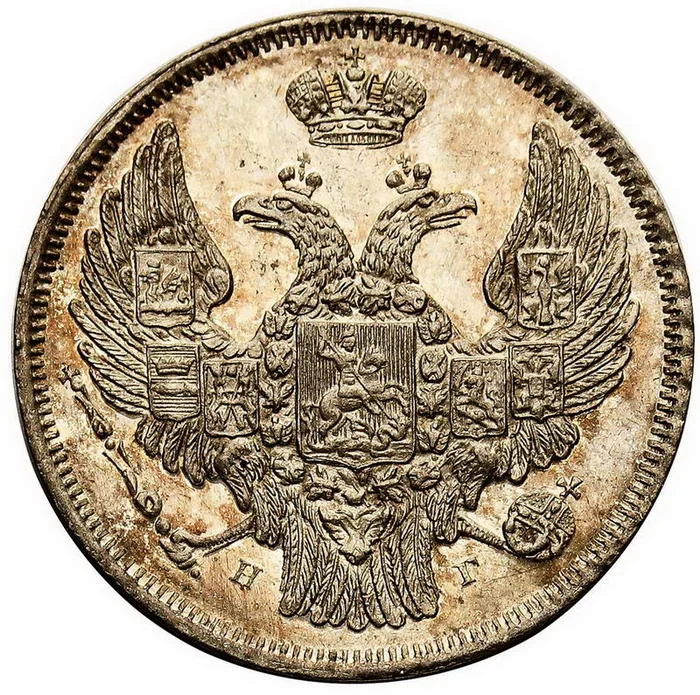
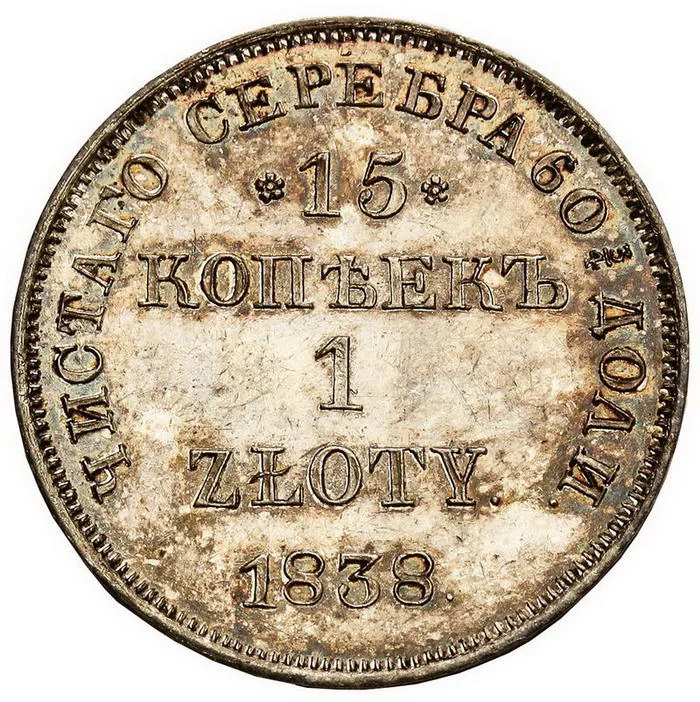
1 zloty – Congress Kingdom of Poland
Add to wishlist
Poland
Context
Years: 1832–1841
Country: Poland
Issuer: Congress Kingdom of Poland
Ruler: Nicholas I
Currency:
(1815—1841)
Demonetized: Yes
Total mintage: 7,453,548
Material
Diameter: 20 mm
Weight: 3.1 g
Silver Weight:: 2.69 g
Thickness: 1 mm
Shape: Round
Composition: 86.8% Silver
Standard: Gold tenth ounce
Magnetic: No
Alignment: Medal alignment
flip
References
Numista: #63687
Value
Bullion value: $6.88
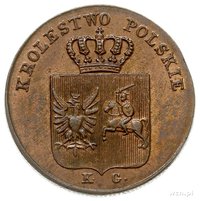
Obverse
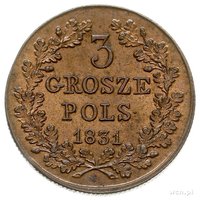
Reverse
Edge
Slant reeded
Mintings
| Year | Mint Mark | Mintage | Quality | Collection |
|---|---|---|---|---|
| 1832 | НГ | 48,900 | ||
| 1833 | НГ | 654,503 | ||
| 1834 | НГ | 30,010 | ||
| 1834 | НГ | — | Proof | |
| 1835 | НГ | 150,007 | ||
| 1836 | НГ | 1,450,008 | ||
| 1837 | НГ | 80,004 | ||
| 1838 | НГ | 1,410,113 | ||
| 1839 | НГ | 1,510,002 | ||
| 1839 | НГ | — | Proof | |
| 1840 | НГ | 1,060,001 | ||
| 1841 | НГ | 1,060,000 | ||
| 1841 | НГ | — | Proof |
Historical background
Following the suppression of the November Uprising (1830-1831), the Russian Empire radically restructured the Congress Kingdom of Poland in 1832, replacing its constitution with the highly restrictive Organic Statute. This political subjugation directly extended to monetary policy, ending the Kingdom's brief period of distinct coinage. Prior to 1832, the Kingdom minted its own silver and copper coins, the Polish złoty and grosz, which circulated alongside Russian currency. However, the post-uprising reprisals aimed to fully integrate the Kingdom into the Russian economic sphere as a punitive measure and a means of control.
Consequently, in 1832, Tsar Nicholas I issued a decree abolishing the separate Polish monetary system. The mint in Warsaw was closed, and the production of distinct Polish coinage ceased. The Russian ruble was declared the sole legal tender throughout the Congress Kingdom, with the existing Polish złoty officially demonetized and scheduled for withdrawal from circulation. This move was not merely financial but a symbolic erasure of a key attribute of Polish statehood, reinforcing the Kingdom's reduced status to a mere Russian province.
The currency unification created practical economic difficulties, as the exchange and withdrawal process was disruptive. However, for the Russian authorities, its political significance outweighed any short-term economic friction. It served as a clear and daily reminder to the Polish population of their incorporation into the Empire, eliminating a visible symbol of autonomy and furthering the policy of Russification that defined the "post-organic" period until the Kingdom's final abolition in 1867.
Consequently, in 1832, Tsar Nicholas I issued a decree abolishing the separate Polish monetary system. The mint in Warsaw was closed, and the production of distinct Polish coinage ceased. The Russian ruble was declared the sole legal tender throughout the Congress Kingdom, with the existing Polish złoty officially demonetized and scheduled for withdrawal from circulation. This move was not merely financial but a symbolic erasure of a key attribute of Polish statehood, reinforcing the Kingdom's reduced status to a mere Russian province.
The currency unification created practical economic difficulties, as the exchange and withdrawal process was disruptive. However, for the Russian authorities, its political significance outweighed any short-term economic friction. It served as a clear and daily reminder to the Polish population of their incorporation into the Empire, eliminating a visible symbol of autonomy and furthering the policy of Russification that defined the "post-organic" period until the Kingdom's final abolition in 1867.
⭐ Somewhat Rare