

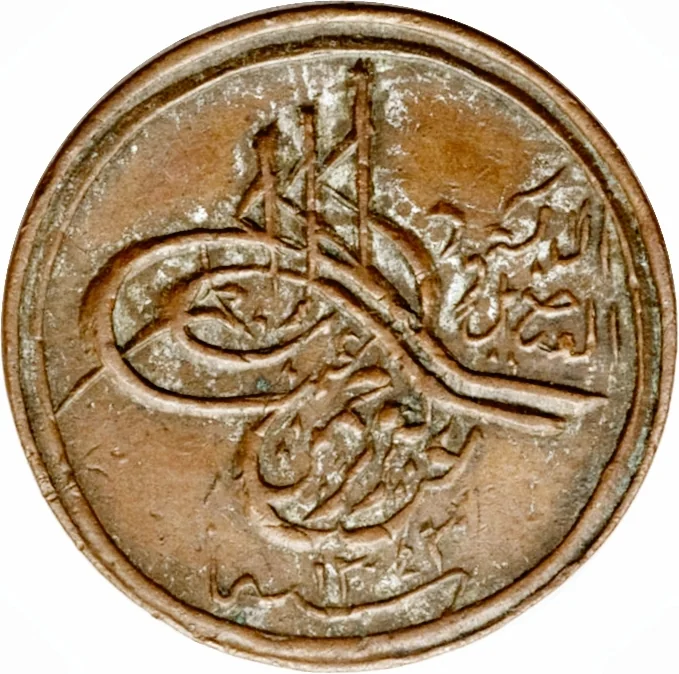
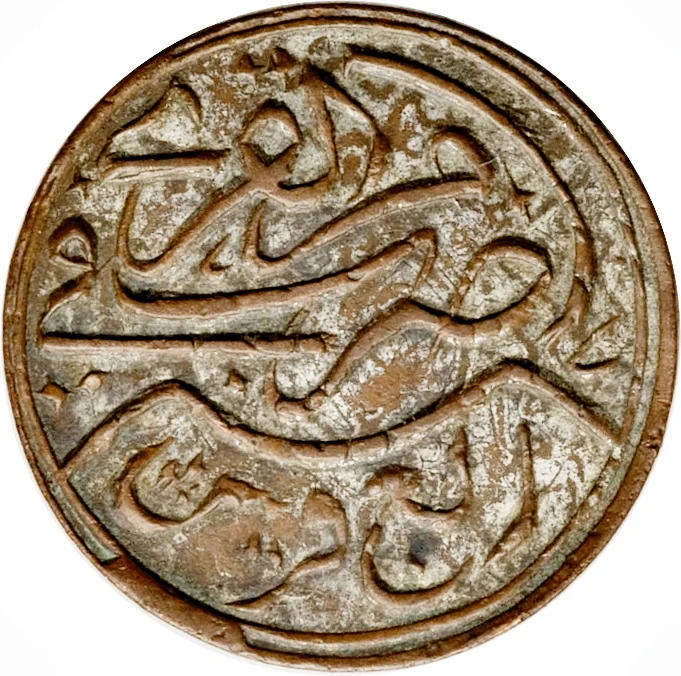
¼ qirsh – Hejaz and Nejd
Add to wishlist
Saudi Arabia
Context
Year: 1925
Islamic (Hijri) Year:: 1343
Country: Saudi Arabia
Issuer: Hejaz and Nejd
Ruler: Abdulaziz bin Abdulrahman
Currency:
(1925—1960)
Demonetized: Yes
Material
References
KM: #
Numista: #63090
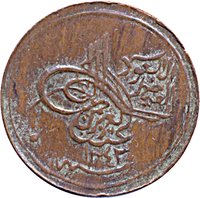
Obverse
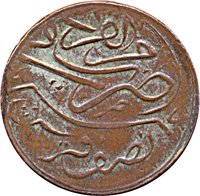
Reverse
Edge
Mintings
| Year | Mint Mark | Mintage | Quality | Collection |
|---|---|---|---|---|
| 1925 | — | — |
Historical background
In 1925, the currency situation in the Hejaz and Nejd reflected the political and economic transition following the military conquests of Abdulaziz Al Saud (Ibn Saud). The Hejaz, with the holy cities of Mecca and Medina, had a long-established monetary system centered on the Ottoman gold lira (also known as the Hejazi gold pound) and the silver riyal. Meanwhile, in the central Arabian region of Nejd, trade relied heavily on a variety of foreign silver coins, particularly the Maria Theresa thaler and Indian rupees, alongside limited local coinage.
This monetary fragmentation created significant complexity for trade and administration. The concurrent circulation of gold, silver, and foreign coins, each with fluctuating values, posed a challenge to Ibn Saud's efforts to unify the newly conquered territories into a single state. There was no central authority issuing a uniform currency for the entire realm, and the economy remained vulnerable to shifts in global bullion prices and the inflow of foreign coins.
Recognizing that monetary unity was essential for sovereign control, Ibn Saud took decisive action in 1925. He ordered the minting of new silver coins in Mecca, denominated in riyals and halalas, which bore his name and title. These first standardized coins of the nascent Kingdom of Hejaz and Nejd were a direct step toward replacing the heterogeneous mix of existing currencies and establishing a single, state-controlled monetary system for his unified realm.
This monetary fragmentation created significant complexity for trade and administration. The concurrent circulation of gold, silver, and foreign coins, each with fluctuating values, posed a challenge to Ibn Saud's efforts to unify the newly conquered territories into a single state. There was no central authority issuing a uniform currency for the entire realm, and the economy remained vulnerable to shifts in global bullion prices and the inflow of foreign coins.
Recognizing that monetary unity was essential for sovereign control, Ibn Saud took decisive action in 1925. He ordered the minting of new silver coins in Mecca, denominated in riyals and halalas, which bore his name and title. These first standardized coins of the nascent Kingdom of Hejaz and Nejd were a direct step toward replacing the heterogeneous mix of existing currencies and establishing a single, state-controlled monetary system for his unified realm.
💎 Very Rare