

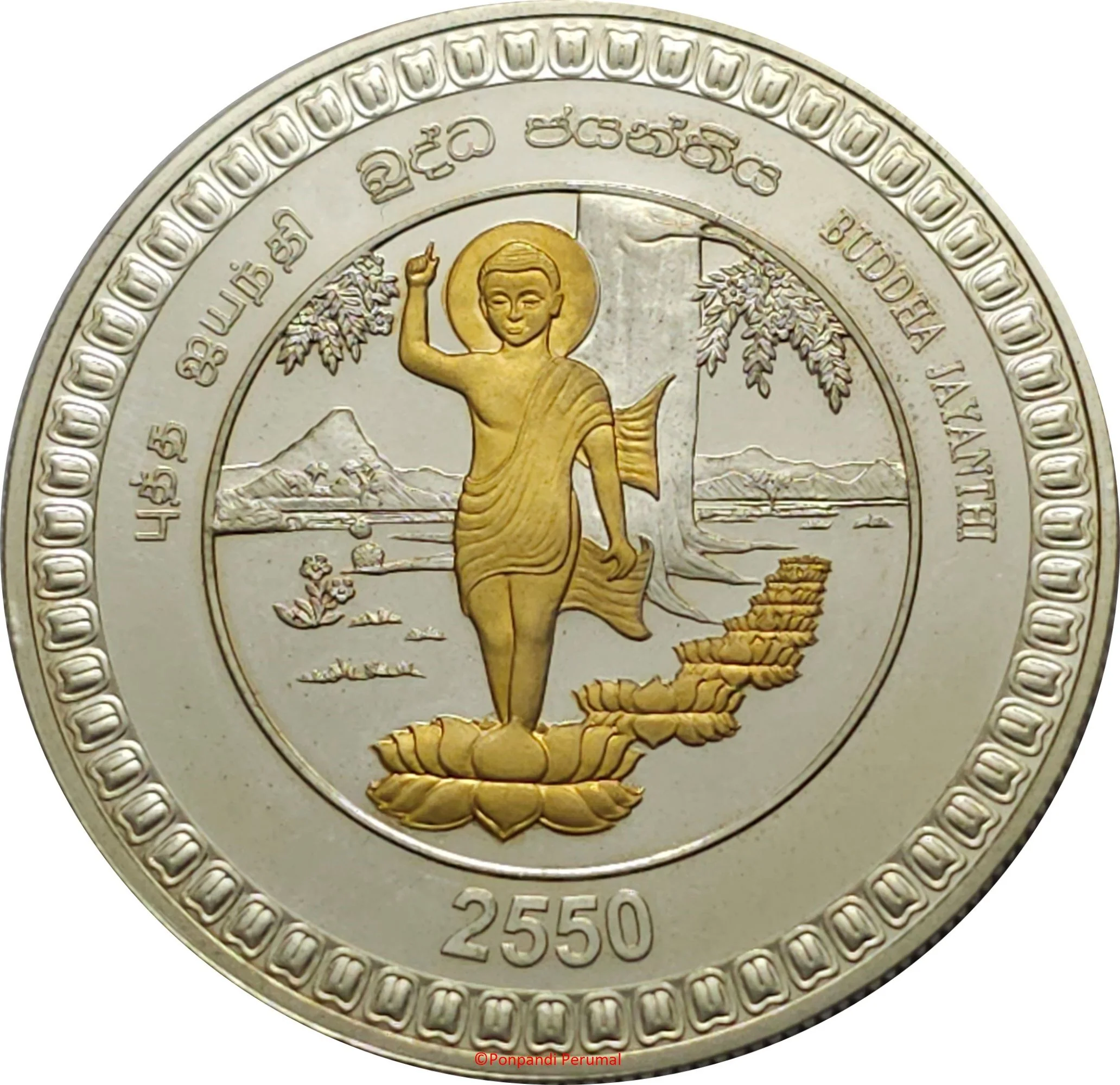
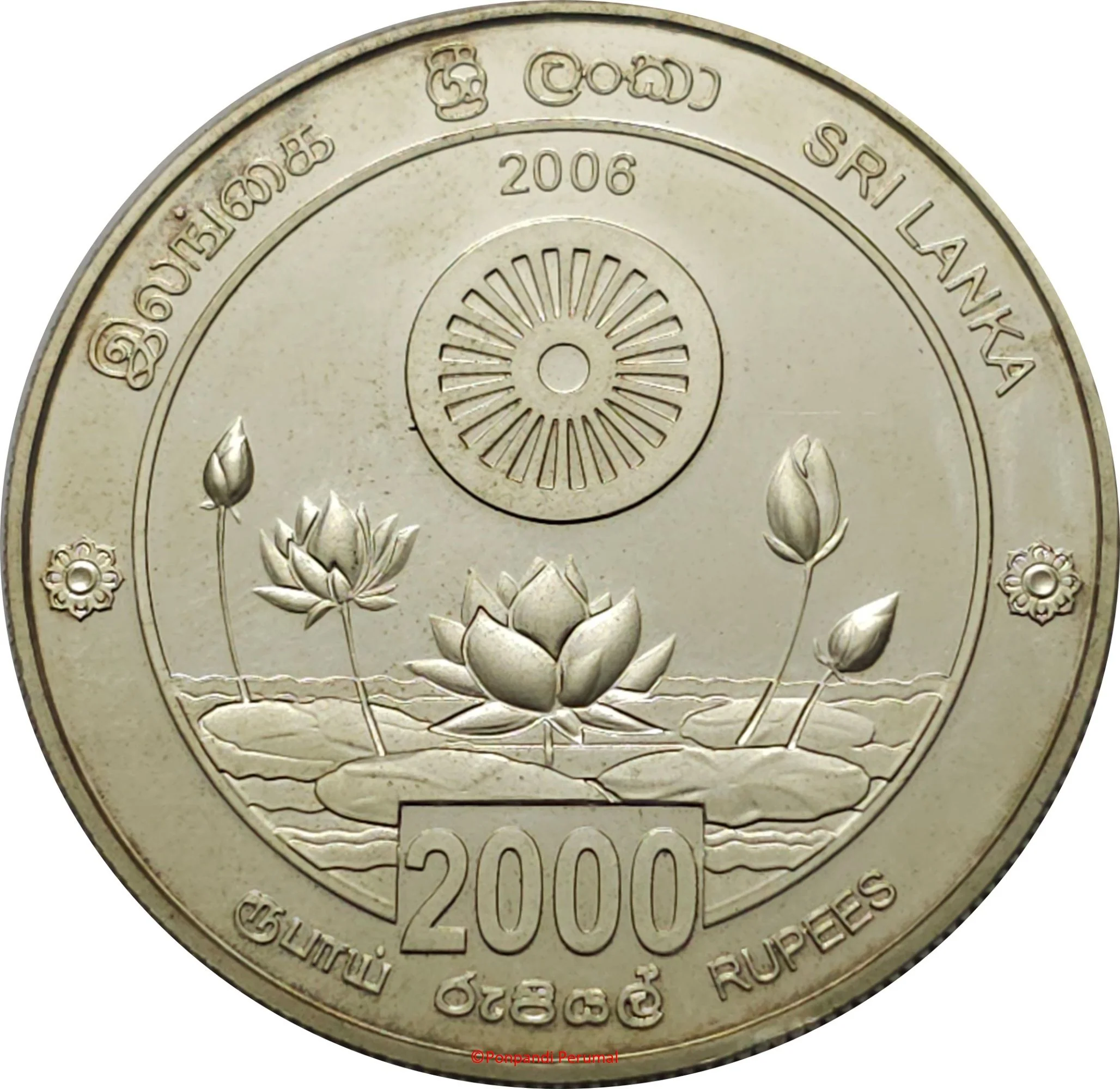
2000 rupees (Buddha Jayanthi) – Sri Lanka
Add to wishlist
Non-circulating coins
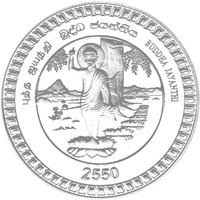
Commemoration: 2550th Anniversary of Buddha Jayanthi
Sri Lanka
Obverse
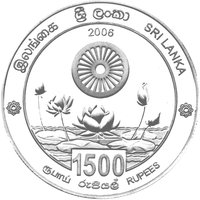
Reverse
Edge
Mints
| Name | Mark |
|---|---|
| Royal Mint | — |
Mintings
| Year | Mint Mark | Mintage | Quality | Collection |
|---|---|---|---|---|
| 2006 | — | 10,000 | Proof |
Historical background
In 2006, Sri Lanka's currency situation was characterized by managed stability under significant pressure, set against the backdrop of a deteriorating civil war. The Central Bank of Sri Lanka (CBSL) maintained a de facto peg of the Sri Lankan Rupee (LKR) to the US Dollar, actively intervening in the foreign exchange market to keep it within a tight band around Rs. 103-105 per USD. This policy aimed to control inflation and provide certainty for importers and external debt servicing, which were crucial for the war-affected economy. However, this stability was artificially sustained through heavy intervention, drawing down foreign reserves to defend the rupee's value.
Underlying this stable exchange rate were mounting economic vulnerabilities. The intensifying conflict with the LTTE led to soaring defence expenditures, diverting funds from development and contributing to a widening fiscal deficit. Furthermore, the high cost of imports, particularly oil, coupled with weak export performance, resulted in a growing current account deficit. To finance these imbalances and support the peg, Sri Lanka relied heavily on foreign borrowing, including sovereign bonds, and remittances from overseas workers. This increased the country's external debt burden and left the currency vulnerable to shifts in investor sentiment.
Consequently, while the rupee appeared stable on the surface in 2006, economists widely viewed the situation as unsustainable in the long term. The CBSL was effectively using its reserves to prop up the currency, masking fundamental weaknesses. The pressures from the "twin deficits" (fiscal and current account), rising debt, and the economic strain of the war created a fragile equilibrium, setting the stage for the severe balance of payments crises that would emerge in the following years. The managed float was, therefore, a short-term stabilizer in an increasingly volatile economic and political climate.
Underlying this stable exchange rate were mounting economic vulnerabilities. The intensifying conflict with the LTTE led to soaring defence expenditures, diverting funds from development and contributing to a widening fiscal deficit. Furthermore, the high cost of imports, particularly oil, coupled with weak export performance, resulted in a growing current account deficit. To finance these imbalances and support the peg, Sri Lanka relied heavily on foreign borrowing, including sovereign bonds, and remittances from overseas workers. This increased the country's external debt burden and left the currency vulnerable to shifts in investor sentiment.
Consequently, while the rupee appeared stable on the surface in 2006, economists widely viewed the situation as unsustainable in the long term. The CBSL was effectively using its reserves to prop up the currency, masking fundamental weaknesses. The pressures from the "twin deficits" (fiscal and current account), rising debt, and the economic strain of the war created a fragile equilibrium, setting the stage for the severe balance of payments crises that would emerge in the following years. The managed float was, therefore, a short-term stabilizer in an increasingly volatile economic and political climate.

💎 Extremely Rare