

200 Zlotys – Poland
Non-circulating coins
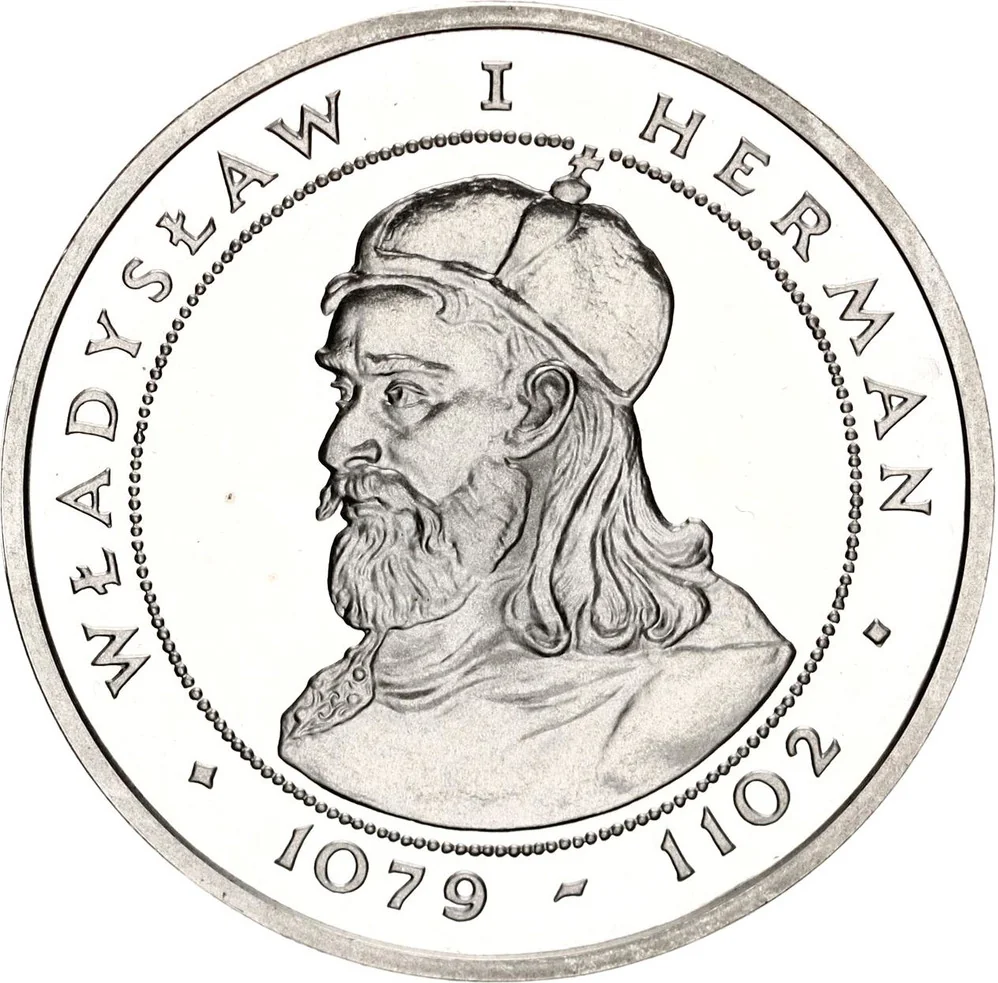
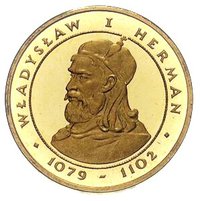
Commemoration: Polish Rulers Series - Władysław I Herman
Poland

Obverse
Description:
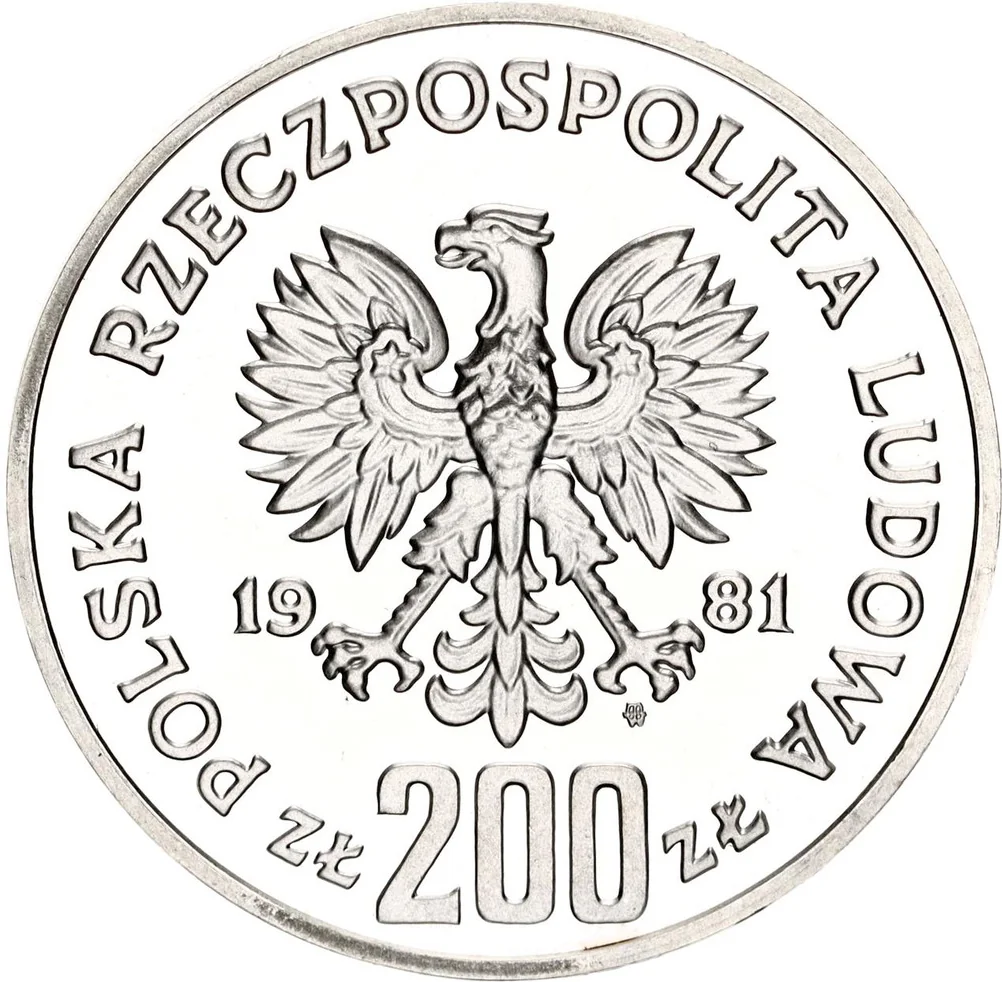
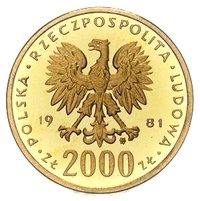
Imperial eagle atop value.
Inscription:
POLSKA RZECZPOSPOLITA LUDOWA
19 81
mw
ZŁ 200 ZŁ
19 81
mw
ZŁ 200 ZŁ
Translation:
PEOPLE'S REPUBLIC OF POLAND
19 81
mw
200 ZŁ 200 ZŁ
19 81
mw
200 ZŁ 200 ZŁ
Script: Latin
Language: Polish
Engraver: Stanisława Wątróbska-Frindt
Reverse
Inscription:
WŁADYSŁAW I HERMAN
◆ 1079 ~1102 ◆
◆ 1079 ~1102 ◆
Translation:
WLADYSLAW I HERMAN
◆ 1079 ~1102 ◆
◆ 1079 ~1102 ◆
Script: Latin
Language: Polish
Engraver: Stanisława Wątróbska-Frindt
Edge
Plain
Mints
| Name | Mark |
|---|---|
| Mint of Poland | MW |
Mintings
| Year | Mint Mark | Mintage | Quality | Collection |
|---|---|---|---|---|
| 1981 | MW | 12,000 | Proof |
Historical background
In 1981, Poland's currency situation was a critical symptom of the deep economic and political crisis engulfing the nation. The Polish złoty was essentially a non-convertible, soft currency plagued by severe inflation, widespread shortages, and a vast disconnect between official exchange rates and black-market reality. The government, led by General Wojciech Jaruzelski, maintained an artificially strong official rate (around 50 złoty to the US dollar) for propaganda purposes, while the thriving black market rate was over ten times higher, reflecting the currency's true, plummeting value. This disparity crippled foreign trade and made any legitimate business with the West nearly impossible.
The root causes were systemic failures of the centrally planned economy, compounded by the burden of massive foreign debt accumulated in the 1970s. Rampant money printing to cover state deficits and subsidize basic goods, combined with collapsing industrial output and the disruptive effects of the independent Solidarity trade union's activism, led to hyperinflationary pressures. By late 1981, the economy was in freefall, with empty store shelves and ration cards for essential items like food, clothing, and gasoline becoming commonplace, further eroding public confidence in the złoty.
The currency chaos was a key factor in the regime's justification for imposing martial law on December 13, 1981. The Jaruzelski government aimed to crush Solidarity and impose harsh economic discipline to stabilize the situation. While martial law temporarily suppressed social unrest, it did not solve the underlying economic problems. The złoty remained fundamentally weak, and the economy continued to operate through a distorted system of rationing, queues, and a pervasive black market, setting the stage for the deeper crises and eventual radical reforms of the late 1980s.
The root causes were systemic failures of the centrally planned economy, compounded by the burden of massive foreign debt accumulated in the 1970s. Rampant money printing to cover state deficits and subsidize basic goods, combined with collapsing industrial output and the disruptive effects of the independent Solidarity trade union's activism, led to hyperinflationary pressures. By late 1981, the economy was in freefall, with empty store shelves and ration cards for essential items like food, clothing, and gasoline becoming commonplace, further eroding public confidence in the złoty.
The currency chaos was a key factor in the regime's justification for imposing martial law on December 13, 1981. The Jaruzelski government aimed to crush Solidarity and impose harsh economic discipline to stabilize the situation. While martial law temporarily suppressed social unrest, it did not solve the underlying economic problems. The złoty remained fundamentally weak, and the economy continued to operate through a distorted system of rationing, queues, and a pervasive black market, setting the stage for the deeper crises and eventual radical reforms of the late 1980s.
💎 Extremely Rare