

2 toman – Iran
Add to wishlist
Circulating commemorative coins
Commemoration: Royal Visit to Tehran Mint
Iran
Context
Year: 1891
Islamic (Hijri) Year:: 1308
Issuer: Iran
Ruler: Naser al-Din Shah
Currency:
(1825—1932)
Demonetized: Yes
Material
References
KM: #
Numista: #62119
Value
Bullion value: $805.68
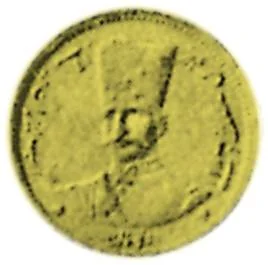
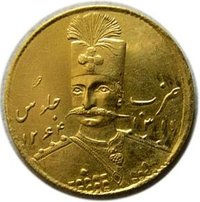
Obverse
Inscription:
جلوس سلطنت در سنه ۱۲۶۴
دو تومان
ضرب ایران در سنه ۱۳
دو تومان
ضرب ایران در سنه ۱۳
Translation:
Accession to the throne in the year 1264
Two Tomans
Struck in Iran in the year 13
Two Tomans
Struck in Iran in the year 13
Language: Persian
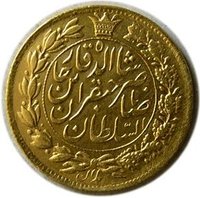
Reverse
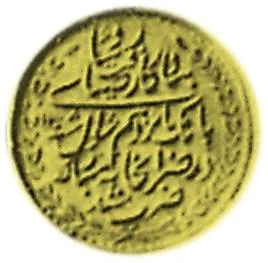
Inscription:
بیادگار ضیافت رؤسای
بانک پانزدهم شوال سنه ۱۳۰۸
در ضرابخانه مبارکه ضرب شد
بانک پانزدهم شوال سنه ۱۳۰۸
در ضرابخانه مبارکه ضرب شد
Translation:
In commemoration of the banquet of the directors of the Bank. Fifteenth of Shawwal, year 1308. Struck in the auspicious mint.
Language: Persian
Edge
Mintings
| Year | Mint Mark | Mintage | Quality | Collection |
|---|---|---|---|---|
| 1891 | — | — |
Historical background
In 1891, Iran's currency situation was characterized by profound instability and complexity, rooted in the Qajar dynasty's chronic financial mismanagement and growing foreign interference. The monetary system was a chaotic mix of silver krans and copper shahis, with coins minted by various provincial authorities and even private individuals, leading to wide variations in weight, purity, and value. This fragmentation was exacerbated by the government's practice of debasement—reducing the silver content in coins to finance its deficits—which fueled inflation, eroded public trust, and crippled domestic trade.
The year itself was pivotal due to the fallout from the Tobacco Protest, a mass movement that forced the Shah to cancel a lucrative monopoly granted to a British company. This event directly impacted state finances, as the government had already spent the large concession payment from the British and now faced the ruinous cost of compensating the company. This fiscal crisis further strained the currency system, as the state sought ways to cover its obligations, often resorting to further predatory borrowing from European creditors at high interest rates, mortgaging future revenues and deepening economic dependence.
Consequently, the currency disorder of 1891 was not merely a technical monetary issue but a symptom of a weakening sovereignty. The inability to maintain a stable medium of exchange reflected the central government's loss of control over its economy and its subordination to British and Russian financial interests. This precarious environment set the stage for more radical attempts at monetary reform in the subsequent decade, as the Qajar state struggled to modernize its finances in the face of internal decay and external pressure.
The year itself was pivotal due to the fallout from the Tobacco Protest, a mass movement that forced the Shah to cancel a lucrative monopoly granted to a British company. This event directly impacted state finances, as the government had already spent the large concession payment from the British and now faced the ruinous cost of compensating the company. This fiscal crisis further strained the currency system, as the state sought ways to cover its obligations, often resorting to further predatory borrowing from European creditors at high interest rates, mortgaging future revenues and deepening economic dependence.
Consequently, the currency disorder of 1891 was not merely a technical monetary issue but a symptom of a weakening sovereignty. The inability to maintain a stable medium of exchange reflected the central government's loss of control over its economy and its subordination to British and Russian financial interests. This precarious environment set the stage for more radical attempts at monetary reform in the subsequent decade, as the Qajar state struggled to modernize its finances in the face of internal decay and external pressure.
✨ Legendary