

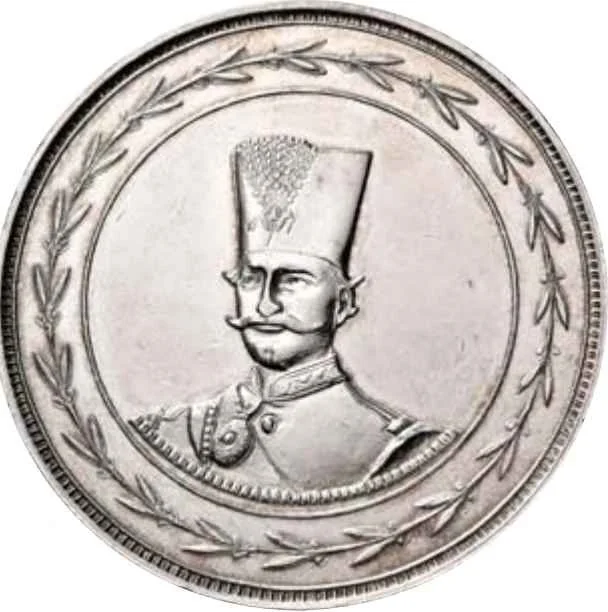
1 toman – Iran
Add to wishlist
Circulating commemorative coins
Commemoration: Royal Visit
Iran
Context
Year: 1890
Islamic (Hijri) Year:: 1307
Issuer: Iran
Ruler: Naser al-Din Shah
Currency:
(1825—1932)
Demonetized: Yes
Material
References
KM: #
Numista: #62100
Value
Bullion value: $105.08
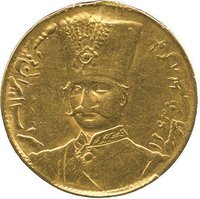
Obverse
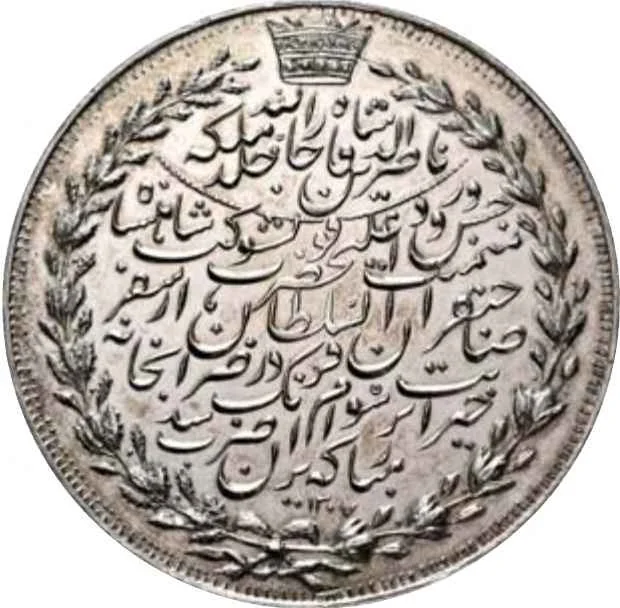
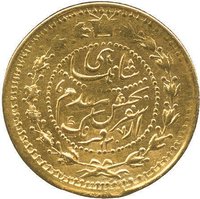
Reverse
Inscription:
ناصرالدین شاه قاجار خلد الله ملکه
بمیمنت جشن ورود اعلیحضرت قویشوکت شاهنشاه
صاحبقران السلطان، از سفر
خیریت اثر سوم فرنگ در ضرابخانه
مبارکه ایران ضرب شد
۱۳۰۷
بمیمنت جشن ورود اعلیحضرت قویشوکت شاهنشاه
صاحبقران السلطان، از سفر
خیریت اثر سوم فرنگ در ضرابخانه
مبارکه ایران ضرب شد
۱۳۰۷
Translation:
Nasser al-Din Shah Qajar, may God perpetuate his kingdom,
By the blessing of the festival of the arrival of His Majesty, the Powerful Majesty, the King of Kings,
The Sovereign, from the
third auspicious journey to Europe, struck in the
auspicious mint of Iran.
1307
By the blessing of the festival of the arrival of His Majesty, the Powerful Majesty, the King of Kings,
The Sovereign, from the
third auspicious journey to Europe, struck in the
auspicious mint of Iran.
1307
Language: Persian
Edge
Mints
| Name | Mark |
|---|---|
| Tehran | ضرابخانه مبارکه |
Mintings
| Year | Mint Mark | Mintage | Quality | Collection |
|---|---|---|---|---|
| 1890 | — | — |
Historical background
By 1890, Iran's monetary system was in a state of profound disarray, characterized by a chaotic multiplicity of coins and severe depreciation. The country lacked a unified national currency; instead, a confusing array of domestic and foreign coins circulated. These included the silver kran, the copper shahi and pul, and gold tomans (a unit of account). Crucially, the value of silver krans had plummeted due to a global fall in silver prices, leading to a disastrous divergence between the silver-based currency and the gold-based toman. This instability was compounded by chronic budget deficits, which the Qajar state addressed through debasement—reducing the silver content in newly minted coins—further eroding public trust and fueling inflation.
The situation was exacerbated by extensive foreign economic interference, particularly from Russia and Great Britain, whose spheres of influence were expanding in Iran. Both powers pressured the Qajar government for lucrative concessions, and their banks and trading houses introduced foreign silver coins (like the Russian ruble and the Maria Theresa thaler) that often circulated at preferential rates. This external influence undermined what little monetary sovereignty Tehran possessed. Furthermore, the government had granted a British subject, Baron Julius de Reuter, a sweeping concession in 1872 that included mining rights, and though it was cancelled, it set a precedent for foreign control over key resources that could impact the nation's wealth and currency stability.
This monetary chaos had severe consequences for the Iranian economy and society. Unpredictable exchange rates between copper, silver, and gold made everyday trade difficult, stifling commerce and creating widespread hardship for merchants and the populace. The state's financial weakness and its reliance on foreign loans, often secured against future customs revenues, created a vicious cycle of debt and dependency. The deteriorating currency was a visible symptom of the Qajar state's administrative fragility and its inability to modernize its fiscal institutions, setting the stage for the economic grievances that would fuel the Constitutional Revolution just over a decade later.
The situation was exacerbated by extensive foreign economic interference, particularly from Russia and Great Britain, whose spheres of influence were expanding in Iran. Both powers pressured the Qajar government for lucrative concessions, and their banks and trading houses introduced foreign silver coins (like the Russian ruble and the Maria Theresa thaler) that often circulated at preferential rates. This external influence undermined what little monetary sovereignty Tehran possessed. Furthermore, the government had granted a British subject, Baron Julius de Reuter, a sweeping concession in 1872 that included mining rights, and though it was cancelled, it set a precedent for foreign control over key resources that could impact the nation's wealth and currency stability.
This monetary chaos had severe consequences for the Iranian economy and society. Unpredictable exchange rates between copper, silver, and gold made everyday trade difficult, stifling commerce and creating widespread hardship for merchants and the populace. The state's financial weakness and its reliance on foreign loans, often secured against future customs revenues, created a vicious cycle of debt and dependency. The deteriorating currency was a visible symptom of the Qajar state's administrative fragility and its inability to modernize its fiscal institutions, setting the stage for the economic grievances that would fuel the Constitutional Revolution just over a decade later.
✨ Legendary