

1 Onza – Mexico
Non-circulating coins
Commemoration: Turn of the Millennium
Mexico
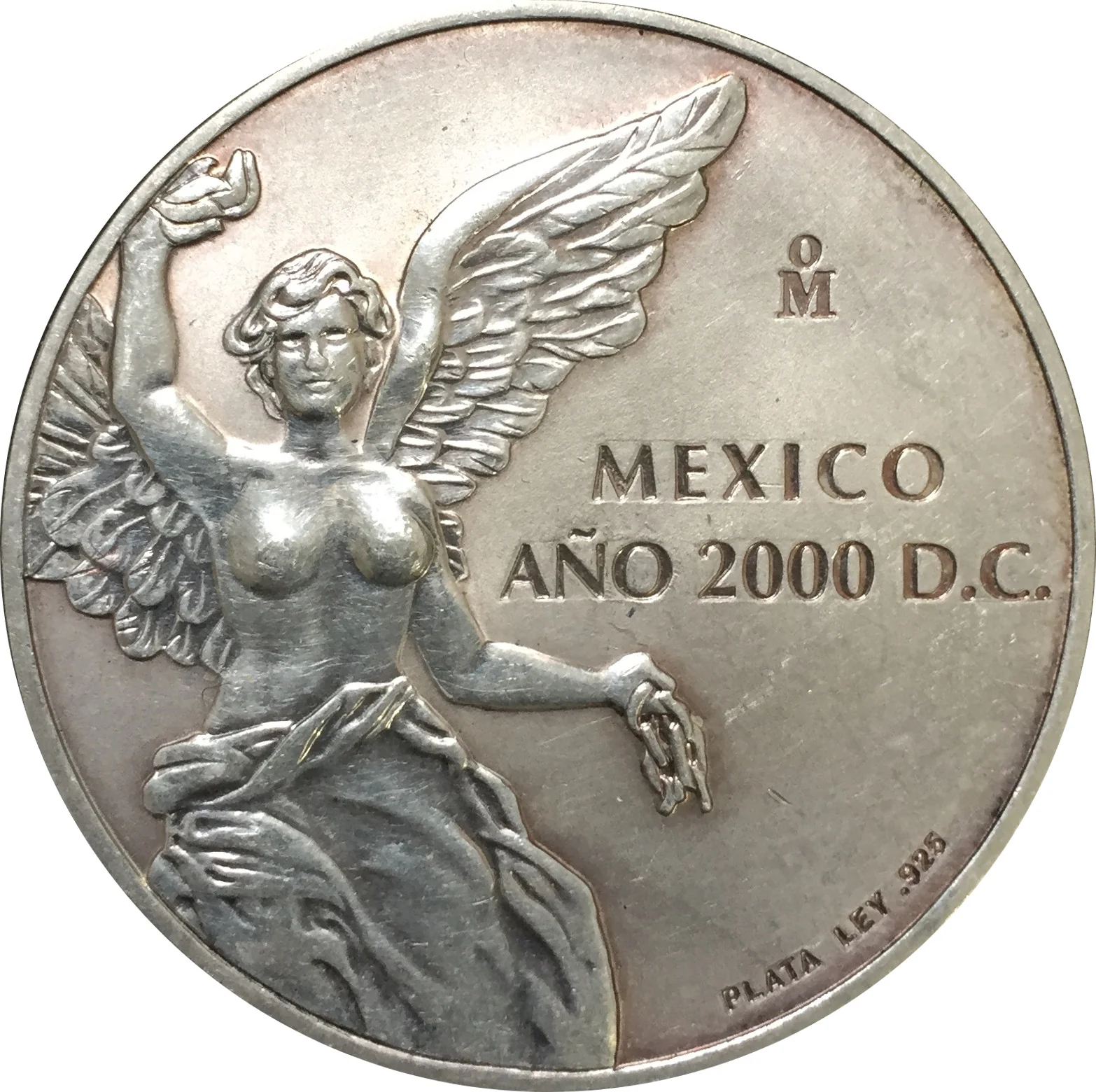
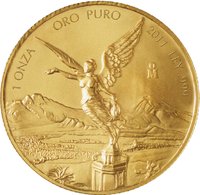
Obverse
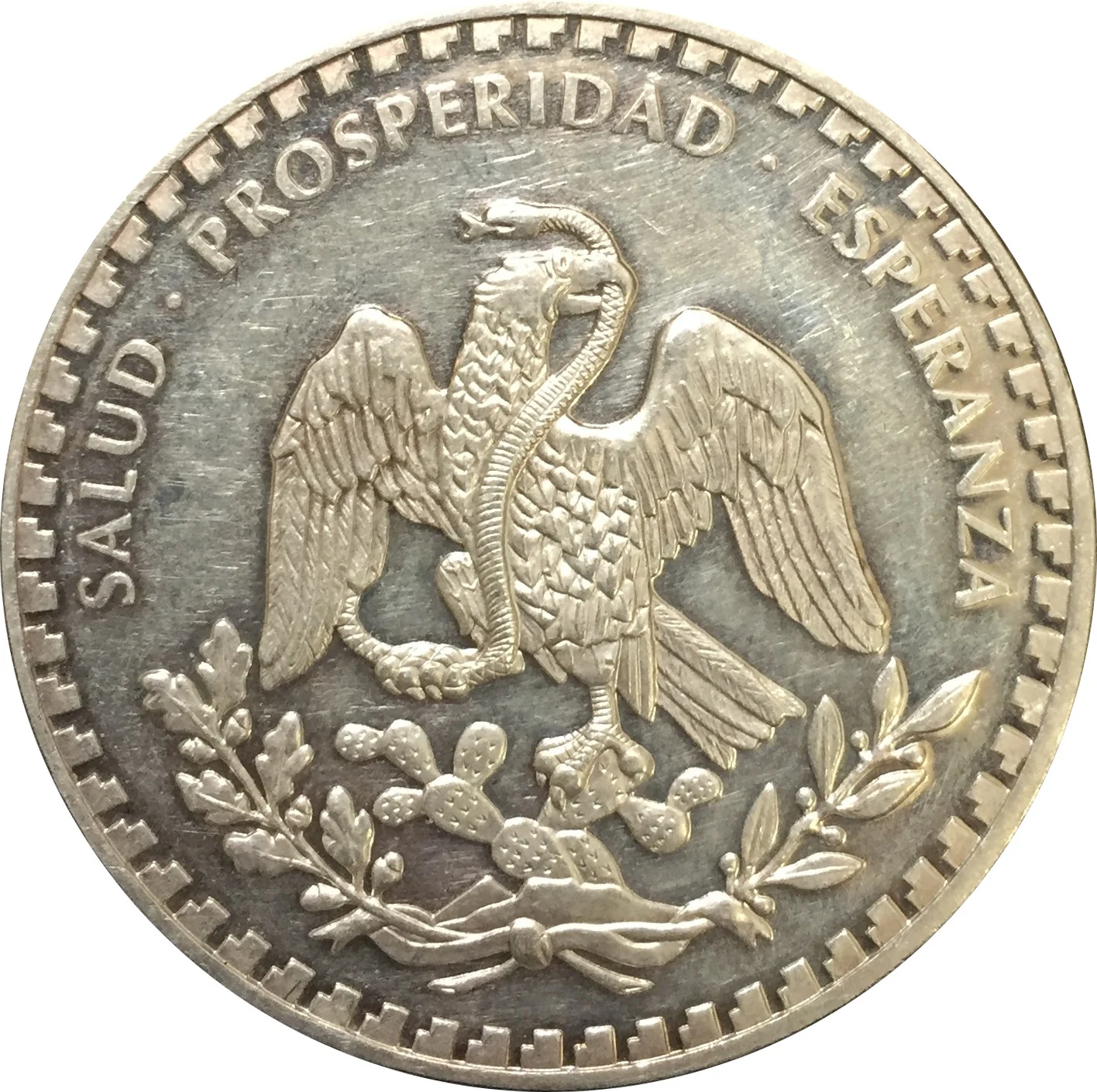
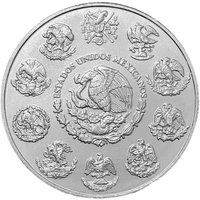
Reverse
Edge
Mints
| Name | Mark |
|---|---|
| Mexican Mint | (mo) |
Mintings
| Year | Mint Mark | Mintage | Quality | Collection |
|---|---|---|---|---|
| 2000 | Mo | — | Prooflike |
Historical background
In the year 2000, Mexico's currency, the peso, operated under a floating exchange rate regime, a pivotal shift that had been in place since the devastating financial crisis of late 1994. This crisis, known as the "Tequila Crisis," forced the government to abandon its previous policy of a fixed, but gradually devalued, exchange rate band. The move to a free float was initially traumatic, causing the peso to lose over half its value and triggering a deep recession, but by 2000 it was widely seen as a necessary and largely successful reform. The floating peso allowed the economy to absorb external shocks through currency movements rather than through a sudden depletion of foreign reserves, providing a crucial buffer for the financial system.
The macroeconomic context in 2000 was one of relative stability and optimism. Under President Ernesto Zedillo's administration (1994-2000), prudent fiscal and monetary policies, coupled with significant banking sector restructuring, had restored investor confidence. Inflation, which had skyrocketed during the crisis, was brought under control, falling to single digits (around 9.5%) for the first time in decades. The Banco de México had gained formal autonomy in 1993, and by 2000 it was effectively using interest rates to target inflation, further anchoring monetary policy. This stability was reflected in the peso's performance, which traded with moderate volatility within a range of approximately 9 to 10 pesos per US dollar throughout the year.
Looking forward, the currency situation in 2000 was framed by the recent launch of the North American Free Trade Agreement (NAFTA) and the historic presidential election in July, which ended 71 years of rule by the Institutional Revolutionary Party (PRI). The victory of Vicente Fox of the National Action Party (PAN) signaled a deepening of democratic and market-oriented reforms. While the floating regime was firmly established, the key challenges remained: fostering stronger and more equitable economic growth, managing the economy's sensitivity to US business cycles, and ensuring that currency stability translated into tangible benefits for the broader population. The peso in 2000 thus symbolized both Mexico's hard-won macroeconomic resilience and the ongoing challenges of its development path.
The macroeconomic context in 2000 was one of relative stability and optimism. Under President Ernesto Zedillo's administration (1994-2000), prudent fiscal and monetary policies, coupled with significant banking sector restructuring, had restored investor confidence. Inflation, which had skyrocketed during the crisis, was brought under control, falling to single digits (around 9.5%) for the first time in decades. The Banco de México had gained formal autonomy in 1993, and by 2000 it was effectively using interest rates to target inflation, further anchoring monetary policy. This stability was reflected in the peso's performance, which traded with moderate volatility within a range of approximately 9 to 10 pesos per US dollar throughout the year.
Looking forward, the currency situation in 2000 was framed by the recent launch of the North American Free Trade Agreement (NAFTA) and the historic presidential election in July, which ended 71 years of rule by the Institutional Revolutionary Party (PRI). The victory of Vicente Fox of the National Action Party (PAN) signaled a deepening of democratic and market-oriented reforms. While the floating regime was firmly established, the key challenges remained: fostering stronger and more equitable economic growth, managing the economy's sensitivity to US business cycles, and ensuring that currency stability translated into tangible benefits for the broader population. The peso in 2000 thus symbolized both Mexico's hard-won macroeconomic resilience and the ongoing challenges of its development path.
💎 Extremely Rare