

25 florin (Olympics) – Aruba
Add to wishlist
Non-circulating coins
Commemoration: 100th Anniversary of the Olympics
Netherlands
Context
Year: 1995
Country: Netherlands
Issuer: Aruba
Ruler: Beatrix
Currency:
(since 1986)
Total mintage: 1,700
Material
References
KM: #
Numista: #61126
Value
Exchange value: 25 AWG
Bullion value: $57.65
Inflation-adjusted value: 48.68 AWG
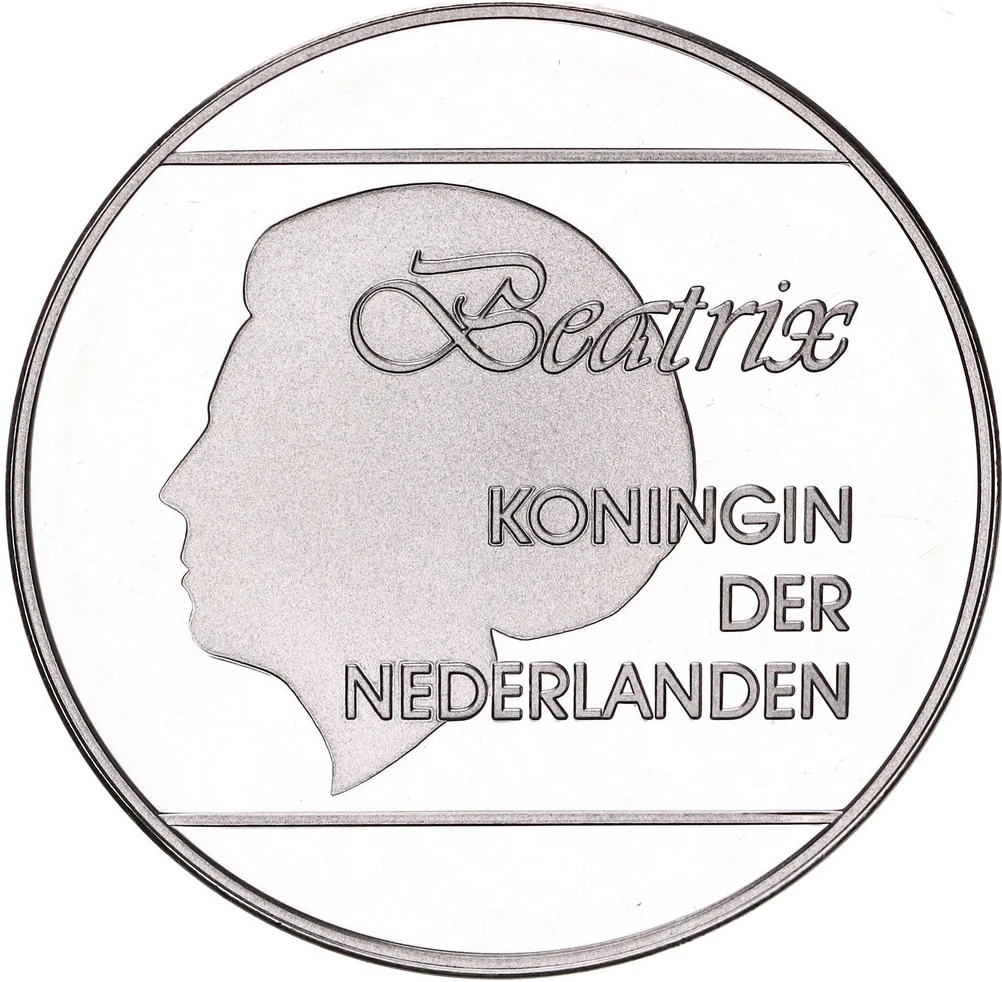
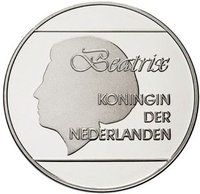
Obverse
Description:
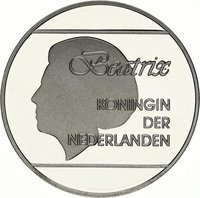
Queen Beatrix's head
Inscription:
Beatrix
KONINGIN DER NEDERLANDEN
KONINGIN DER NEDERLANDEN
Translation:
Beatrix
Queen of the Netherlands
Queen of the Netherlands
Script: Latin
Language: Dutch
Engraver: Evelino Fingal
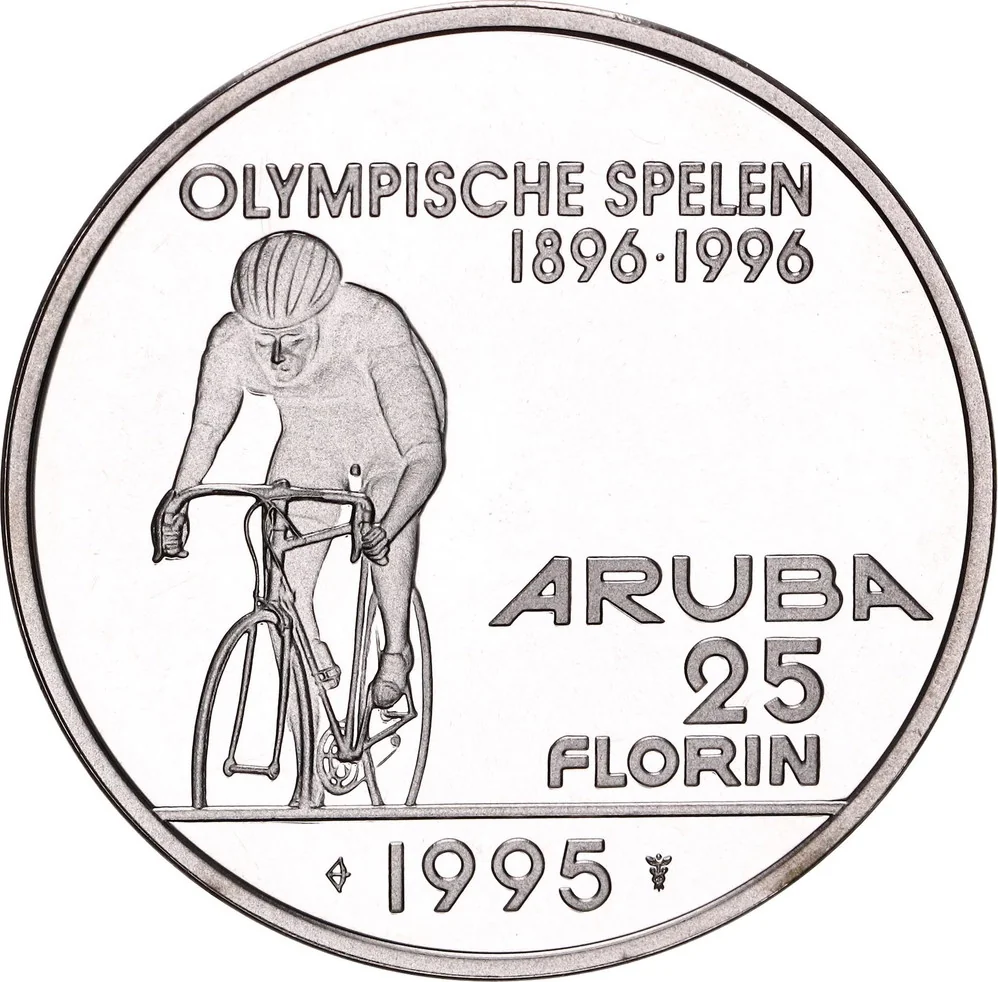
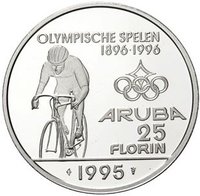
Reverse
Description:
Cyclist, date:
Inscription:
OLYMPISCHE SPELEN
1896·1996
ARUBA
25 FLORIN
1995
1896·1996
ARUBA
25 FLORIN
1995
Translation:
OLYMPIC GAMES
1896·1996
ARUBA
25 FLORIN
1995
1896·1996
ARUBA
25 FLORIN
1995
Script: Latin
Engraver: Evelino Fingal
Edge
Plain
Mints
| Name | Mark |
|---|---|
| Royal Dutch Mint | — |
Mintings
| Year | Mint Mark | Mintage | Quality | Collection |
|---|---|---|---|---|
| 1995 | — | 1,700 | Proof |
Historical background
In 1995, Aruba's currency situation was defined by its continued use of the Aruban florin (AWG), which had been pegged to the United States dollar at a fixed and highly stable rate of 1.79 florin to 1 USD since its introduction in 1986. This peg was a cornerstone of the island's economic policy, established when Aruba obtained "Status Aparte" and seceded from the Netherlands Antilles. The primary objective was to ensure monetary stability, control inflation, and foster a predictable environment for the island's vital tourism industry and foreign investment. The Central Bank of Aruba, established in the same year, was tasked with maintaining this peg through disciplined monetary policy and holding sufficient foreign exchange reserves.
The system functioned effectively in 1995, providing notable price stability and confidence for both residents and international businesses. However, it also meant that Aruba relinquished independent control over its monetary policy; interest rates and money supply were largely dictated by the need to maintain the dollar peg and by U.S. Federal Reserve policies. This structure made the economy vulnerable to external shocks from the U.S. economy and required consistent foreign exchange earnings, primarily from tourism and refining, to defend the fixed rate.
Overall, the 1995 currency landscape reflected a period of successful consolidation. The fixed exchange rate was a key element in Aruba's economic strategy, supporting its transition toward a service-based economy. While the peg imposed certain constraints and dependencies, it was widely credited during this period with providing the stability necessary for sustained economic growth and development on the island.
The system functioned effectively in 1995, providing notable price stability and confidence for both residents and international businesses. However, it also meant that Aruba relinquished independent control over its monetary policy; interest rates and money supply were largely dictated by the need to maintain the dollar peg and by U.S. Federal Reserve policies. This structure made the economy vulnerable to external shocks from the U.S. economy and required consistent foreign exchange earnings, primarily from tourism and refining, to defend the fixed rate.
Overall, the 1995 currency landscape reflected a period of successful consolidation. The fixed exchange rate was a key element in Aruba's economic strategy, supporting its transition toward a service-based economy. While the peg imposed certain constraints and dependencies, it was widely credited during this period with providing the stability necessary for sustained economic growth and development on the island.
💎 Extremely Rare