

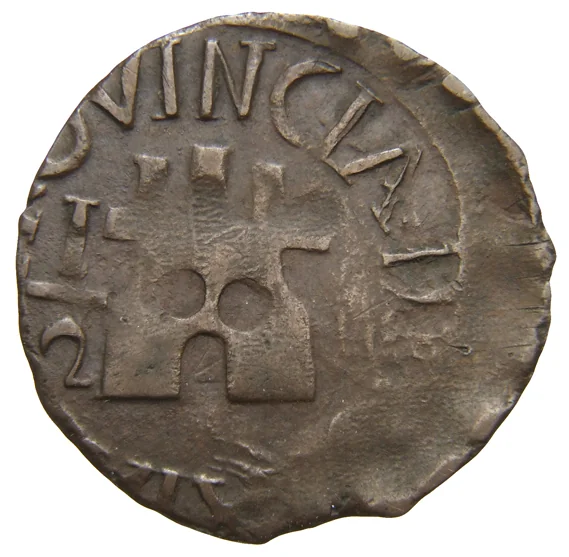
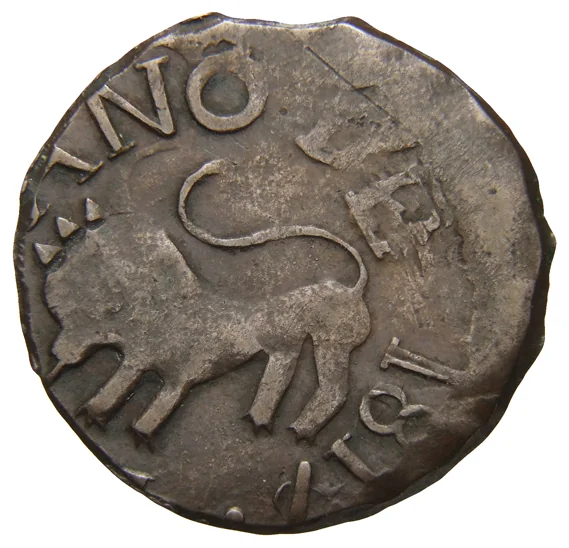
½ Real – Guayana
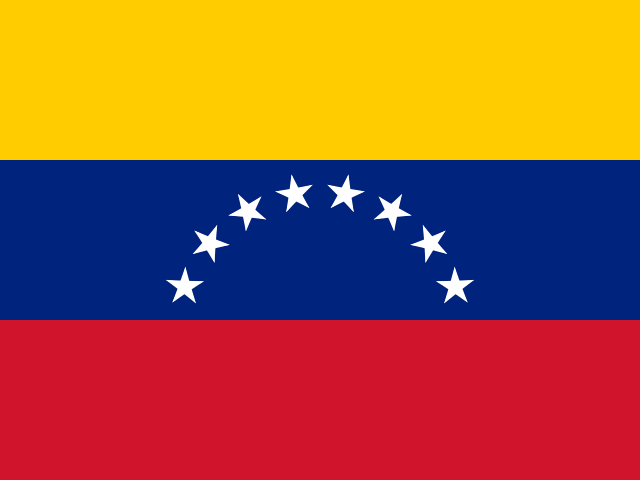
Venezuela
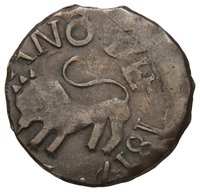
Obverse
Reverse
Edge
Categories
| Animal> Feline |
| Building> Castle or fortification |
Mintings
| Year | Mint Mark | Mintage | Quality | Collection |
|---|---|---|---|---|
| 1813 | — | — | ||
| 1814 | — | — | ||
| 1815 | — | — | ||
| 1816 | — | — | ||
| 1817 | — | — |
Historical background
In 1813, the currency situation in the province of Guayana (part of the Captaincy General of Venezuela) was chaotic and deeply intertwined with the ongoing Venezuelan War of Independence. The region, a key strategic and economic center on the Orinoco River, was under the control of republican patriots following its liberation by Santiago Mariño and Manuel Piar in 1813. However, the royalist blockade of the coast and the disruption of traditional trade routes created severe economic isolation and a critical shortage of circulating specie (coinage). This scarcity crippled commerce and hampered the ability of the nascent revolutionary government to pay and supply its troops.
To address this crisis, the republican authorities, operating from Angostura (later Ciudad Bolívar), resorted to emergency monetary measures. The most significant was the issuance of paper money, a novel and risky experiment for the time. These bills, essentially promissory notes, were mandated as legal tender for all transactions. Simultaneously, due to a lack of precious metals for minting, the government circulated low-value "señoreaje" coins made of copper, which were intended to facilitate everyday small-scale commerce but were often met with public skepticism.
The result was a fragile and inflationary monetary environment. The paper money, backed only by the promise of future redemption after victory, quickly began to depreciate as public confidence wavered amidst the uncertainties of war. This period in Guayana set the stage for the profound monetary challenges that would plague the republic for the rest of the decade, establishing a pattern of emergency emissions that would culminate in the famous "moneda macuquina" re-minting operations under Bolívar's administration later in the 1810s.
To address this crisis, the republican authorities, operating from Angostura (later Ciudad Bolívar), resorted to emergency monetary measures. The most significant was the issuance of paper money, a novel and risky experiment for the time. These bills, essentially promissory notes, were mandated as legal tender for all transactions. Simultaneously, due to a lack of precious metals for minting, the government circulated low-value "señoreaje" coins made of copper, which were intended to facilitate everyday small-scale commerce but were often met with public skepticism.
The result was a fragile and inflationary monetary environment. The paper money, backed only by the promise of future redemption after victory, quickly began to depreciate as public confidence wavered amidst the uncertainties of war. This period in Guayana set the stage for the profound monetary challenges that would plague the republic for the rest of the decade, establishing a pattern of emergency emissions that would culminate in the famous "moneda macuquina" re-minting operations under Bolívar's administration later in the 1810s.

⭐ Rare