

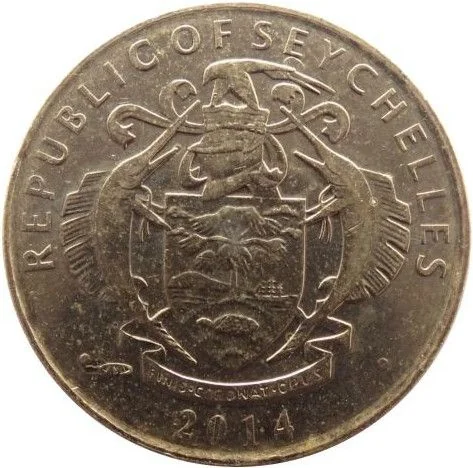
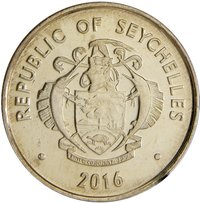
Obverse
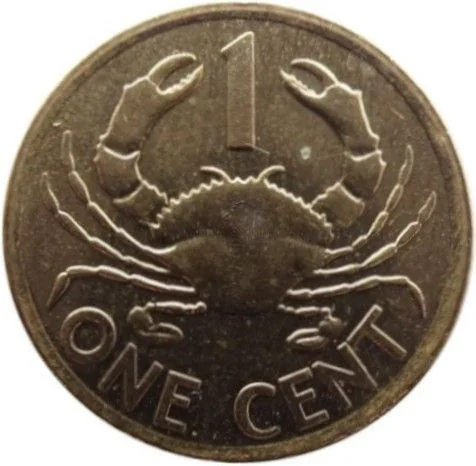
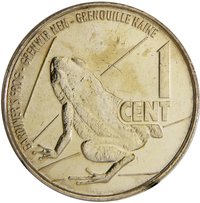
Reverse
Description:
Mud Crab: affordable seafood.
Inscription:
1
ONE CENT
ONE CENT
Script: Latin
Engraver: Roberto Elderton
Edge
Plain
Categories
| Animal> Fish |
| Animal> Marine invertebrate |
| Symbols> Coat of Arms |
| Animal> Bird |
| Animal> Crustacean |
Mints
| Name | Mark |
|---|---|
| South African Mint | — |
Mintings
| Year | Mint Mark | Mintage | Quality | Collection |
|---|---|---|---|---|
| 2012 | SAM | — | ||
| 2014 | SAM | — |
Historical background
In 2012, Seychelles was in the midst of a remarkable economic recovery following a severe balance of payments and debt crisis that had culminated in a default in 2008. The cornerstone of this turnaround was a successful IMF-backed structural reform program initiated in late 2008, which included a dramatic liberalization of the exchange rate regime. By 2012, the country had moved to a floating exchange rate system for the Seychellois rupee (SCR), a critical shift that allowed the currency to find its market value and helped rebuild foreign exchange reserves, which had been nearly depleted.
The currency situation that year was characterized by relative stability and gradual appreciation, a stark contrast to the volatility and depreciation of the preceding crisis years. This stability was underpinned by strong performance in the key tourism and fisheries sectors, which boosted foreign currency earnings. Furthermore, prudent fiscal discipline and the completion of a major debt restructuring deal with the Paris Club in 2010 had restored international confidence, reducing pressure on the rupee. The Central Bank of Seychelles maintained a focus on controlling inflation and building reserves rather than aggressively managing the exchange rate.
Consequently, by the end of 2012, the economic landscape was positive, with the rupee having strengthened significantly from its post-float lows. The successful management of the currency was a central pillar in the nation's broader macroeconomic stabilization, leading to reduced inflation, sustained growth, and the country's graduation from the IMF program in 2011. The situation demonstrated the effectiveness of the reforms and set a foundation for continued, albeit cautious, economic optimism moving forward.
The currency situation that year was characterized by relative stability and gradual appreciation, a stark contrast to the volatility and depreciation of the preceding crisis years. This stability was underpinned by strong performance in the key tourism and fisheries sectors, which boosted foreign currency earnings. Furthermore, prudent fiscal discipline and the completion of a major debt restructuring deal with the Paris Club in 2010 had restored international confidence, reducing pressure on the rupee. The Central Bank of Seychelles maintained a focus on controlling inflation and building reserves rather than aggressively managing the exchange rate.
Consequently, by the end of 2012, the economic landscape was positive, with the rupee having strengthened significantly from its post-float lows. The successful management of the currency was a central pillar in the nation's broader macroeconomic stabilization, leading to reduced inflation, sustained growth, and the country's graduation from the IMF program in 2011. The situation demonstrated the effectiveness of the reforms and set a foundation for continued, albeit cautious, economic optimism moving forward.
🌱 Common