

½ toman – Iran
Add to wishlist
Iran
Context
Material
References
KM: #
Numista: #57939
Value
Bullion value: $370.21
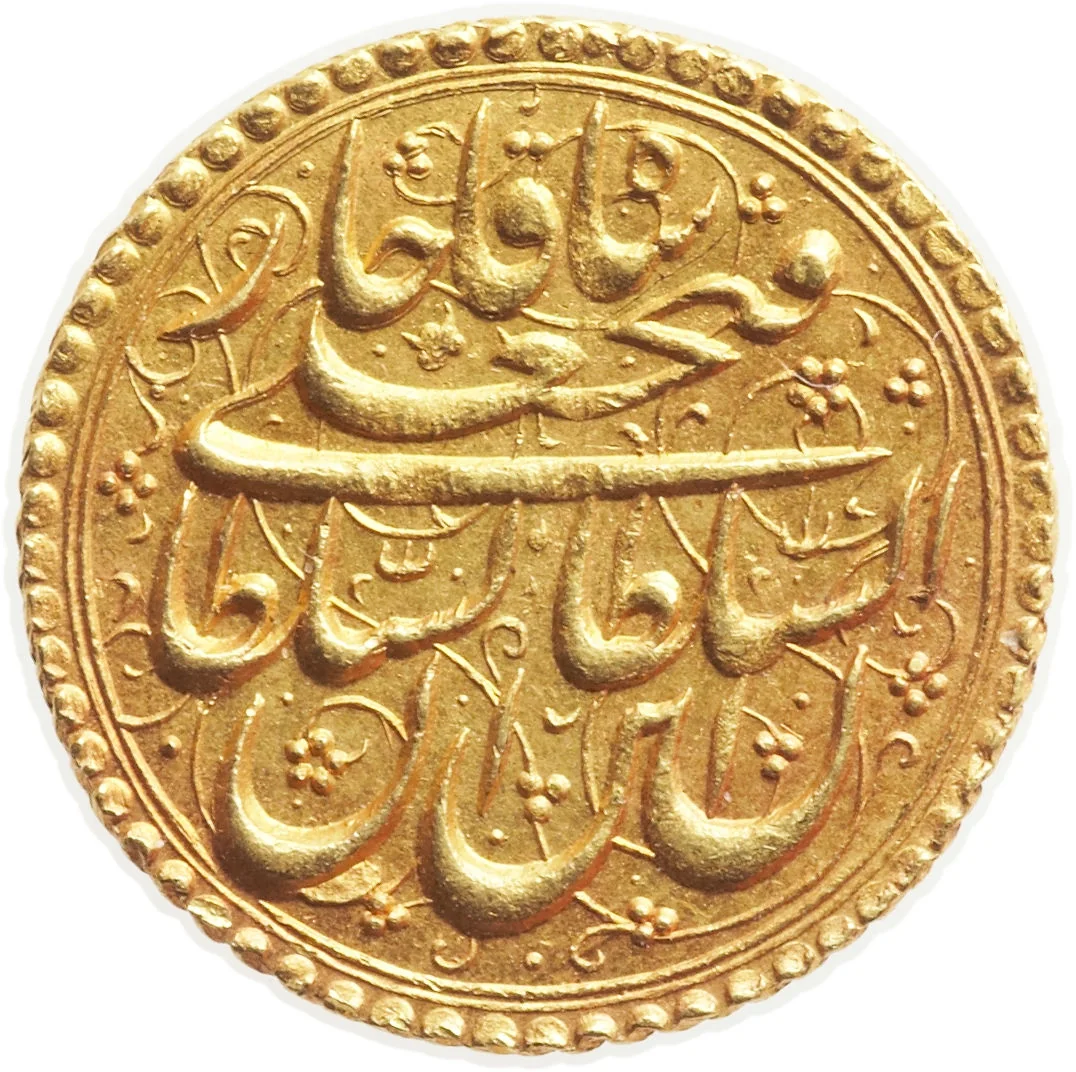
Obverse
Description:
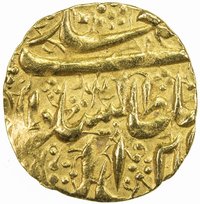
King’s title in four lines, within two circular and one dotted border.
Inscription:
السّلطان بن السّلطان فتحعلی شاه قاجار
Translation:
The Sultan, son of the Sultan, Fath-Ali Shah Qajar
Script: Persian (nastaliq)
Language: Arabic
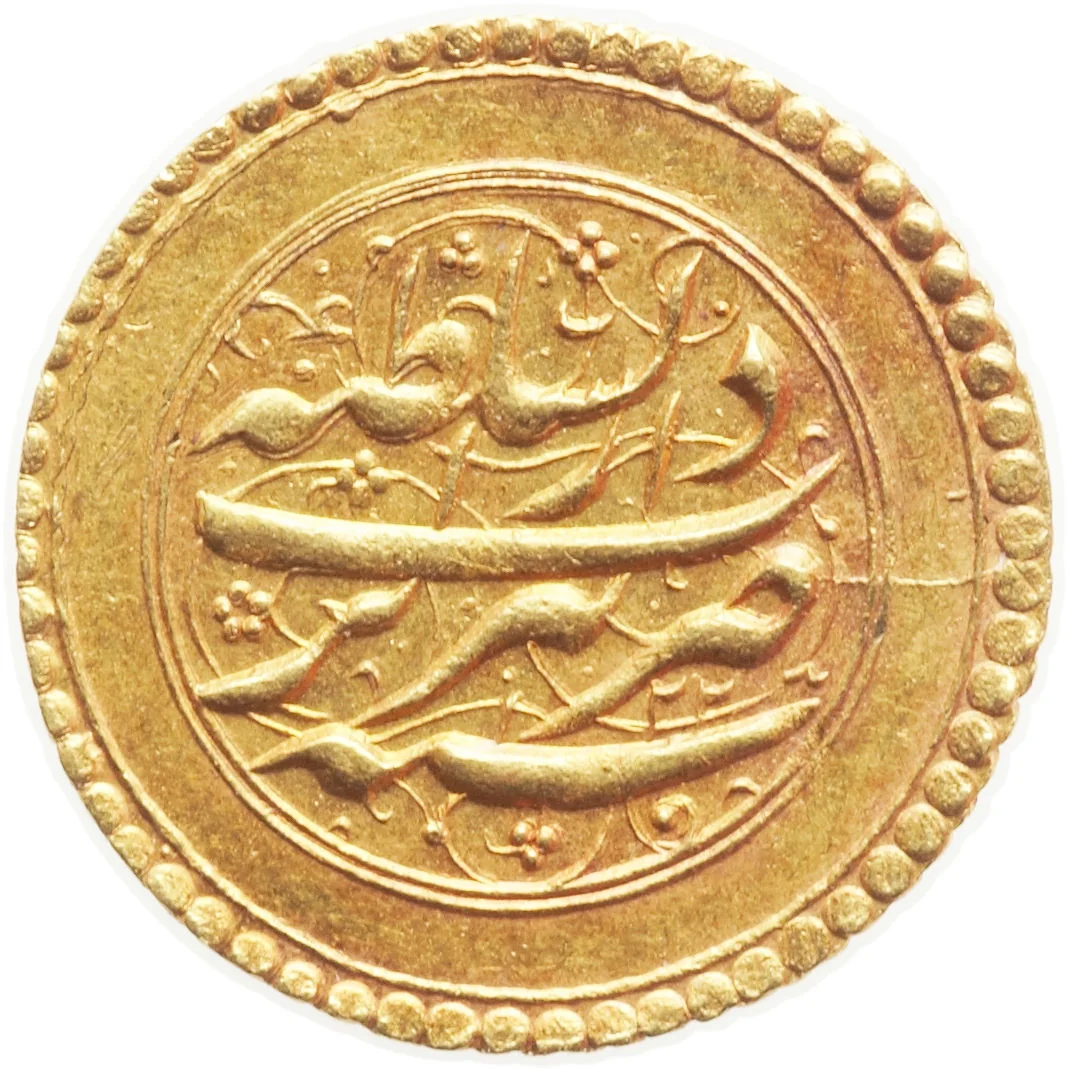
Reverse
Description:
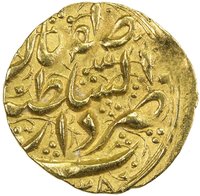
Mint, date.
Three lines.
Two circles, one dotted border.
Three lines.
Two circles, one dotted border.
Inscription:
ضرب دارالسّلطنۀ تبریز
سنه ۱۲۲
سنه ۱۲۲
Translation:
Struck in the Seat of the Sultanate, Tabriz
Year 1222
Year 1222
Script: Persian (nastaliq)
Edge
Plain
Mints
| Name | Mark |
|---|---|
| Tebriz | تبریز |
Mintings
| Year | Mint Mark | Mintage | Quality | Collection |
|---|---|---|---|---|
| 1813 | — | — | ||
| 1816 | — | — | ||
| 1822 | — | — |
Historical background
In 1813, Iran’s currency system was a complex and fragmented reflection of its political and economic state following the devastating Russo-Persian War (1804-1813). The Qajar dynasty, under Fath-Ali Shah, ruled a decentralized empire where provincial khans and local mint houses held significant autonomy. The primary currency unit was the silver qiran (later rial), but its value and purity varied widely across regional mints in cities like Tabriz, Isfahan, and Tehran. Alongside these, a plethora of copper puls and gold tomans (a unit of account equal to 10 qirans) circulated, creating a chaotic system without a standardized national coinage.
This monetary disarray was severely exacerbated by the conclusion of the war with Russia, formalized in the Treaty of Gulistan in October 1813. The treaty imposed a massive indemnity of 20 million silver rubles on Iran, a crushing financial burden that drained the treasury of precious metal reserves. To meet these payments and fund state expenses, the Qajar government resorted to debasement—reducing the silver content in newly minted coins. This led to rapid inflation, a loss of public confidence in the currency, and the hoarding of older, purer coins, which further disrupted trade and the economy.
Consequently, the year 1813 marked a low point in Iran’s monetary history, characterized by a weakened and unstable currency. The systemic fragmentation, combined with the acute shock of war indemnity and subsequent debasement, created a cycle of inflation and economic hardship. This situation underscored the broader vulnerabilities of the Qajar state and set a precedent for the financial difficulties and foreign economic encroachment that would challenge Iran throughout the 19th century.
This monetary disarray was severely exacerbated by the conclusion of the war with Russia, formalized in the Treaty of Gulistan in October 1813. The treaty imposed a massive indemnity of 20 million silver rubles on Iran, a crushing financial burden that drained the treasury of precious metal reserves. To meet these payments and fund state expenses, the Qajar government resorted to debasement—reducing the silver content in newly minted coins. This led to rapid inflation, a loss of public confidence in the currency, and the hoarding of older, purer coins, which further disrupted trade and the economy.
Consequently, the year 1813 marked a low point in Iran’s monetary history, characterized by a weakened and unstable currency. The systemic fragmentation, combined with the acute shock of war indemnity and subsequent debasement, created a cycle of inflation and economic hardship. This situation underscored the broader vulnerabilities of the Qajar state and set a precedent for the financial difficulties and foreign economic encroachment that would challenge Iran throughout the 19th century.
✨ Legendary