In 1808, the Sultanate of Pontianak, a prosperous Malay state on the west coast of Borneo, operated within a complex and multi-layered currency environment. Its economy was deeply integrated into regional trade networks, dealing with Chinese junks, Malay
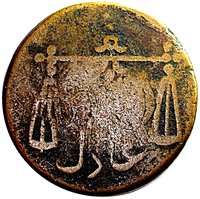
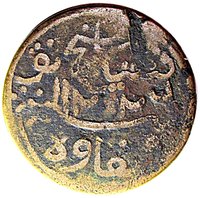
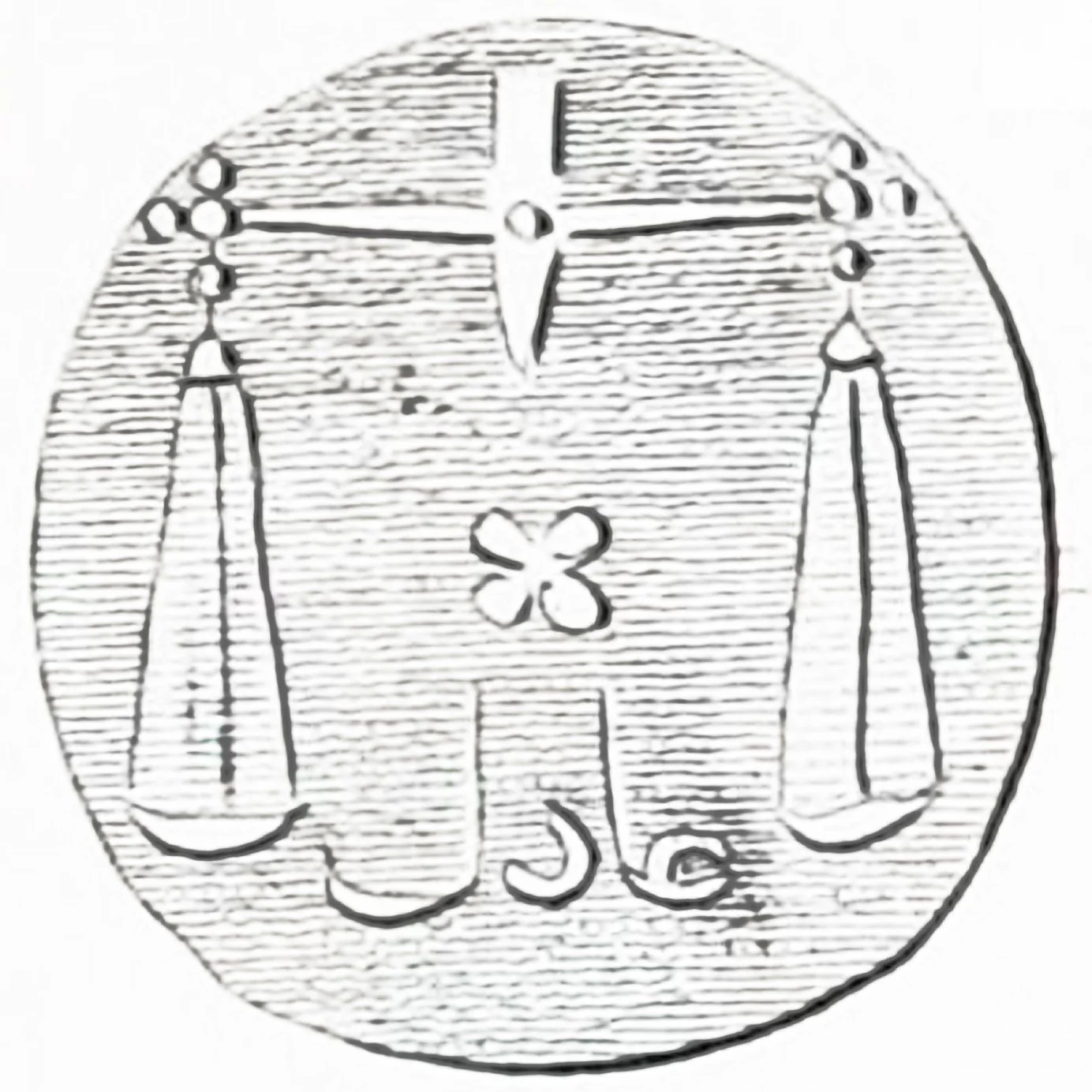
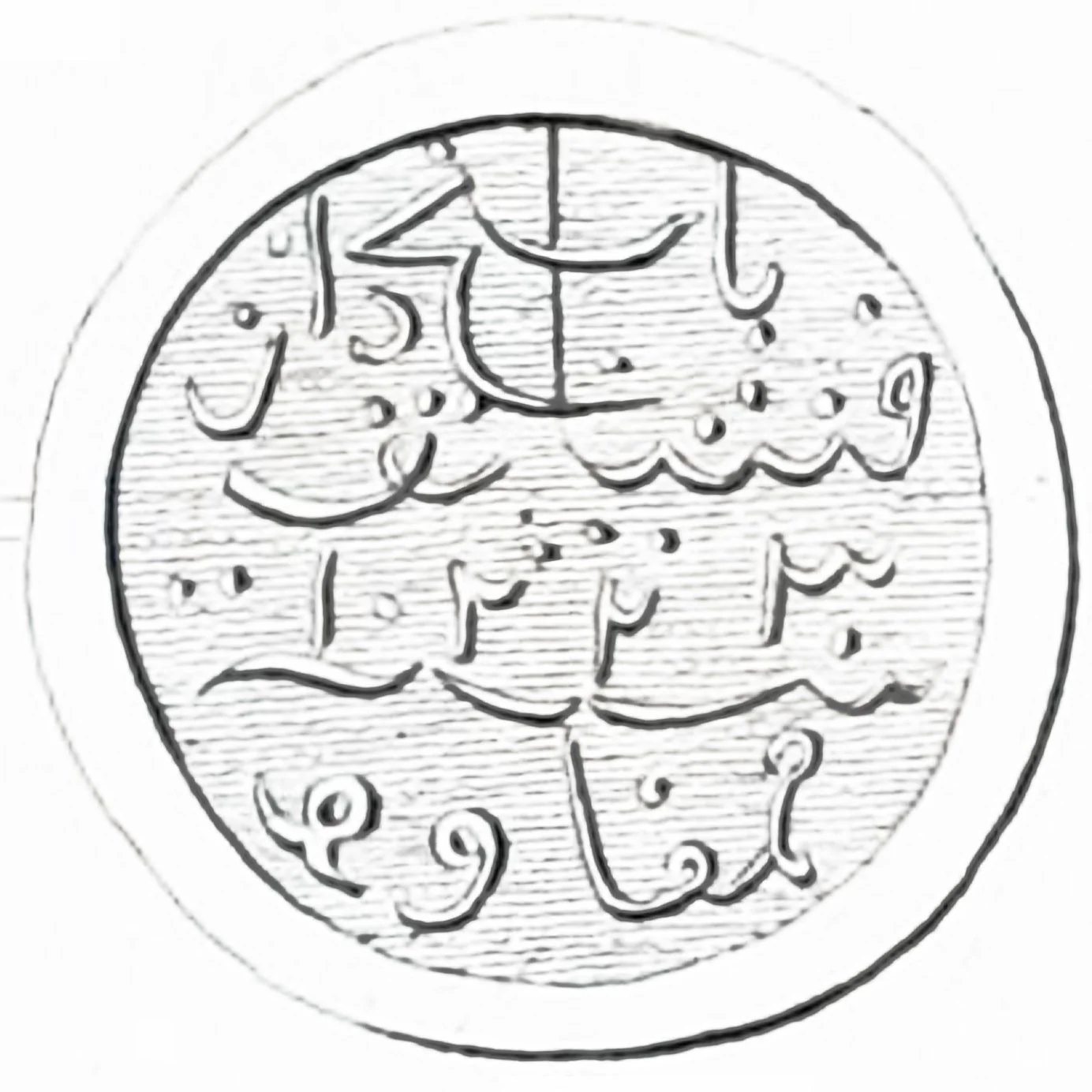
prahu, and increasingly, European vessels. Consequently, the marketplace saw a circulation of diverse coins: Spanish silver dollars (reales or "ringgit"), Dutch guilders, Chinese copper cash (picis), and local gold dust and tin coins. The Spanish dollar, valued for its consistent silver content, served as the primary benchmark for larger transactions and international trade.
The political landscape of that year was particularly volatile, directly impacting the monetary system. Pontianak was a vassal under the Dutch East India Company (VOC), which had collapsed in 1799, leaving its successor, the Dutch Batavian Republic, in a weakened state. In 1808, the aggressive Marshal Herman Willem Daendels arrived as Governor-General of the Dutch East Indies, seeking to reassert control and centralize administration. His policies, including demands for greater revenue and military support from vassals like Pontianak, placed financial strain on the Sultanate and likely disrupted established economic patterns and currency flows.
Therefore, the currency situation was one of pragmatic pluralism under pressure. Sultan Syarif Kasim (reigned 1808-1819) had to manage a local economy reliant on an assortment of foreign and indigenous currencies while navigating the new and demanding fiscal impositions of Daendels' regime. This period marked a transition where traditional, fluid currency systems began facing the pressures of European colonial monetary consolidation, though a standardized coinage for Pontianak itself would not be realized until much later in the 19th century.