

1 qiran (Fat'h Ali reign) – Iran
Add to wishlist
Circulating commemorative coins
Commemoration: 30th anniversary of Fat'h Ali reign
Iran
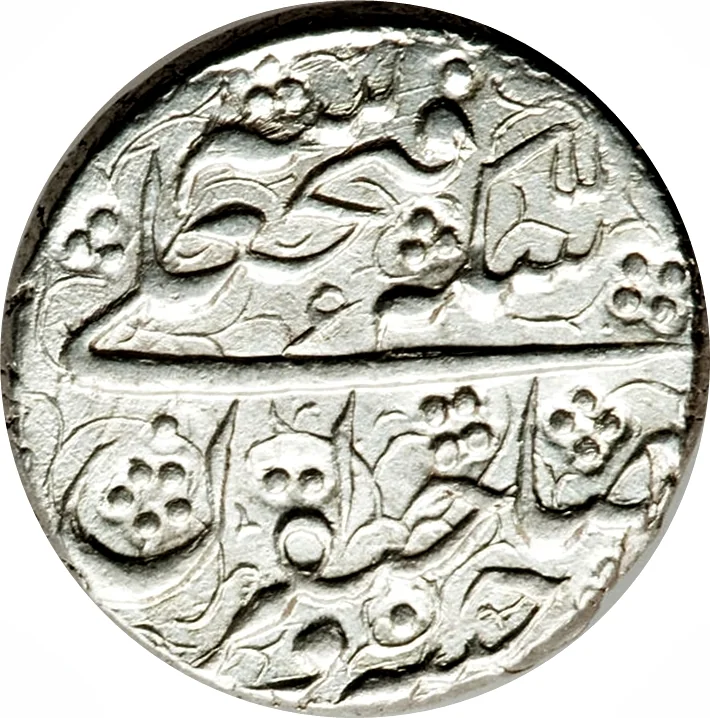
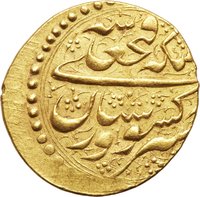
Obverse
Inscription:
سکّۀ فتحعلی شه خسرو صاحبقران
Translation:
Coin of Fath Ali Shah, Khusrau, Sahib Qiran.
Script: Persian (nastaliq)
Language: Persian
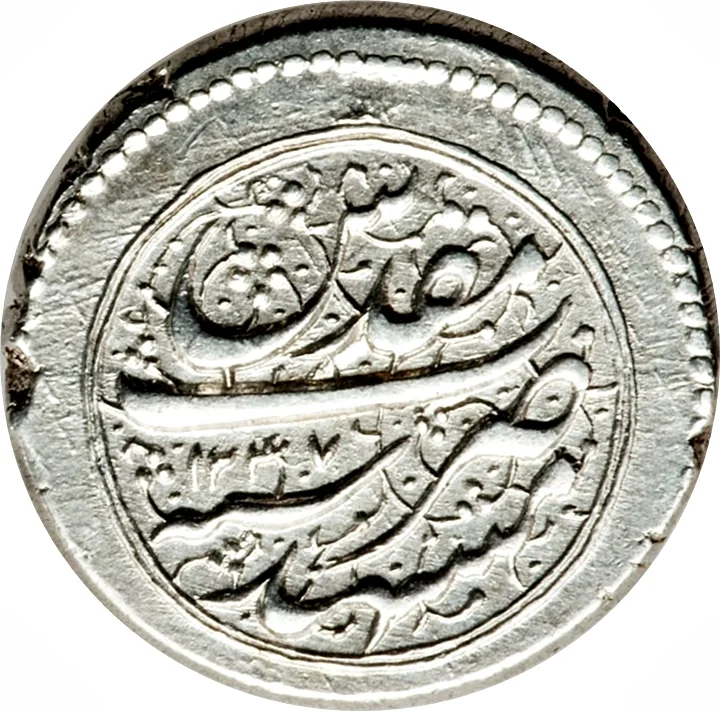
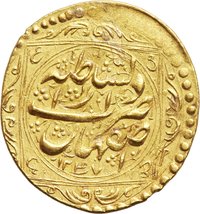
Reverse
Inscription:
ضرب مشهد مقدس
سنه ۱۲۴۷
سنه ۱۲۴۷
Translation:
Struck in the Holy Shrine of Mashhad
Year 1247
Year 1247
Script: Persian (nastaliq)
Language: Persian
Edge
Plain
Mintings
| Year | Mint Mark | Mintage | Quality | Collection |
|---|---|---|---|---|
| 1832 | — | — | ||
| 1833 | — | — | ||
| 1834 | — | — | ||
| 1835 | — | — |
Historical background
In 1832, Iran’s currency system was in a state of profound disarray, a legacy of earlier 19th-century crises. The Qajar dynasty, ruling a decentralized state with weak fiscal control, presided over a complex and debased monetary system. The primary unit was the silver qiran (also kran), but its value and silver content had been eroded through repeated devaluations to fund state expenses, particularly military campaigns and the extravagant court. Coins from earlier dynasties, as well as foreign currencies like the Russian ruble and British rupee, also circulated, creating a chaotic and unreliable marketplace.
This instability was exacerbated by a critical shortage of precious metals. Iran lacked substantial silver mines, and its chronic trade deficit, especially with British India, caused a continuous drain of silver bullion out of the country. The government’s response—striking copper pulis and heavily debased silver coins—only fueled inflation and further undermined public trust. The result was a multi-tiered system where the value of coins depended not only on their official stamp but also on their weight, age, and physical condition, making even simple transactions fraught with complexity and negotiation.
The monetary chaos of 1832 was more than a financial inconvenience; it was a significant drag on the economy and a symbol of state weakness. It hindered domestic trade, complicated taxation, and made Iran vulnerable to external economic pressures, particularly from the expanding commercial interests of the British and Russian empires. This fragmented and depreciating currency would remain a persistent problem for the Qajar state, setting the stage for later, though ultimately unsuccessful, attempts at monetary reform later in the century.
This instability was exacerbated by a critical shortage of precious metals. Iran lacked substantial silver mines, and its chronic trade deficit, especially with British India, caused a continuous drain of silver bullion out of the country. The government’s response—striking copper pulis and heavily debased silver coins—only fueled inflation and further undermined public trust. The result was a multi-tiered system where the value of coins depended not only on their official stamp but also on their weight, age, and physical condition, making even simple transactions fraught with complexity and negotiation.
The monetary chaos of 1832 was more than a financial inconvenience; it was a significant drag on the economy and a symbol of state weakness. It hindered domestic trade, complicated taxation, and made Iran vulnerable to external economic pressures, particularly from the expanding commercial interests of the British and Russian empires. This fragmented and depreciating currency would remain a persistent problem for the Qajar state, setting the stage for later, though ultimately unsuccessful, attempts at monetary reform later in the century.
✨ Legendary