

200 dinars – Iran
Add to wishlist
Iran
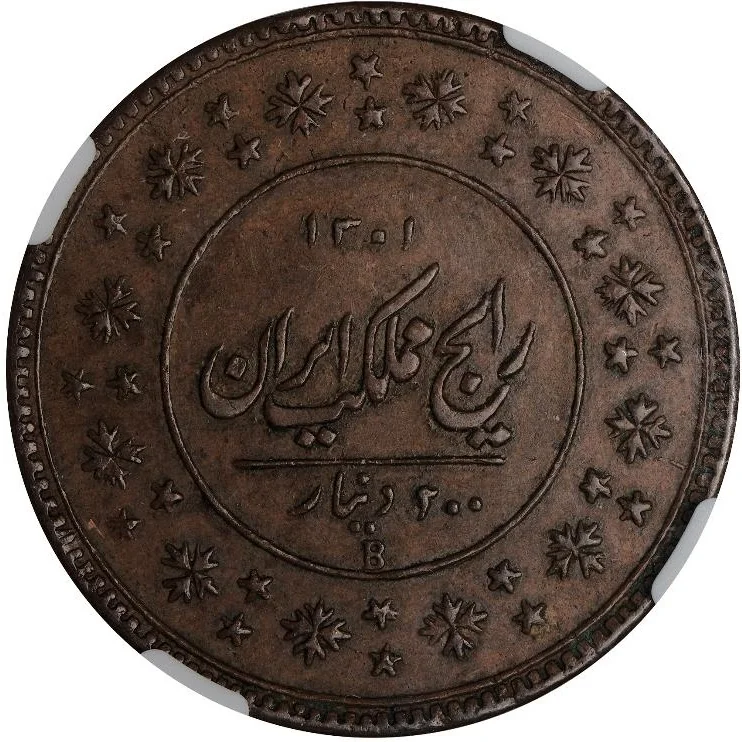
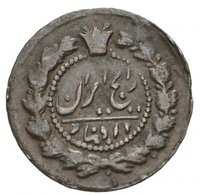
Obverse
Inscription:
۱۳۰۱
رایج مملکت ایران
۲۰۰دینار
B
رایج مملکت ایران
۲۰۰دینار
B
Translation:
1301
Current in the Kingdom of Iran
200 Dinar
Current in the Kingdom of Iran
200 Dinar
Languages: Arabic Numerals, Persian
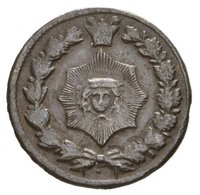
Engraver: F. Pechan
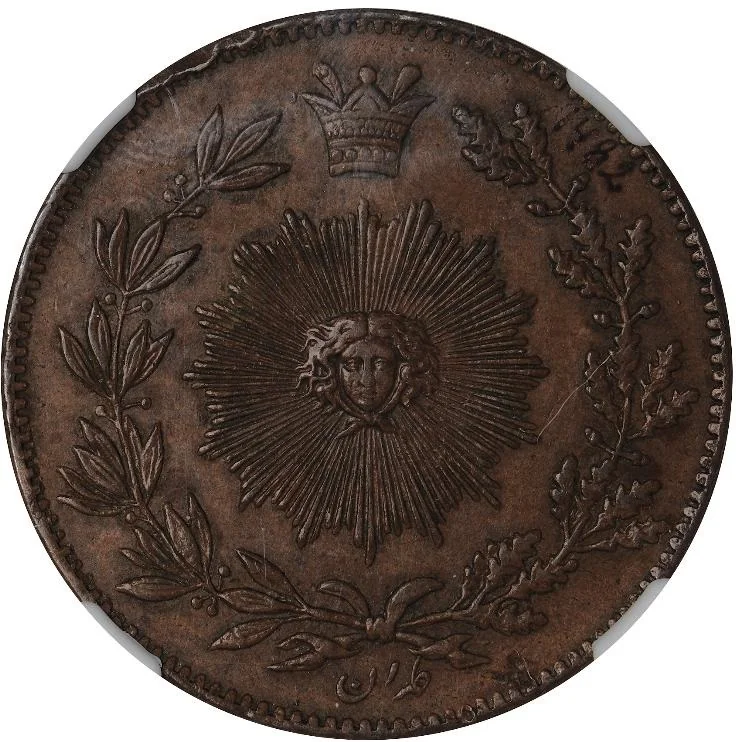
Edge
Mintings
| Year | Mint Mark | Mintage | Quality | Collection |
|---|---|---|---|---|
| 1883 | — | — | ||
| 1884 | — | — |
Historical background
In 1883, Iran’s monetary system was in a state of profound disarray, characterized by a chaotic mix of domestic and foreign coinage. The primary unit, the silver qiran (also spelled kran), was heavily debased, with its silver content having significantly declined over decades. This was compounded by the simultaneous circulation of copper shahis and puls for small transactions, and gold tomans (a unit of account equal to 10 qirans). Crucially, there was no standardized national coinage; various provincial mints produced coins of differing weight and purity, while vast quantities of foreign silver coins—especially Russian rubles, British Indian rupees, and Ottoman coins—circulated freely, further destabilizing the domestic currency.
This monetary chaos was a direct symptom of broader Qajar state weakness. The government, facing chronic budget deficits and indebted to foreign powers, had resorted to debasement—reducing the silver in coins—as a short-term revenue measure. Furthermore, the absence of a central bank or unified minting authority meant the state had little control over the money supply. The situation was exploited by money changers (sarrafs) who dominated the financial bazaars, manipulating exchange rates and facilitating the flow of foreign currency, often at the expense of both the state and the public.
The consequences for the economy were severe. The unpredictability of coin values stifled domestic trade and complicated tax collection, as revenues collected in debased coinage lost value. It also placed Iran at a severe disadvantage in foreign trade, as merchants had to navigate a complex and volatile exchange landscape. This monetary anarchy in 1883 highlighted Iran’s integration into the global economy on deeply unequal terms and underscored the pressing, yet unmet, need for comprehensive financial reform, which would not begin in earnest until the early 20th century.
This monetary chaos was a direct symptom of broader Qajar state weakness. The government, facing chronic budget deficits and indebted to foreign powers, had resorted to debasement—reducing the silver in coins—as a short-term revenue measure. Furthermore, the absence of a central bank or unified minting authority meant the state had little control over the money supply. The situation was exploited by money changers (sarrafs) who dominated the financial bazaars, manipulating exchange rates and facilitating the flow of foreign currency, often at the expense of both the state and the public.
The consequences for the economy were severe. The unpredictability of coin values stifled domestic trade and complicated tax collection, as revenues collected in debased coinage lost value. It also placed Iran at a severe disadvantage in foreign trade, as merchants had to navigate a complex and volatile exchange landscape. This monetary anarchy in 1883 highlighted Iran’s integration into the global economy on deeply unequal terms and underscored the pressing, yet unmet, need for comprehensive financial reform, which would not begin in earnest until the early 20th century.
💎 Extremely Rare