

6 cruzados – Mozambique
Add to wishlist
Mozambique
Context
Material
Weight: 28.5 g
Silver Weight:: 18.98 g
Thickness: 4.5 mm
Shape: Irregular rectangular
Composition: 66.6% Silver
Magnetic: No
References
KM: #
Numista: #56981
Value
Bullion value: $48.50
Obverse
Description:
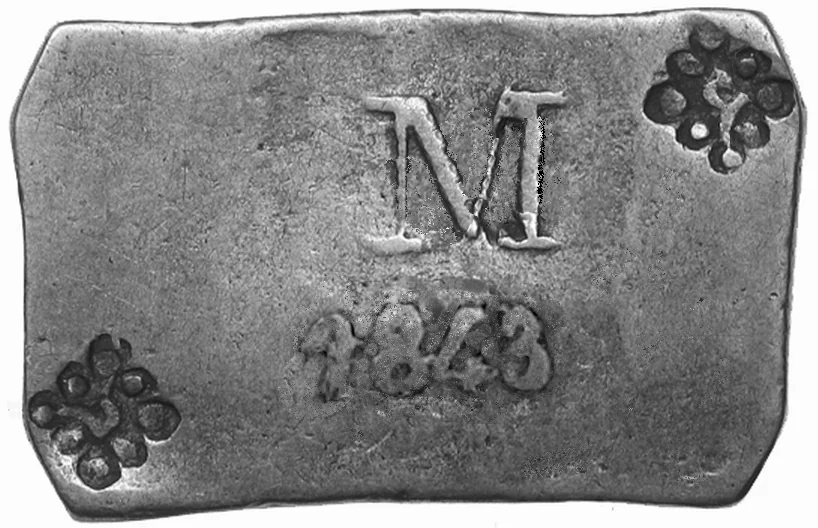
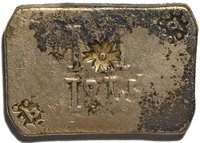
M (Queen Maria) above date. Two stars in opposite corners.
Inscription:
M *
* 1843
* 1843
Script: Latin
Reverse
Description:
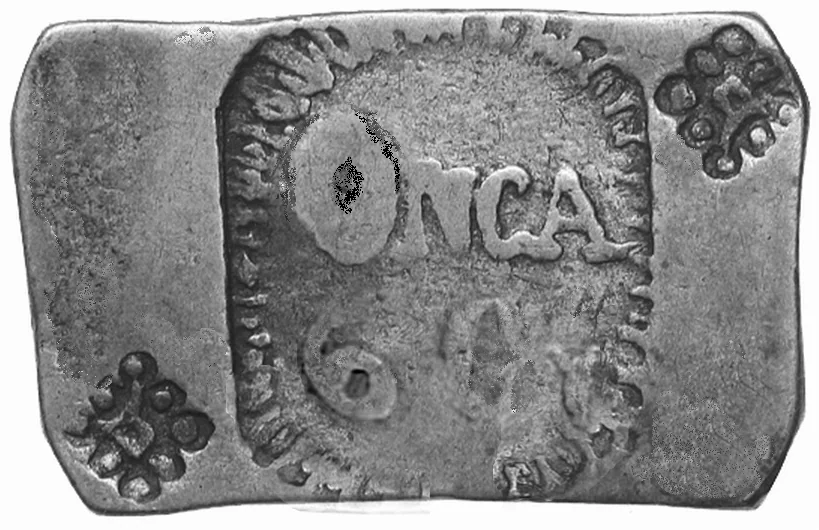
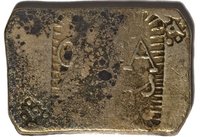
ONÇ 6 Cr inside a dashed square with stars in opposite corners.
Inscription:
ONÇA *
* 6 Cr
* 6 Cr
Translation:
Ounce * * 6 Crusados
Script: Latin
Language: Portuguese
Edge
Mintings
| Year | Mint Mark | Mintage | Quality | Collection |
|---|---|---|---|---|
| 1843 | — | — | ||
| — | — | — | ||
| 1845 | — | — |
Historical background
In 1843, Mozambique was not a unified political or economic entity with a single currency. The territory was under Portuguese colonial influence, but this control was largely limited to a string of coastal prazo settlements and trading posts, particularly south of the Zambezi River. The interior remained under the control of independent African kingdoms and chieftaincies, such as the Gaza Empire. Consequently, there was no standardized monetary system across the region. Economic activity was dominated by the long-established Indian Ocean trade networks, with a mix of commodity currencies, foreign coinage, and barter facilitating exchange.
The primary "currency" in many areas, especially for internal and regional trade, was commodity money. Cloth, particularly Indian-made textiles, and beads were universally accepted mediums of exchange. More significantly, ivory was a high-value store of wealth and a key export commodity, often functioning as a de facto currency in larger transactions. Within the Portuguese sphere, the currency situation was complex and fragmented. The official Portuguese real was in circulation but competed with a plethora of other coins, including Spanish and Mexican silver dollars (pesos), British sovereigns, and Indian rupees, all brought by merchants involved in the slave, ivory, and later sugar trades.
This period marked a transitional phase just prior to major economic shifts. The 1840s saw a gradual, though not yet decisive, move away from the slave trade (officially abolished by Portugal in 1836 but continuing illicitly) towards a "legitimate" trade in commodities like ivory, sesame, and peanuts. This transition would eventually increase the demand for a more reliable and standardized currency. However, in 1843, the monetary landscape remained a patchwork, reflecting Mozambique's position as a periphery within both the Portuguese empire and the wider Indian Ocean economy, where multiple forms of value coexisted and circulated.
The primary "currency" in many areas, especially for internal and regional trade, was commodity money. Cloth, particularly Indian-made textiles, and beads were universally accepted mediums of exchange. More significantly, ivory was a high-value store of wealth and a key export commodity, often functioning as a de facto currency in larger transactions. Within the Portuguese sphere, the currency situation was complex and fragmented. The official Portuguese real was in circulation but competed with a plethora of other coins, including Spanish and Mexican silver dollars (pesos), British sovereigns, and Indian rupees, all brought by merchants involved in the slave, ivory, and later sugar trades.
This period marked a transitional phase just prior to major economic shifts. The 1840s saw a gradual, though not yet decisive, move away from the slave trade (officially abolished by Portugal in 1836 but continuing illicitly) towards a "legitimate" trade in commodities like ivory, sesame, and peanuts. This transition would eventually increase the demand for a more reliable and standardized currency. However, in 1843, the monetary landscape remained a patchwork, reflecting Mozambique's position as a periphery within both the Portuguese empire and the wider Indian Ocean economy, where multiple forms of value coexisted and circulated.
💎 Extremely Rare