

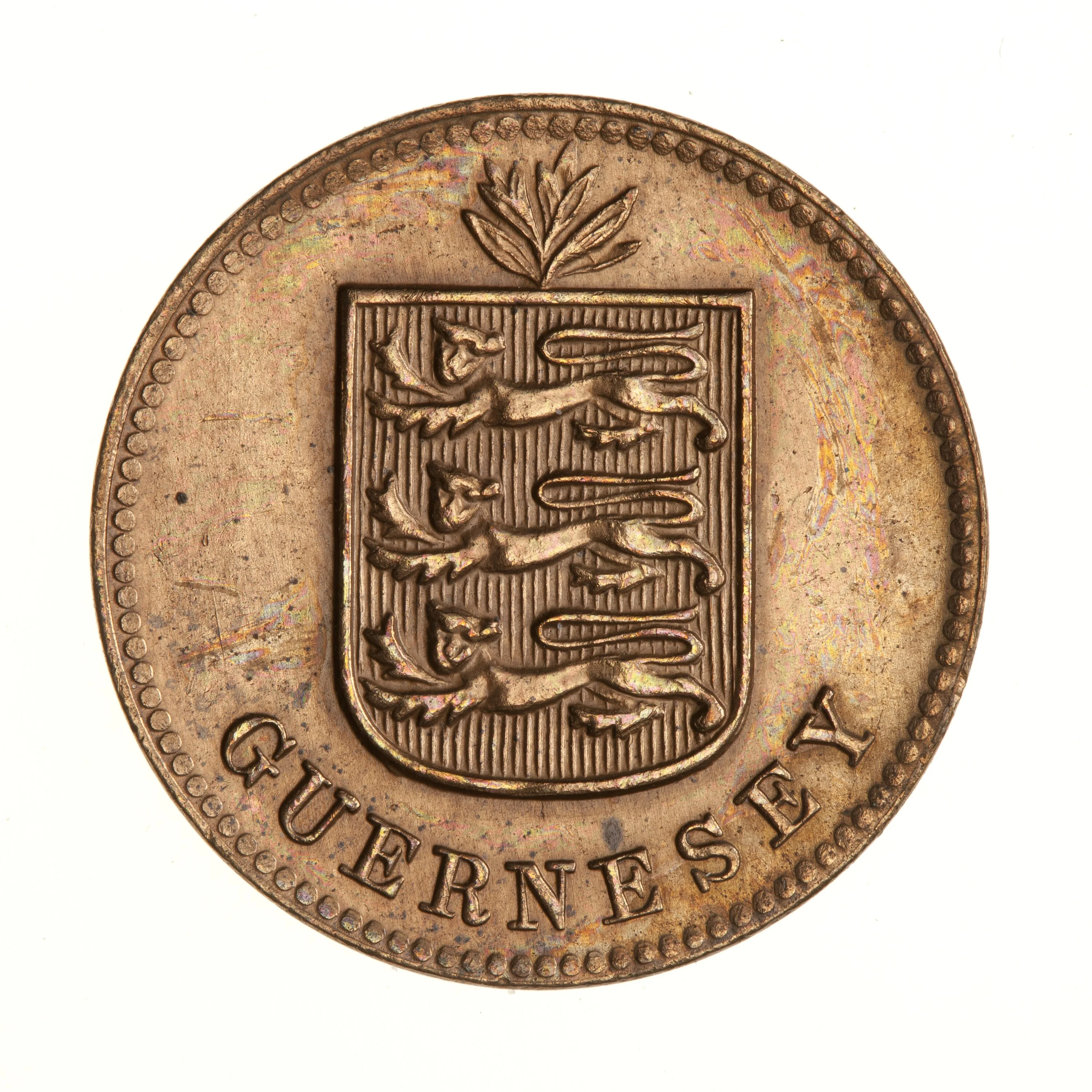
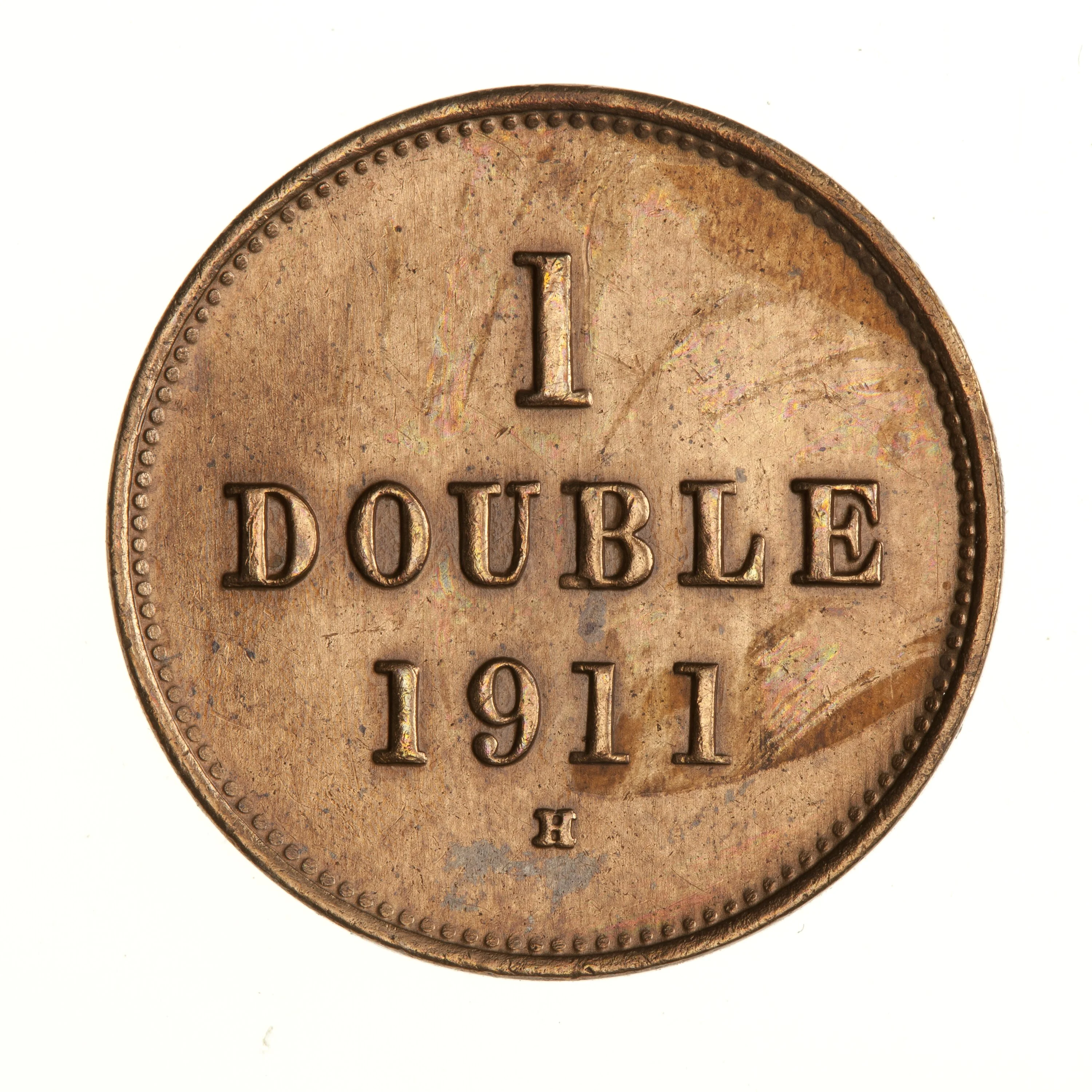
1 double – Guernsey
Add to wishlist
Context
Years: 1911–1938
Country: British Crown dependencies
Issuer: Guernsey
Ruler: George V
Currency:
(1808—1971)
Demonetized: Yes
Total mintage: 383,100
Material
References
KM: #
Numista: #5636
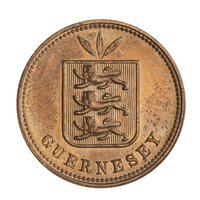
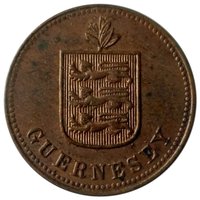
Obverse
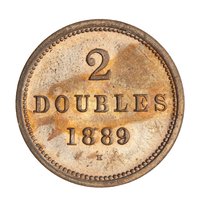
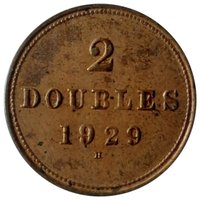
Reverse
Edge
Plain
Mints
| Name | Mark |
|---|---|
| Heaton and Sons / The Mint Birmingham | H |
Mintings
Historical background
In 1911, Guernsey's currency situation was a complex and locally managed system, distinct from the mainland United Kingdom. The island operated without a central bank and its official currency was British sterling, in the form of Bank of England notes and UK coinage. However, due to a chronic shortage of small change for everyday transactions, the States of Guernsey (the island's government) had long authorised the issuance of local, non-interest-bearing notes. These were not legal tender in the UK but were accepted and vital for the island's internal commerce.
The backbone of local circulation was the "States Note," first issued in the early 19th century. In 1911, these notes were issued in low denominations, primarily the 1-pound and 10-shilling notes, which filled the gap left by the scarcity of official British small-denomination paper money. Alongside these, several local commercial banks, such as the Guernsey Banking Company Limited and the Guernsey Commercial Banking Company, also issued their own private banknotes. This created a mixed system where UK coins, States Notes, and private banknotes all circulated simultaneously, with trust in the latter relying entirely on the reputation of the issuing institution.
This arrangement functioned effectively for the island's needs but highlighted Guernsey's unique constitutional position with its own fiscal autonomy. The system was inherently self-regulating and conservative, with the total value of local note issues carefully controlled by the States to maintain parity with sterling and prevent inflation. The year 1911 thus represents a point of stability within this long-standing tradition, a locally-tailored solution to a practical economic problem that would remain largely unchanged until the mid-20th century.
The backbone of local circulation was the "States Note," first issued in the early 19th century. In 1911, these notes were issued in low denominations, primarily the 1-pound and 10-shilling notes, which filled the gap left by the scarcity of official British small-denomination paper money. Alongside these, several local commercial banks, such as the Guernsey Banking Company Limited and the Guernsey Commercial Banking Company, also issued their own private banknotes. This created a mixed system where UK coins, States Notes, and private banknotes all circulated simultaneously, with trust in the latter relying entirely on the reputation of the issuing institution.
This arrangement functioned effectively for the island's needs but highlighted Guernsey's unique constitutional position with its own fiscal autonomy. The system was inherently self-regulating and conservative, with the total value of local note issues carefully controlled by the States to maintain parity with sterling and prevent inflation. The year 1911 thus represents a point of stability within this long-standing tradition, a locally-tailored solution to a practical economic problem that would remain largely unchanged until the mid-20th century.
🌱 Common