

1 duit – Java
Add to wishlist
Indonesia
Context
Years: 1808–1810
Country: Indonesia
Issuer: Java
Period:
(1806—1811)
Ruler: Louis Napoléon
Currency:
(1744—1818)
Demonetized: Yes
References
KM: #
Numista: #54688
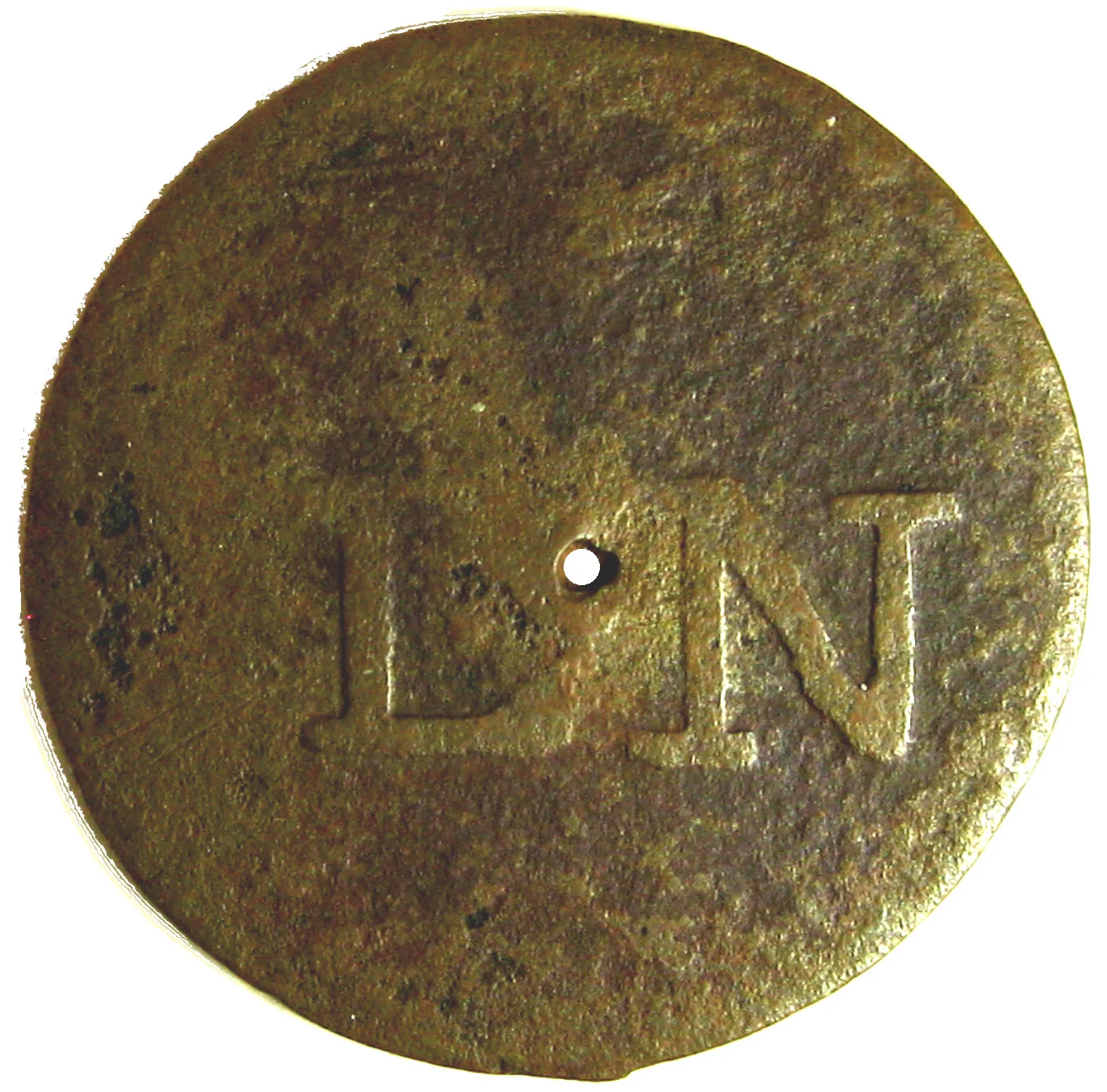
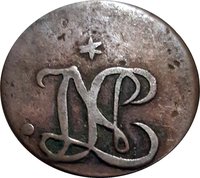
Obverse
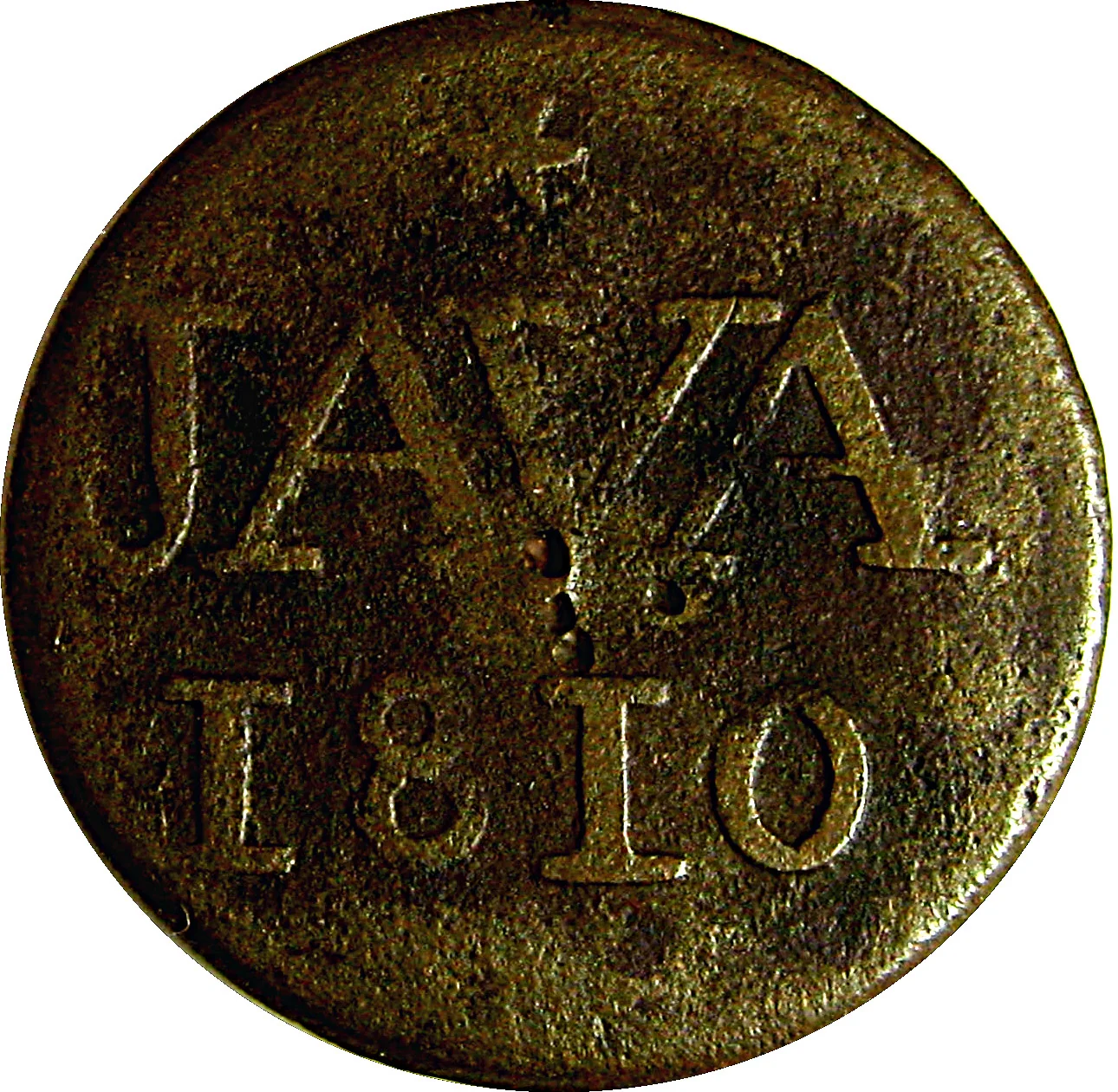
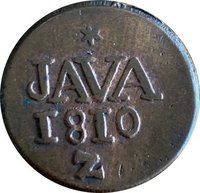
Reverse
Edge
Plain
Mintings
| Year | Mint Mark | Mintage | Quality | Collection |
|---|---|---|---|---|
| 1808 | — | — | ||
| 1809 | — | — | ||
| 1810 | — | — |
Historical background
In 1808, Java was under the administration of the Dutch East Indies government, which was itself a client state of the French Empire following the collapse of the Dutch Republic and the installation of King Louis Bonaparte. The global Napoleonic Wars had severely disrupted normal trade and financial flows, creating a complex and strained currency situation on the island. The official currency system was theoretically based on the Dutch guilder, but in practice, the circulating medium was a chaotic mixture of Spanish silver dollars (pieces of eight), Dutch ducats, Japanese copper kobans, and a plethora of local Chinese and Malay coins. This proliferation of coins of varying intrinsic value and provenance led to widespread confusion, arbitrage, and counterfeiting, hampering both government finance and commercial transactions.
The colonial government, led by Governor-General Herman Willem Daendels (appointed by Louis Bonaparte), faced acute financial difficulties, partly due to the British naval blockade which cut off subsidies from Europe. To fund his massive infrastructure projects, like the Great Post Road, and maintain his military forces, Daendels resorted to extreme fiscal measures that directly impacted the currency. Most notably, he issued paper credit notes, known as "Daendels' duiten," which were essentially compulsory IOUs. These notes were not backed by sufficient silver reserves and quickly depreciated, causing inflation and a loss of public confidence. Furthermore, he manipulated the official valuation of coins, often overvaluing the currency used to pay government expenses while demanding taxes in more reliable silver, effectively extracting wealth from the population.
Consequently, the currency situation in Java in 1808 was characterized by a severe shortage of trusted specie, an overabundance of depreciating paper promises, and a dysfunctional multi-coin system. This monetary instability reflected the broader political and economic vulnerability of the French-aligned administration. It created a precarious foundation for the colonial economy, exacerbating social discontent and leaving the financial system ill-prepared for the impending British invasion and takeover in 1811, which would introduce yet another layer of monetary complication to the island.
The colonial government, led by Governor-General Herman Willem Daendels (appointed by Louis Bonaparte), faced acute financial difficulties, partly due to the British naval blockade which cut off subsidies from Europe. To fund his massive infrastructure projects, like the Great Post Road, and maintain his military forces, Daendels resorted to extreme fiscal measures that directly impacted the currency. Most notably, he issued paper credit notes, known as "Daendels' duiten," which were essentially compulsory IOUs. These notes were not backed by sufficient silver reserves and quickly depreciated, causing inflation and a loss of public confidence. Furthermore, he manipulated the official valuation of coins, often overvaluing the currency used to pay government expenses while demanding taxes in more reliable silver, effectively extracting wealth from the population.
Consequently, the currency situation in Java in 1808 was characterized by a severe shortage of trusted specie, an overabundance of depreciating paper promises, and a dysfunctional multi-coin system. This monetary instability reflected the broader political and economic vulnerability of the French-aligned administration. It created a precarious foundation for the colonial economy, exacerbating social discontent and leaving the financial system ill-prepared for the impending British invasion and takeover in 1811, which would introduce yet another layer of monetary complication to the island.
🌟 Limited