

2½ Euro (João Villaret) – Portugal
Circulating commemorative coins
Commemoration: 100th anniversary of the birth of João Villaret
Portugal
Context
Material
Diameter: 28 mm
Weight: 10 g
Thickness: 2.05 mm
Shape: Round
Composition: Copper-nickel
Technique: Milled
Alignment: Medal alignment
flip
References
KM: #Click to copy to clipboard853
Numista: #51478
Value
Exchange value: 2.5 EUR = $2.95
Inflation-adjusted value: 3.01 EUR
Obverse
Description:
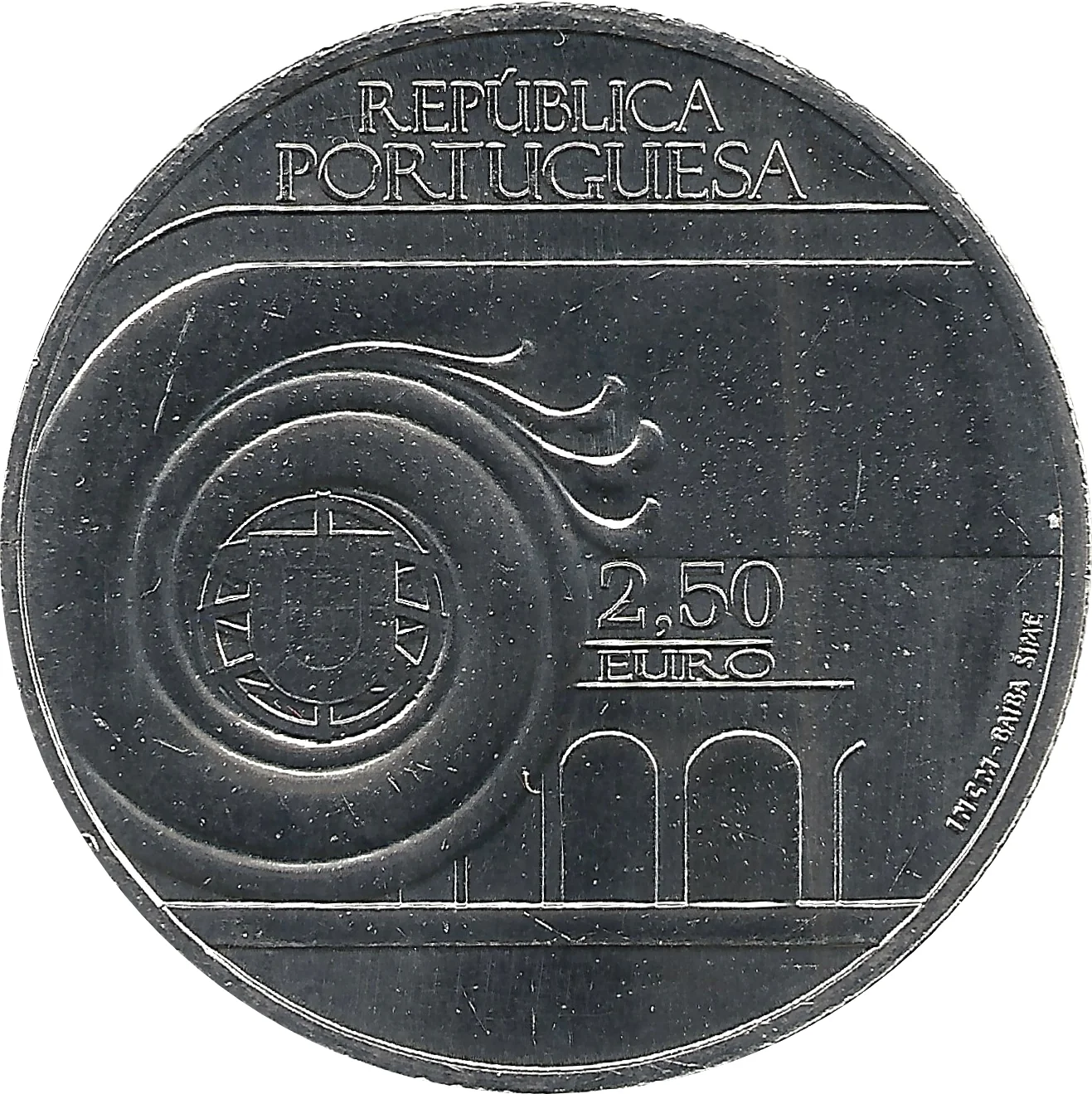
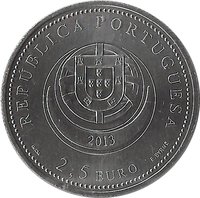
Portugal's coat of arms inside a snail, before old architectural arches.
Inscription:
REPÚBLICA
PORTUGUESA
2,50
EURO
INCM-BAIBA SIME
PORTUGUESA
2,50
EURO
INCM-BAIBA SIME
Translation:
PORTUGUESE
REPUBLIC
2.50
EURO
INCM-BAIXA SIME
REPUBLIC
2.50
EURO
INCM-BAIXA SIME
Script: Latin
Language: Portuguese
Engraver: Baiba Sime
Reverse
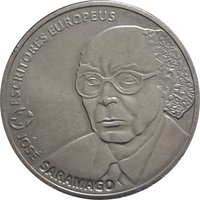
Description:
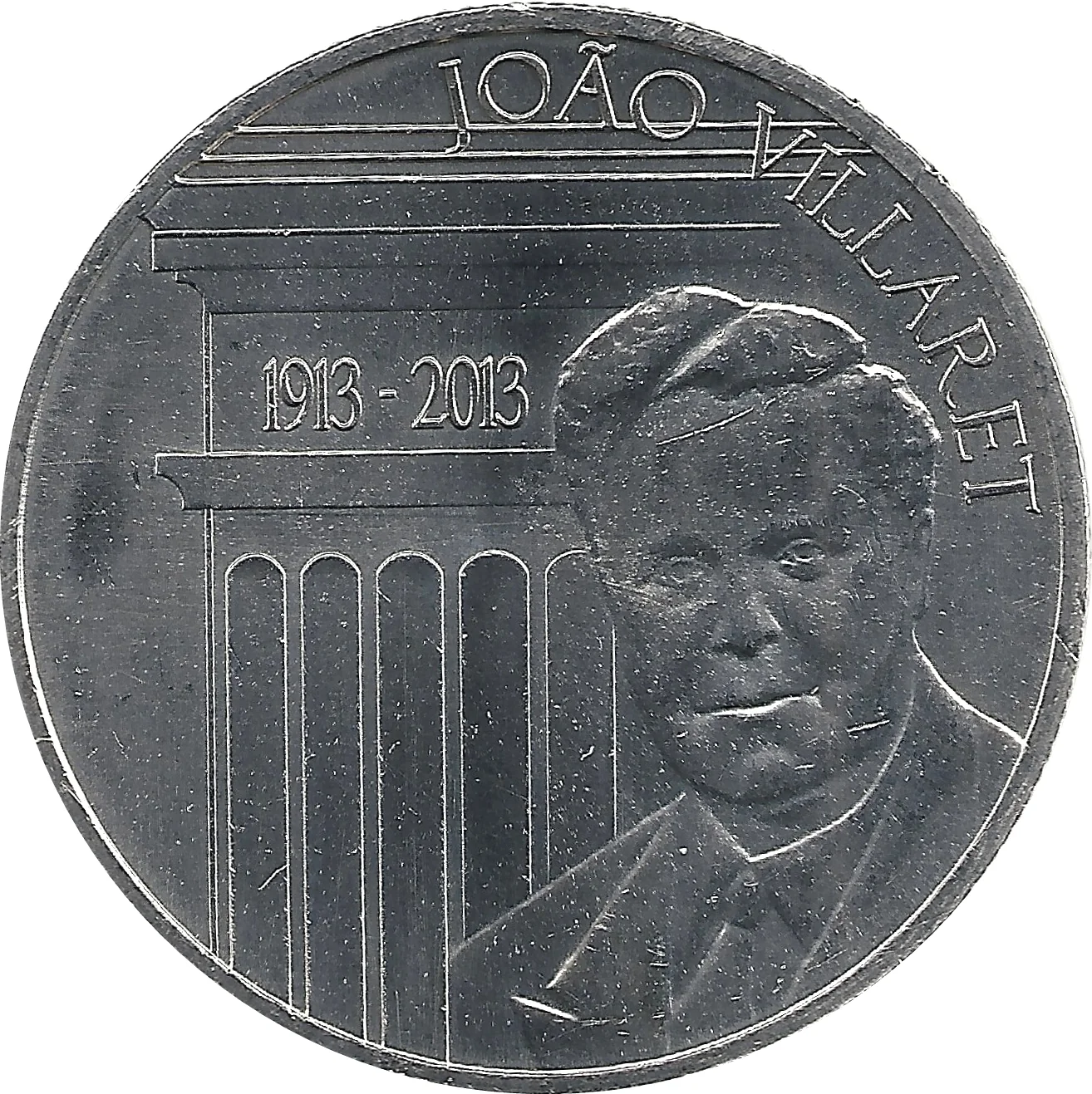
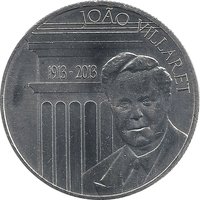
Portrait of actor João Henrique Pereira Villaret before an old building's column.
Inscription:
JOÃO VILLARET
1913 - 2013
1913 - 2013
Translation:
João Villaret
1913 - 2013
1913 - 2013
Script: Latin
Language: Portuguese
Engraver: Baiba Sime
Edge
Reeded
Mints
| Name | Mark |
|---|---|
| Imprensa Nacional - Casa da Moeda | INCM |
Mintings
| Year | Mint Mark | Mintage | Quality | Collection |
|---|---|---|---|---|
| 2013 | INCM | 51,175 |
Historical background
In 2013, Portugal was in the midst of a profound economic and financial crisis, operating under the constraints of the euro as its currency. The country was two years into a €78 billion international bailout program from the European Union, European Central Bank, and International Monetary Fund (the "Troika"), which was granted in 2011 to avert sovereign default. This bailout came with strict conditions of austerity, including deep spending cuts, tax increases, and structural reforms, which led to a severe recession, record-high unemployment exceeding 17%, and significant social hardship. The fixed exchange rate of the euro eliminated the traditional crisis response of currency devaluation, forcing all adjustment onto internal "devaluation" through falling wages and prices.
The currency situation was therefore defined by Portugal's lack of monetary sovereignty within the Eurozone. The European Central Bank (ECB) set interest rates for the entire bloc, which were often misaligned with Portugal's specific needs as a struggling periphery economy. While the euro provided stability and prevented a currency collapse, it also locked Portugal into a high-exchange-rate regime, making its exports less competitive and exacerbating its debt burden. There was no serious political movement to abandon the euro, as the costs of exit were deemed catastrophic, but the crisis fueled intense debate about the future of European monetary union and the need for greater fiscal integration or shared risk mechanisms.
By 2013, the currency framework was a double-edged sword. The euro's stability prevented a banking collapse and capital flight, but the inability to devalue or set independent monetary policy prolonged the recessionary adjustment. The year culminated in a political crisis that nearly derailed the bailout program, but stability was maintained. Ultimately, Portugal's commitment to the euro remained firm, and the year ended with the country preparing for a "clean exit" from its bailout program in mid-2014 without a precautionary credit line, a testament to its painful internal adjustment within the unyielding currency union.
The currency situation was therefore defined by Portugal's lack of monetary sovereignty within the Eurozone. The European Central Bank (ECB) set interest rates for the entire bloc, which were often misaligned with Portugal's specific needs as a struggling periphery economy. While the euro provided stability and prevented a currency collapse, it also locked Portugal into a high-exchange-rate regime, making its exports less competitive and exacerbating its debt burden. There was no serious political movement to abandon the euro, as the costs of exit were deemed catastrophic, but the crisis fueled intense debate about the future of European monetary union and the need for greater fiscal integration or shared risk mechanisms.
By 2013, the currency framework was a double-edged sword. The euro's stability prevented a banking collapse and capital flight, but the inability to devalue or set independent monetary policy prolonged the recessionary adjustment. The year culminated in a political crisis that nearly derailed the bailout program, but stability was maintained. Ultimately, Portugal's commitment to the euro remained firm, and the year ended with the country preparing for a "clean exit" from its bailout program in mid-2014 without a precautionary credit line, a testament to its painful internal adjustment within the unyielding currency union.
🌱 Common