

2 Euro (Swiss Guard) – Vatican City
Non-circulating coins
Commemoration: 500th Anniversary of the Swiss Guard
Vatican City
Context
Material
References
KM: #Click to copy to clipboard394
Numista: #5082
Value
Exchange value: 2 EUR = $2.36
Obverse
Description:
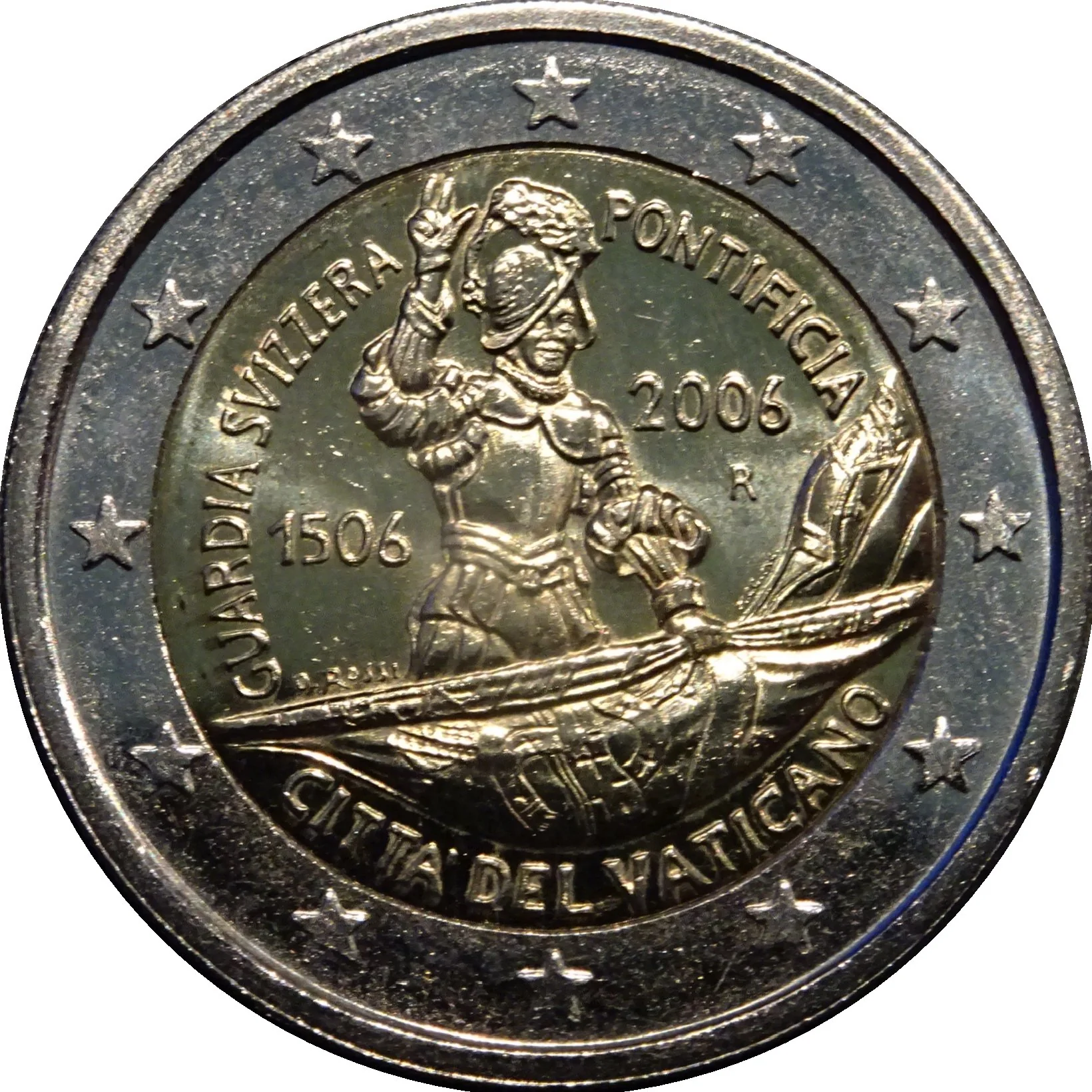
The coin depicts a Swiss Guard swearing loyalty to the Pope, encircled by the inscription ‘GUARDIA SVIZZERA PONTIFICIA’. Below the flag is ‘CITTÀ DEL VATICANO’. The dates ‘1506’ (left) and ‘2006’ (right) flank the design, with the engraver's name ‘O. ROSSI’ and mint mark ‘R’ respectively. The outer ring features the 12 EU stars.
Inscription:
GUARDIA SVIZZERA PONTIFICIA
CITTÀ DEL VATICANO
1506
O. ROSSI
2006
R
CITTÀ DEL VATICANO
1506
O. ROSSI
2006
R
Translation:
Pontifical Swiss Guard
Vatican City
1506
O. Rossi
2006
R
Vatican City
1506
O. Rossi
2006
R
Script: Latin
Language: Italian
Engraver: Orietta Rossi
Reverse
Edge
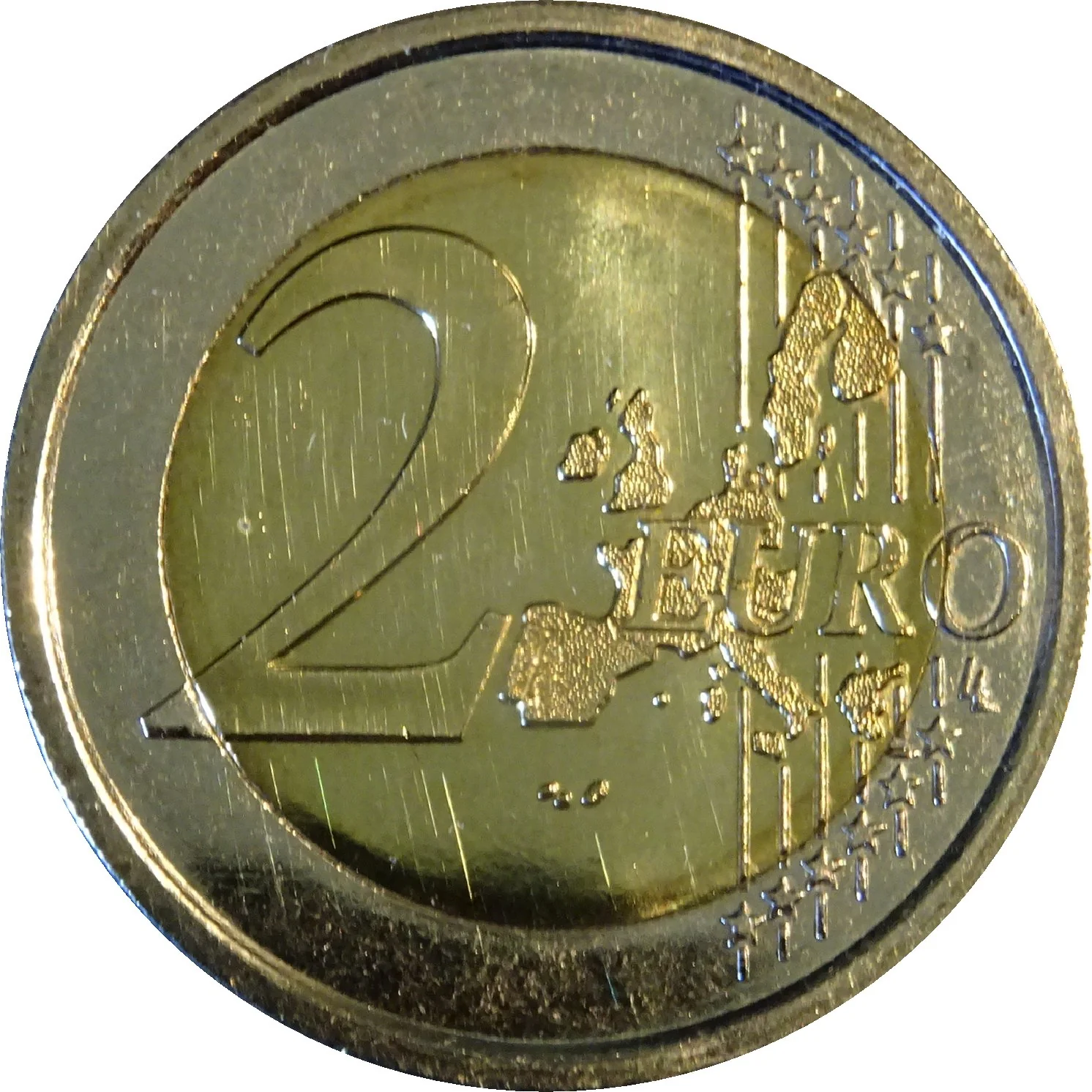
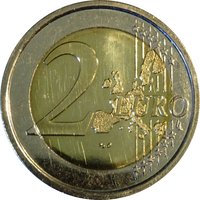
Finely ribbed with edge lettering: six times the sequence "2 * " alternately upright and inverted
Legend:
2 * 2 * 2 * 2 * 2 * 2 *
Categories
| Map |
Mints
| Name | Mark |
|---|---|
| Rome | R |
Mintings
| Year | Mint Mark | Mintage | Quality | Collection |
|---|---|---|---|---|
| 2006 | R | 100,000 |
Historical background
In 2006, Vatican City’s currency situation was defined by its unique status as a sovereign state within the Eurozone. Following the introduction of euro banknotes and coins in 2002, the Vatican, under a special monetary agreement with Italy (acting on behalf of the European Union), adopted the euro as its official currency. This agreement granted the Holy See the right to issue its own limited quantity of euro coins, a privilege crucial for its financial sovereignty and as a source of revenue for collectors. However, unlike other member states, it did not issue euro banknotes.
The year 2006 fell within the first series of Vatican euro coins, which featured the effigy of Pope John Paul II. These coins were highly sought after by numismatists worldwide, often selling for far above their face value. This collector premium provided a meaningful, non-tax source of income for the city-state’s operations. The situation was administratively managed by the Vatican’s Philatelic and Numismatic Office, which carefully controlled minting volumes to comply with EU-imposed ceilings, ensuring the coins were primarily for collection rather than general circulation.
This monetary arrangement was not without its underlying tensions. The European Commission and the European Central Bank maintained a cautious oversight of the Vatican’s issuance, concerned about potential for fraud or misuse given the territory's small size and unique international role. Furthermore, 2006 was a period of financial scrutiny for the Vatican more broadly, as it continued to work towards greater transparency and international compliance in its banking and financial practices, a process that would intensify in the coming years. Thus, the currency situation reflected both the benefits of integration and the ongoing challenges of aligning a unique theocratic state with modern European financial frameworks.
The year 2006 fell within the first series of Vatican euro coins, which featured the effigy of Pope John Paul II. These coins were highly sought after by numismatists worldwide, often selling for far above their face value. This collector premium provided a meaningful, non-tax source of income for the city-state’s operations. The situation was administratively managed by the Vatican’s Philatelic and Numismatic Office, which carefully controlled minting volumes to comply with EU-imposed ceilings, ensuring the coins were primarily for collection rather than general circulation.
This monetary arrangement was not without its underlying tensions. The European Commission and the European Central Bank maintained a cautious oversight of the Vatican’s issuance, concerned about potential for fraud or misuse given the territory's small size and unique international role. Furthermore, 2006 was a period of financial scrutiny for the Vatican more broadly, as it continued to work towards greater transparency and international compliance in its banking and financial practices, a process that would intensify in the coming years. Thus, the currency situation reflected both the benefits of integration and the ongoing challenges of aligning a unique theocratic state with modern European financial frameworks.
🌱 Fairly Common