

10 kreuzers – Austrian Empire
Add to wishlist
Austria
Context
Years: 1868–1872
Country: Austria
Issuer: Austrian Empire
Ruler: Francis Joseph I
Currency:
(1857—1892)
Demonetization: 31 December 1896
Total mintage: 143,441,916
Material
References
KM: #
Numista: #4962
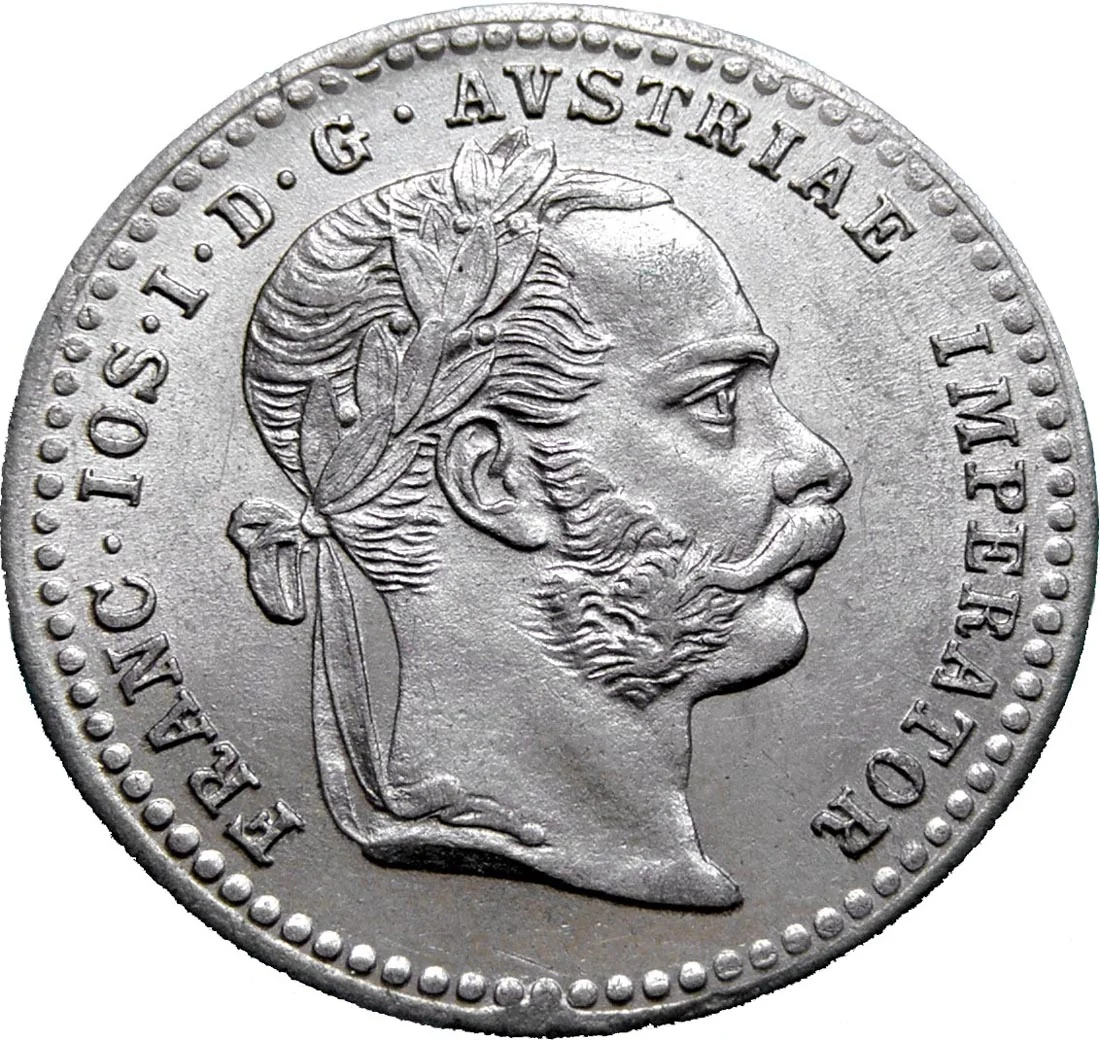
Obverse
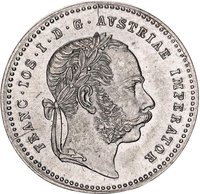
Description:
Laureate head right. Legend around (starts 8h).
Inscription:
FRANC· IOS· I· D· G· AVSTRIAE IMPERATOR
Translation:
FRANCIS I, BY THE GRACE OF GOD, EMPEROR OF AUSTRIA
Script: Latin
Language: Latin
Engraver: Josef Tautenhayn
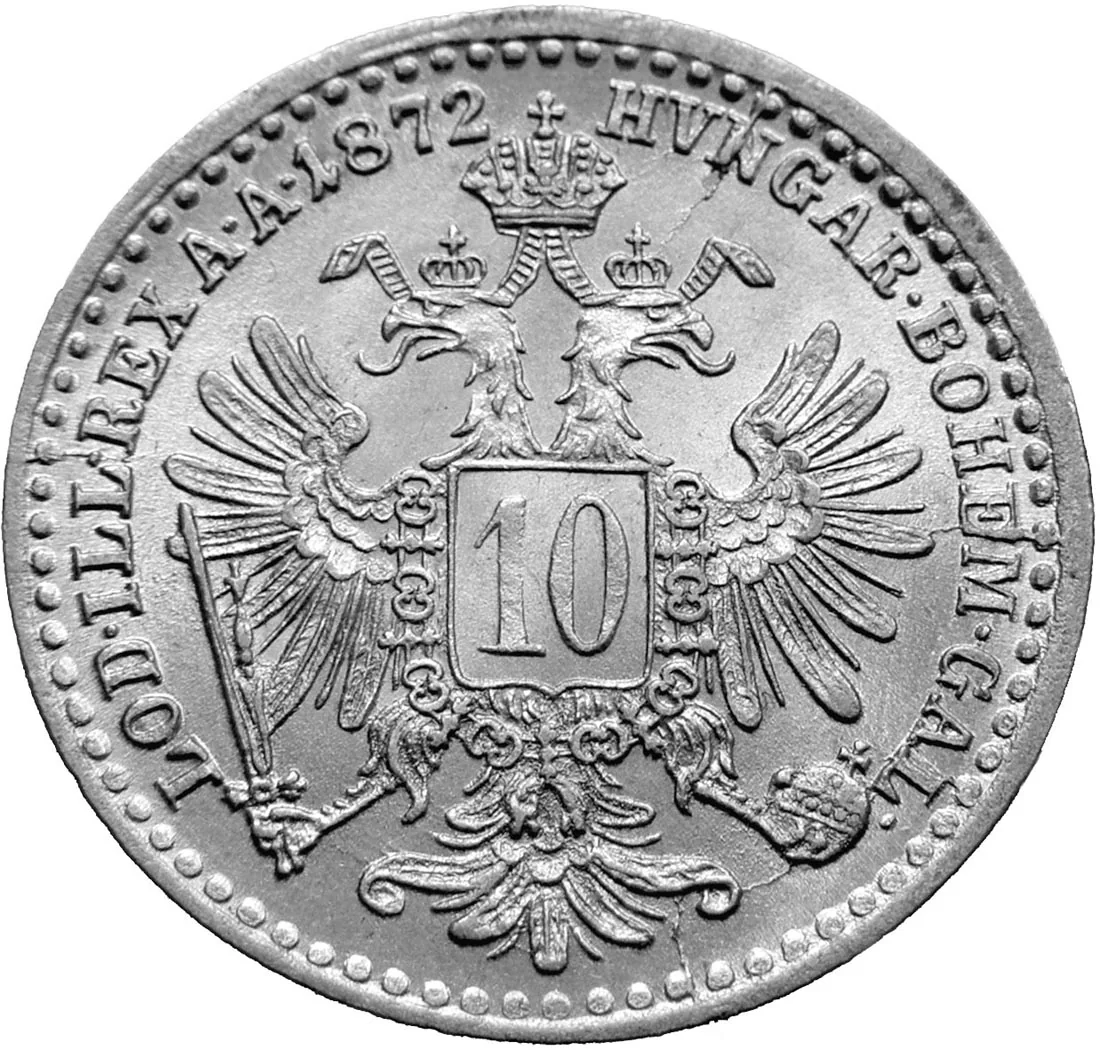
Reverse
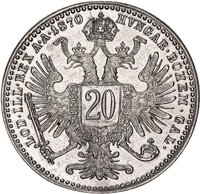
Description:
Double-headed imperial eagle, value on breast. Legend around (starting at 1 o'clock), date within legend.
Inscription:
HUNGAR·BOHEM·GAL·LOD·ILL·REX A·A· 1872
10
10
Translation:
Archking of Hungary, Bohemia, Galicia, Lodomeria, Illyria, etc. 1872
Script: Latin
Engraver: Franz Gaul
Edge
Plain
Mintings
| Year | Mint Mark | Mintage | Quality | Collection |
|---|---|---|---|---|
| 1868 | — | 11,681,680 | ||
| 1869 | — | 29,628,270 | ||
| 1870 | — | 34,878,309 | ||
| 1871 | — | 1,700,080 | ||
| 1872 | — | 65,553,577 |
Historical background
In 1868, the Austrian Empire was navigating a complex and transitional monetary landscape following its defeat in the Austro-Prussian War of 1866. The empire was a member of the Vereinsthaler monetary union with most German states, which had established a common silver standard. However, Austria's participation was unique; while it minted convention coins that aligned with the union, its domestic paper currency, the paper gulden, was not fully convertible into silver. This created a system of "agio," where silver coins traded at a premium over paper banknotes, reflecting a lack of confidence in the state's finances and a persistent budget deficit.
The government, led by Minister of Finance Rudolf Brestel, was actively pursuing monetary reform to stabilize the currency and modernize the economy. The key goal was to move from the silver-based gulden to a new gold standard currency, the krone, as outlined in the planned 1867 Austro-Hungarian Compromise postscripts. The year 1868 was a critical preparatory phase, involving negotiations with the Hungarian part of the newly formed Dual Monarchy and laying the legal groundwork for this shift. The State Debt Conversion Act of 1868 was a significant step, aiming to consolidate and manage the empire's substantial debt, which was a prerequisite for establishing a sound, convertible currency.
Thus, the currency situation in 1868 was one of duality and anticipation. The empire officially operated on a silver standard within a German union while practically relying on a depreciated paper gulden at home. Concurrently, it was legislating and planning for a future defined by a gold-based krone, seeking to achieve monetary stability, attract foreign investment, and align itself with the leading financial powers of Europe. This period represented the uneasy end of one monetary era and the fraught beginning of another.
The government, led by Minister of Finance Rudolf Brestel, was actively pursuing monetary reform to stabilize the currency and modernize the economy. The key goal was to move from the silver-based gulden to a new gold standard currency, the krone, as outlined in the planned 1867 Austro-Hungarian Compromise postscripts. The year 1868 was a critical preparatory phase, involving negotiations with the Hungarian part of the newly formed Dual Monarchy and laying the legal groundwork for this shift. The State Debt Conversion Act of 1868 was a significant step, aiming to consolidate and manage the empire's substantial debt, which was a prerequisite for establishing a sound, convertible currency.
Thus, the currency situation in 1868 was one of duality and anticipation. The empire officially operated on a silver standard within a German union while practically relying on a depreciated paper gulden at home. Concurrently, it was legislating and planning for a future defined by a gold-based krone, seeking to achieve monetary stability, attract foreign investment, and align itself with the leading financial powers of Europe. This period represented the uneasy end of one monetary era and the fraught beginning of another.
🌱 Very Common