Logo Title
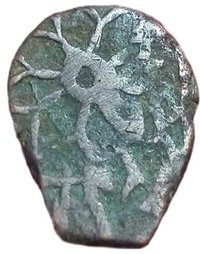
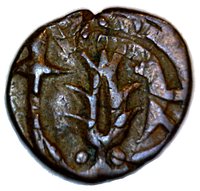
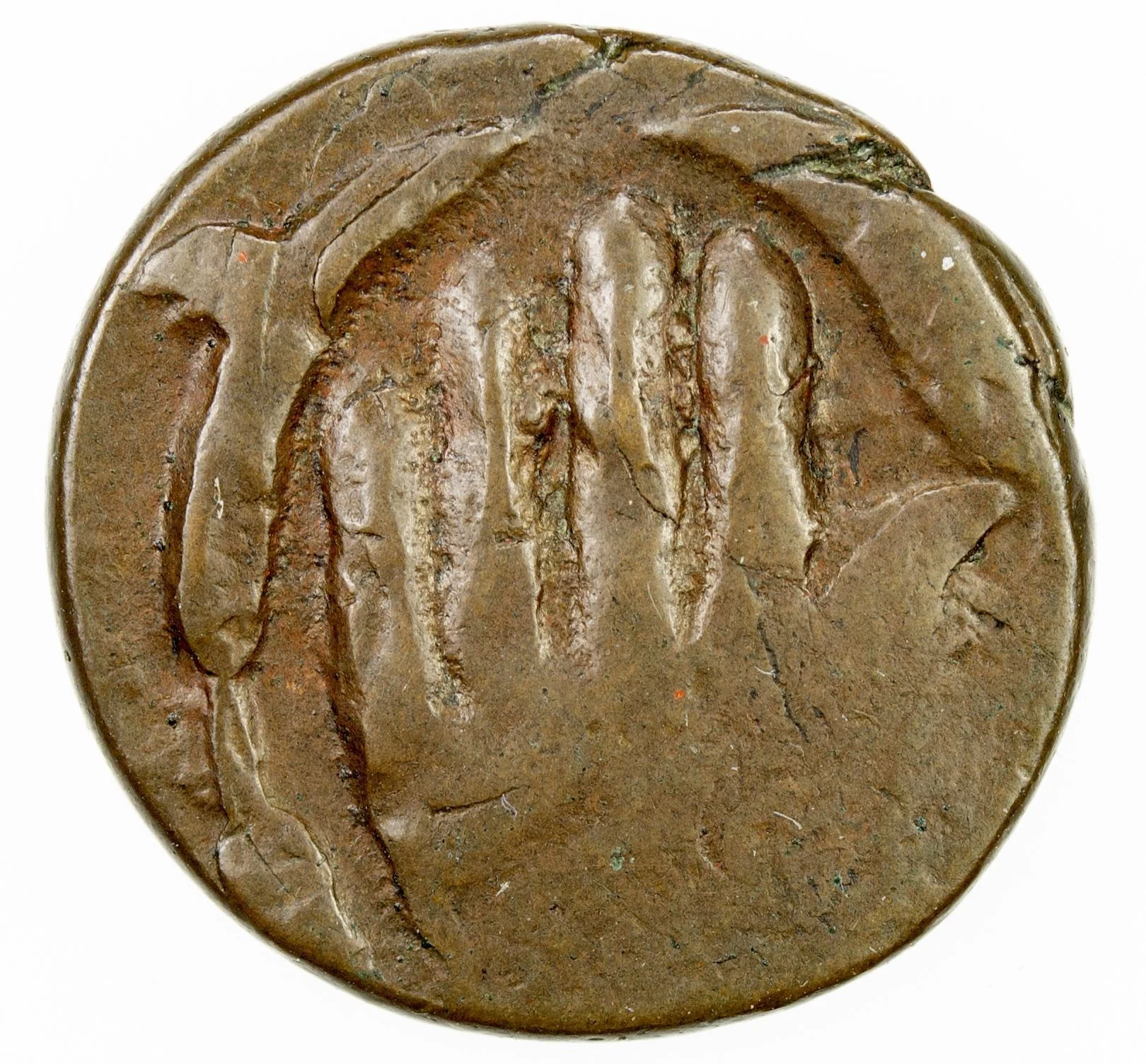
obverse
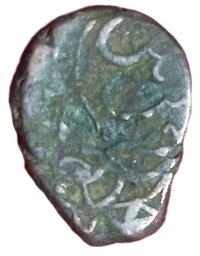
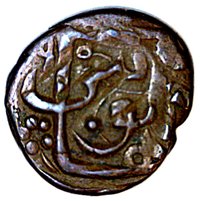
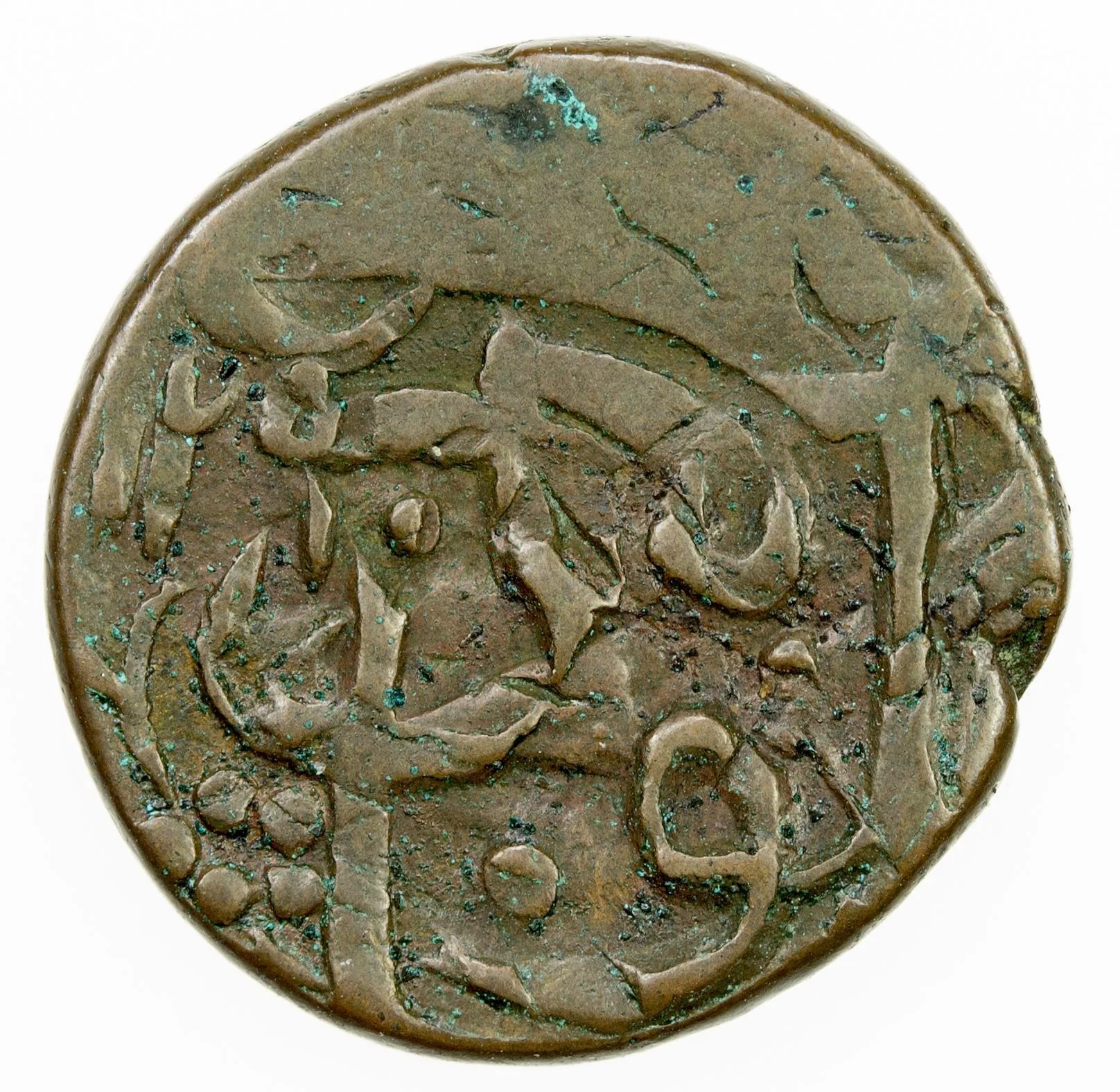
reverse
Stephen Album Rare Coins

1 Falus – City of Qandahar

Afghanistan
Context
Year: 1878
Islamic (Hijri) Year: 1295
Country: Afghanistan Country flag
Currency:
(1747—1891)
Demonetized: Yes
Material
Composition: Copper
Magnetic: No
Technique: Hammered
References
KM: #Click to copy to clipboard91
Numista: #473726

Obverse

Description:
Ali's open hand

Reverse

Inscription:
صرب فلوس قندهر

۱۲۹۵
Translation:
Strike coins in Qandahar

1295
Languages: Persian, Arabic

Edge

Categories

Animal> Feline

Mints

NameMark
Kandaharقندهر

Mintings

YearMint MarkMintageQualityCollection
1878

Historical background

In 1878, the city of Qandahar existed within a complex and transitional monetary landscape, caught between decaying indigenous systems and the imposition of imperial currencies. The primary medium of exchange was the Kabuli rupee, minted by the Afghan Amir Sher Ali Khan, but its circulation and value were unstable due to ongoing political turmoil, including the Second Anglo-Afghan War (1878-80). Alongside this, older Persian coins like the kran and toman, relics of Qandahar's historical ties to Iran, still circulated in bazaars, particularly for regional trade. The most trusted currency, however, was the British Indian rupee, often preferred for its reliable silver content and association with the economic power of the British Raj, whose influence was aggressively expanding toward the city.

This multi-currency environment created a chaotic marketplace where exchange rates fluctuated daily based on political rumors, the arrival of caravans, and the movements of armies. Money changers (sarrafs) held significant power, arbitrating between coins of varying weight, purity, and legitimacy. The city, a crucial hub on trade routes linking Persia, Central Asia, and India, saw a constant inflow and outflow of different specie, but confidence in any single currency was low. Sher Ali’s attempts at monetary reform were undermined by the costs of war and his own precarious hold on power, leaving a vacuum of financial authority.

The British military advance in late 1878, culminating in their capture of Qandahar in January 1879, began a forceful standardization. While the British initially circulated their own rupees to pay troops and secure supplies, they pragmatically allowed local currencies to persist for a time to avoid destabilizing the bazaar. Nevertheless, the year 1878 marked the beginning of the end for Qandahar’s autonomous monetary order, as the city became a focal point in the imperial struggle for Afghanistan, setting the stage for the increasing dominance of the British Indian rupee in the years immediately following.
Legendary